16 days
Specific Tour
16 people
___
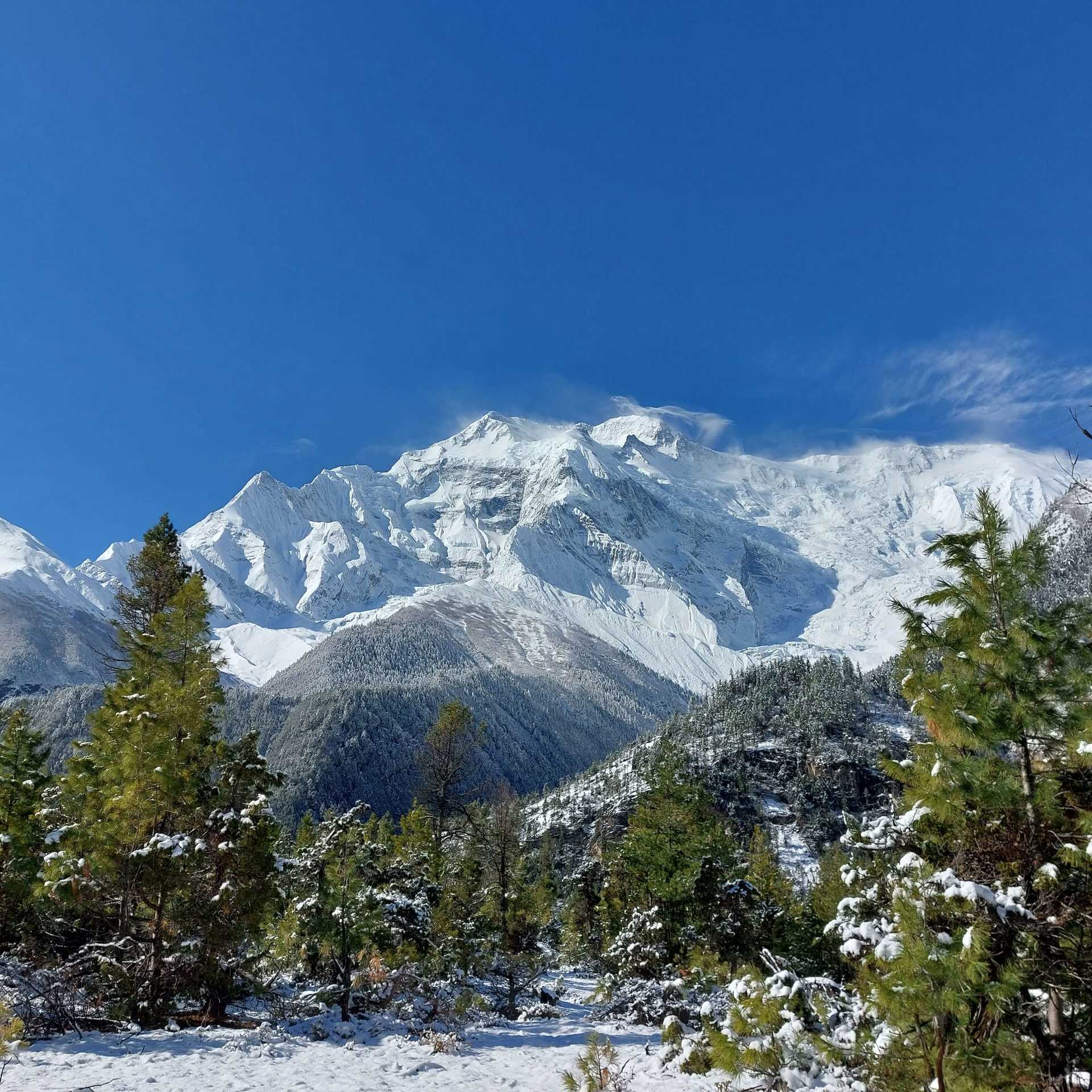
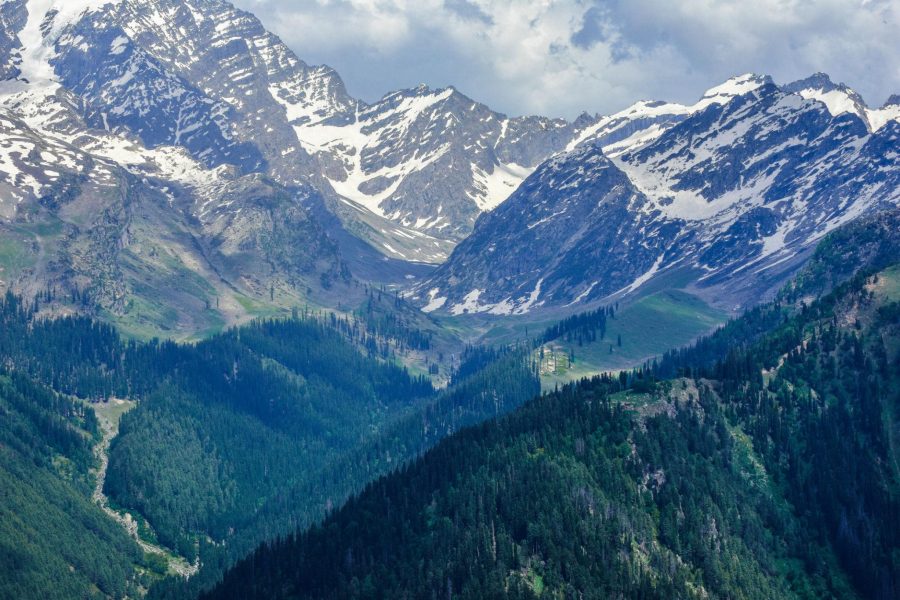
The Annapurna Circuit Trek is one of the most breathtaking treks set amidst the mountain landscapes of central Nepal. The total distance of the route varies between 160–230 km (100–145 mi), depending on the use of motor transportation and the chosen endpoint of the trek. This journey passes through two distinct river valleys and circles the magnificent Annapurna Massif. The trail reaches its highest elevation at the famous Thorong La Pass. Most trekkers prefer completing the circuit in an anticlockwise direction, as the gradual daily altitude gain makes crossing the high pass safer and comparatively easier.
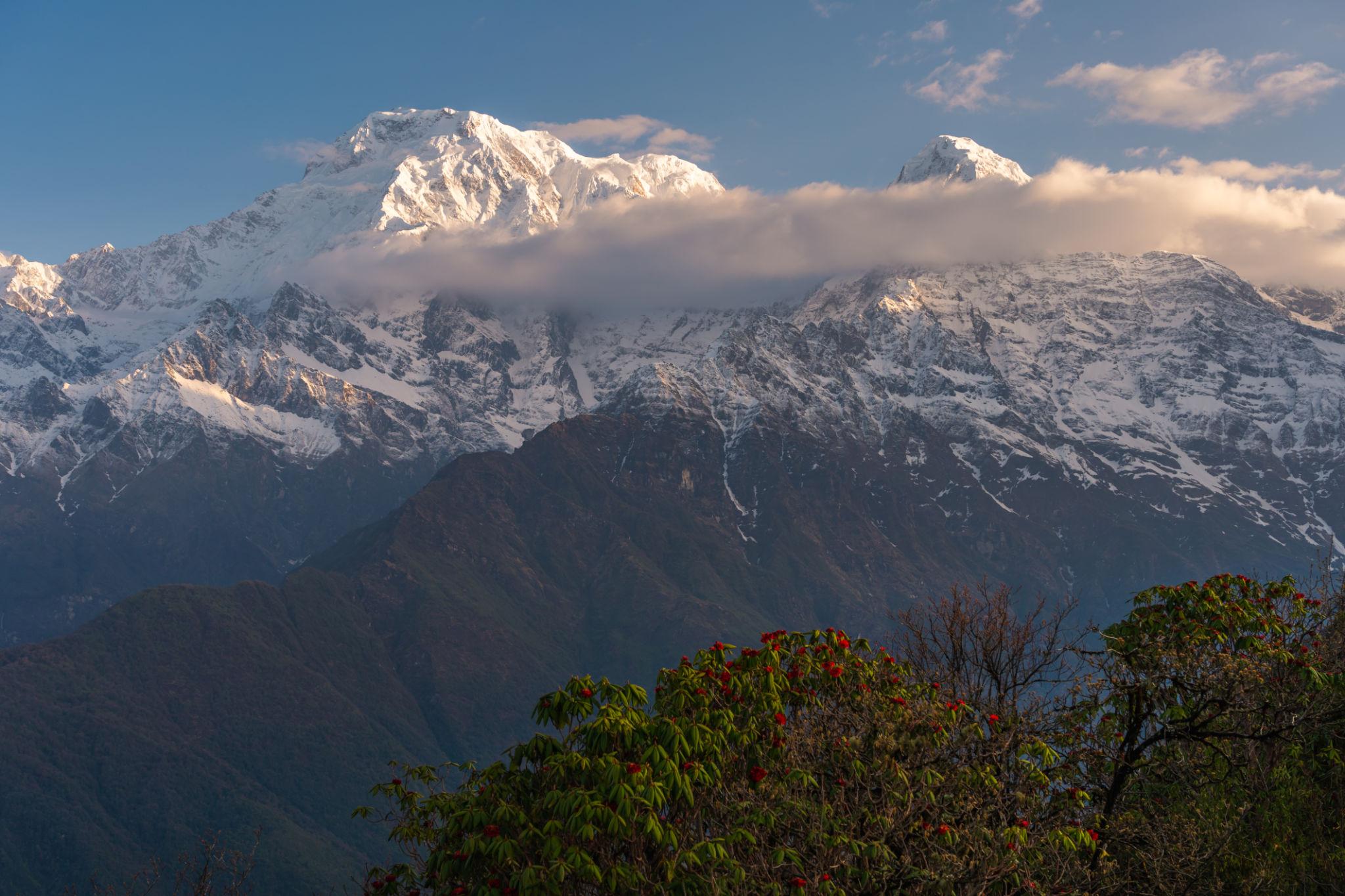
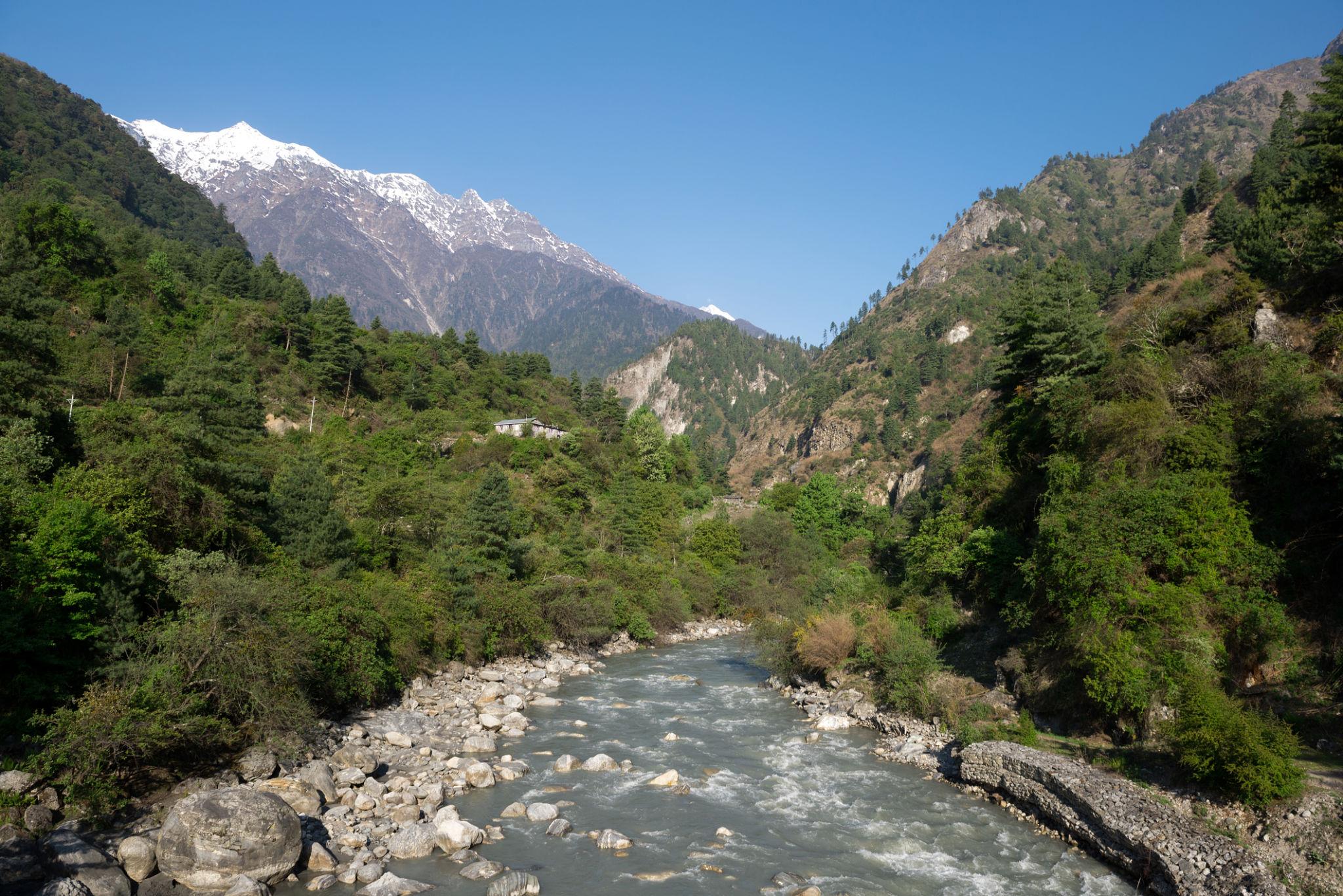
Apart from the classic Annapurna Circuit trek, the Annapurna Seven Passes Trek, also known as the Annapurna Seven Hills Trek, is another popular adventure in the region. However, it is less explored and takes travelers through more remote and offbeat trails. The surrounding mountain scenery includes the majestic Annapurna Massif (Annapurna I–IV), Dhaulagiri, Machhapuchhre, Manaslu, Gangapurna, Tilicho Peak, Pisang Peak, and Paungda Danda. Numerous towering peaks rise dramatically across the Annapurna range. The trek usually begins from Besisahar or Bhulbhule in the Marshyangdi River valley before descending into the Kali Gandaki Gorge. Along the route, trekkers pass lush paddy fields, subtropical forests, cascading waterfalls, massive cliffs, and charming Himalayan villages.
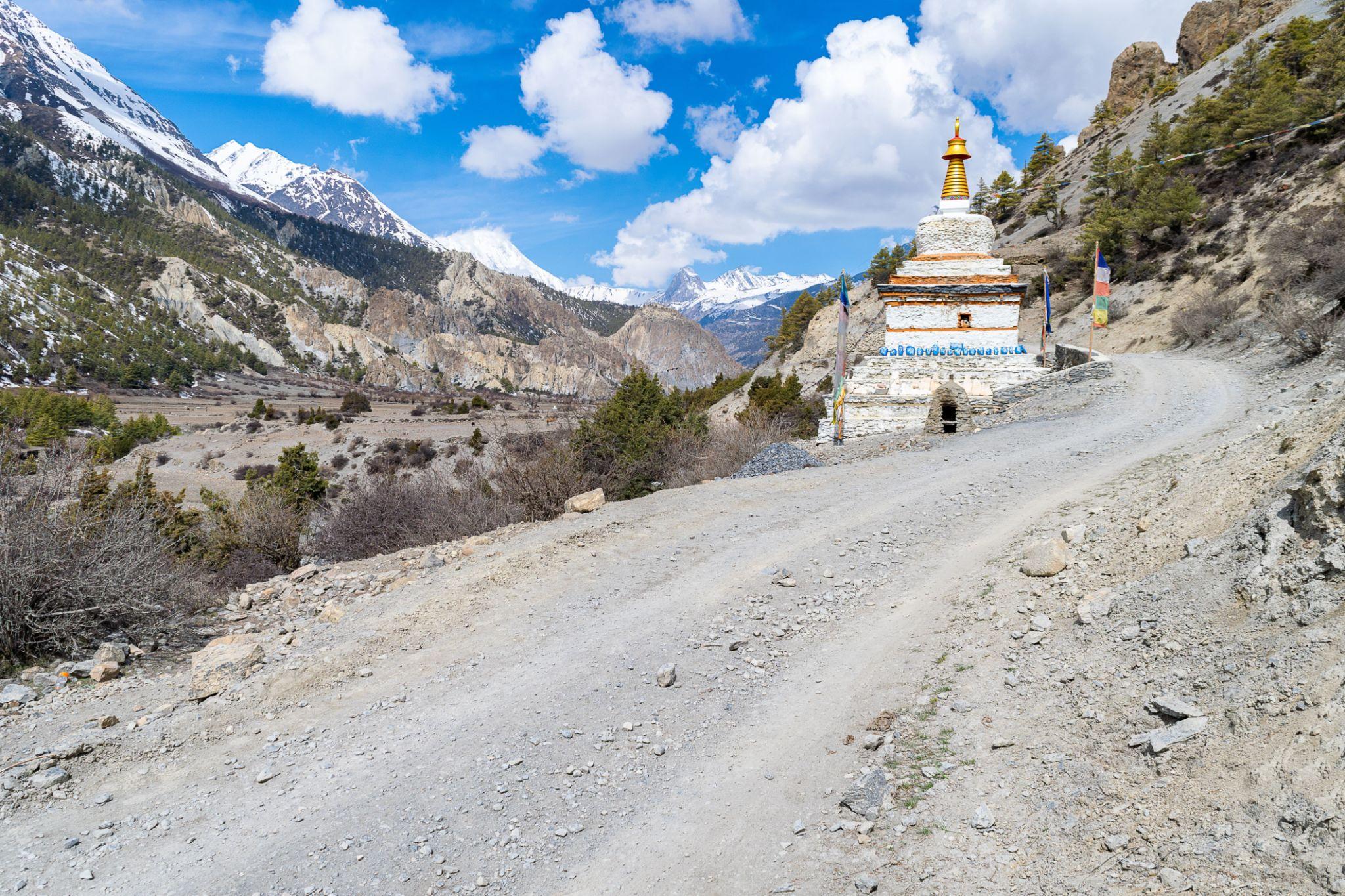
Annapurna Circuit has often been regarded as one of the finest long-distance treks in the world because of the incredible diversity it offers. In its traditional full-route form, the trek combined a wide range of climatic zones — from tropical landscapes at around above sea level to icy alpine terrain at Thorong La Pass. It also showcased immense cultural diversity, ranging from Hindu villages in the lower regions to the Tibetan-influenced culture of Manang Valley and Lower Mustang. Over the years, ongoing road construction has shortened portions of the trail and altered some of the villages along the route. The Besisahar–Manang road now overlaps with the trekking trail in several sections. At the same time, the development of roads has contributed to the rising popularity of mountain biking, with Mustang emerging as one of the world’s most sought-after mountain biking destinations.
The Best and perfect season for Trekking to Annapurna circuit is Autumn and Summer, especially September to October and May to June. During the favored season, the climate gives the best for the trek; the climate stays moderate, and you can get the best out of the trek. The mountain scenes are without a doubt staggering. The blossoming backwoods and shocking scene along the path are no less mysterious during the favored season. What’s more, there are fewer odds of outcomes except for the group.
Day 1 marks the beginning of your trek as you arrive in the beautiful capital city of Nepal, Kathmandu. Today is mainly a rest and preparation day, giving you time to relax, recharge, and get ready for the adventure ahead. If you feel like exploring, you can also take a short walk around the nearby areas and experience the city at your own pace.
Welcome to the vibrant and culturally rich city of Kathmandu — a place filled with centuries of history, tradition, and charm. From bustling local markets and ancient temples to lively streets lined with spice vendors and local shops, the city offers an unforgettable atmosphere. Combined with the warmth and hospitality of its people, Kathmandu delivers an experience that stays with you long after the journey begins.
Day 3 marks the beginning of the more challenging and adventurous phase of the trek as you journey deeper into the world’s highest mountain ranges. On this day, you will trek approximately 17 km towards Bagarchhap, a journey that usually takes around 5–6 hours, where you will camp for the evening.
Along the trail, you’ll witness the peaceful beauty of remote mountain villages, interact with local communities, and pass through stunning landscapes filled with waterfalls, glaciers, alpine meadows, and breathtaking Himalayan scenery. The route offers a truly immersive experience as you move further into the heart of the Annapurna region.
Day 8 of the trek begins after a well-deserved rest day as you continue your journey towards Yak Kharka, situated at an elevation of approximately above sea level.
Today’s trek covers around 9 km and usually takes about 5–6 hours to complete. As you gain more altitude, it’s important to maintain a steady and comfortable pace while taking in the stunning high-altitude landscapes and peaceful mountain surroundings along the route.
Day 11 of the trek is a relaxing and acclimatization day in Muktinath, one of the most beautiful and spiritually significant destinations in Nepal. Take the day to explore the serene surroundings, admire the pristine mountain scenery, and experience the peaceful atmosphere of the region.
This rest day gives you the perfect opportunity to relax, recharge, and enjoy the local cuisine while preparing your body for higher-altitude conditions ahead. Walking around the town at a comfortable pace also helps with better acclimatization for the upcoming stages of the trek.
Day 12 of the trek brings another exciting journey as you continue towards Kalopani, surrounded by some of the most stunning mountain landscapes of the entire trek. After a relaxing break, you will travel by local bus for approximately 65 km, a journey that usually takes around 3–4 hours.
Once you arrive in Kalopani, the remainder of the day is free for you to relax and take in the peaceful beauty of the region. Surrounded by majestic Himalayan scenery and a calm mountain atmosphere, Kalopani offers the perfect setting to unwind and enjoy the experience at your own pace.
Day 13 of the trek offers one of the most scenic road journeys of the entire experience. On this day, you will travel by bus or cab, avoiding the more difficult trail sections while continuing through the breathtaking Himalayan landscapes.
The drive takes approximately 8 hours, giving you plenty of time to relax and admire the stunning mountain views, winding valleys, rivers, and charming villages along the route. Sit back and enjoy the incredible scenery unfolding right outside your window throughout the journey.
Day 14 of the trek brings you closer to experiencing the rich cultural and natural beauty of Nepal. The day begins with a short trek from Ghorepani to Poon Hill, covering around 2 km and taking approximately 1–2 hours. Poon Hill is famous for offering some of the most breathtaking panoramic views in Nepal, especially during sunrise.
After spending time at Poon Hill, the trek continues towards Nayapul. This section covers around 14 km and generally takes about 8–9 hours to complete. Along the way, you’ll pass through scenic trails, traditional villages, and beautiful mountain landscapes.
From Nayapul, you will travel to Pokhara by private vehicle, a drive of approximately one and a half hours. Upon arrival, you can relax and unwind in the peaceful lakeside city of Pokhara after an adventurous day on the trail.
Day 15 marks the penultimate day of the trek as your unforgettable Himalayan journey slowly comes to an end. By now, the memories, experiences, and breathtaking landscapes of the trek are sure to stay with you for a lifetime.
On this day, you will drive from Pokhara back to Kathmandu, a journey that usually takes around 7–8 hours. You are expected to arrive in Kathmandu before dinner time, giving you the evening to relax, unwind, or explore the local markets and enjoy some shopping in the vibrant city.
Day 16 marks the final day of your unforgettable Annapurna journey. Over the past 16 days, you would have experienced breathtaking mountain landscapes, diverse cultures, challenging trails, and countless memorable moments along the way.
This trek is more than just an adventure — it’s an experience that leaves you feeling more confident, resilient, and connected to the beauty of the Himalayas. From overcoming challenges to exploring new places and meeting new people, the journey adds a unique sense of growth and accomplishment.
As your trek comes to an end, take home a lifetime of memories from one of the most remarkable adventures Nepal has to offer.
Annapurna Circuit Trek requests a very fit wellness level. You should stroll for as long as 7 hours, 6-7 hours every day through the unpleasant path. The slender air at this tallness can be testing on the off chance that you are not truly fit or if you don't have earlier trekking and climbing experience. If you can stroll for a few hours, you are set to go. Be that as it may, we prescribe you to go for some physical preparation that may incorporate strolling and climbing for certain hours. Maybe hitting the exercise center can support a ton. Make certain to do some high impact workout.
In normal, the temperature at the Annapurna circuit stays around - 5 degrees Celsius while it is significantly more blazing in the lower elevations. The normal temperature of the outing head Pokhara is around 18 degrees Celsius. Though the temperature in Chhomrong town is around 4 degrees Celsius during November. The evenings and mornings are very chilling with delicate breezes however with warm thermals and base layers alongside down coats, this isn't an issue. This is among the steadiest months, so you don't need to fear a great part of the downpour and wind.
Annapurna Circuit trek has an accumulation of snow along the elevated part of the trails. Yes, it can be done on snow. The Annapurna Circuit Trek is coated with snow mostly.
Annapurna Circuit trek is a high-altitude trek. You need to be fully prepared for the comfortable completion of the trek. All the essential kinds of stuff required for the trek such as Rucksack, 2 pairs of quick-dry T-shirts and trek pants, 2 pairs of socks, trekking shoes, fleece, sunscreen SPF 50+, towel, lip balm, headlamp/torch, water bottles of 1 litre, and personal medicines should be available with you. For a complete checklist, download the checklist from the footer. Make sure that you have all these things before the start of the trek.
Annapurna Circuit trek package includes an experienced cook, who will be going along with the team and the batch during the journey. One thing you can be assured of is the food served on this trek will be one the best that you might have encountered throughout your life. Generally, only vegetarian food is served on a trek because non-vegetarian food has a high amount of protein which makes it difficult to digest. We have a serving of 5 meals per day which includes breakfast, lunch, evening snacks, dinner and bedtime milk. We don't compromise on the quality of the food. Hence, all you need to do is explore the beauty of the trek without worrying about the food. The pure and fresh mountain water will be provided through clean streams of the area. You can bring with you water purification pills, in case you are cautious about it, although it is not necessary.
Annapurna Circuit trek is one of the quite known difficult trails of the Himalayas. It might not be the best trek for first-timers, as it moves through an extremely high alpine area. The trek has a level ranging from moderate to difficult, which demands good physical fitness, stamina, and endurance. Prior trekking or any similar sports experience (like cycling and swimming) is highly required. Nonetheless, beginners are always welcomed by Trekmunk. If you are a novice in trekking and wish to do this trek anyway, then you might prepare yourself. This can be done with regular exercise. You must keep certain targets and start to practice at least two months before the actual trip takes place. Running, cycling, swimming, and even staircase-climbing, all are definitive ways to keep your body fit and prepared for this trek.

Member Since 2026