6 days
Specific Tour
16 people
___
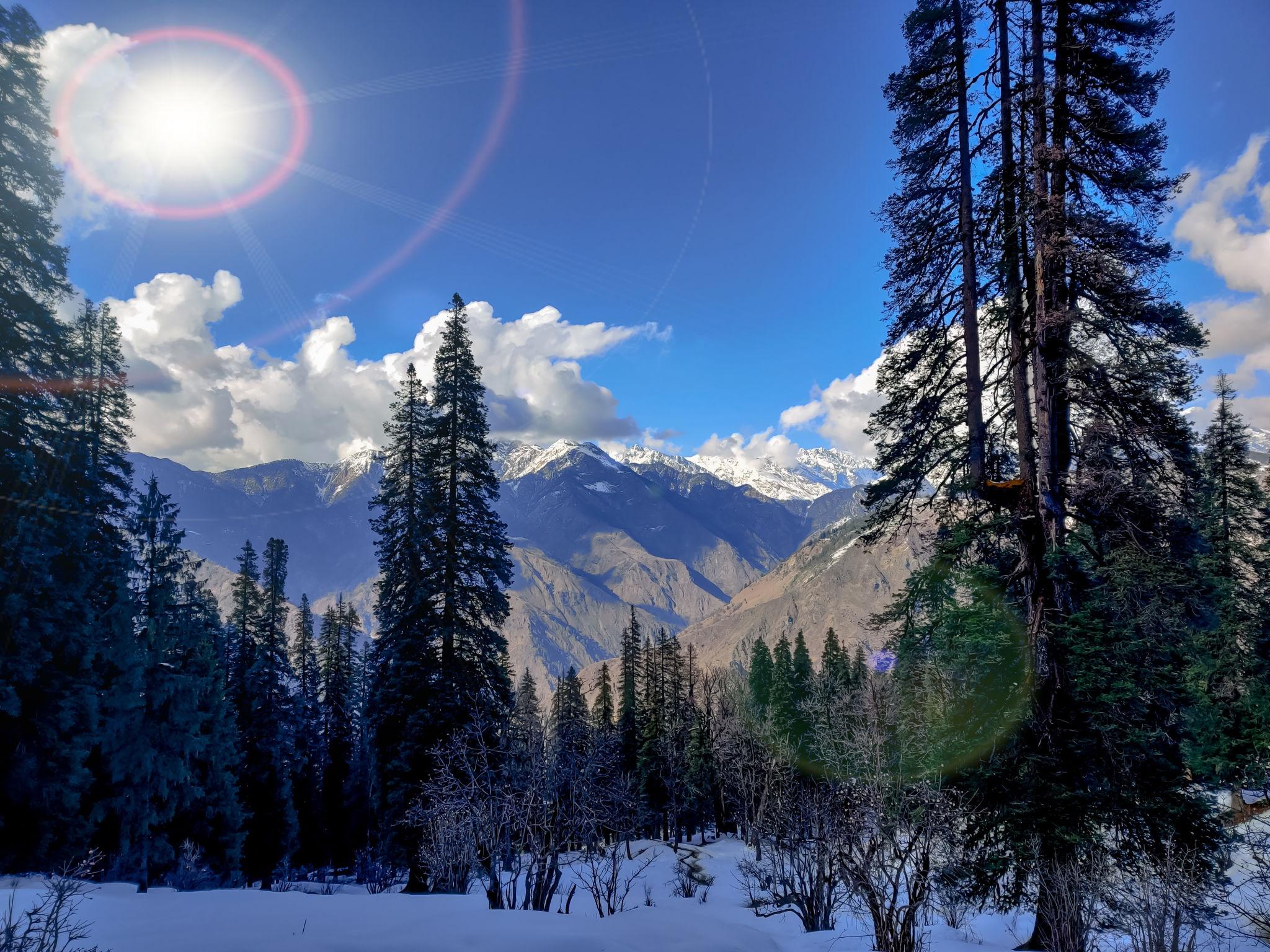
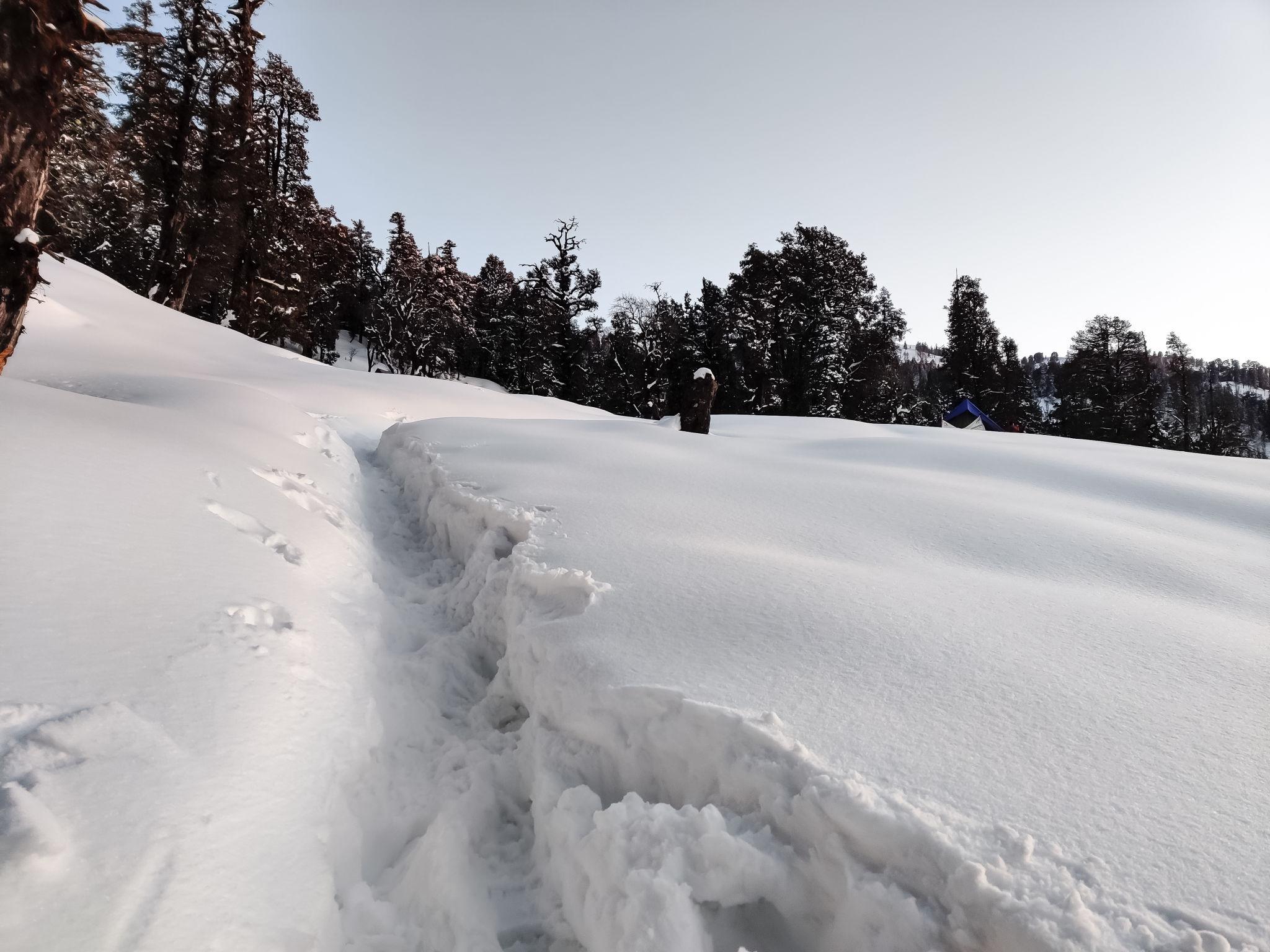
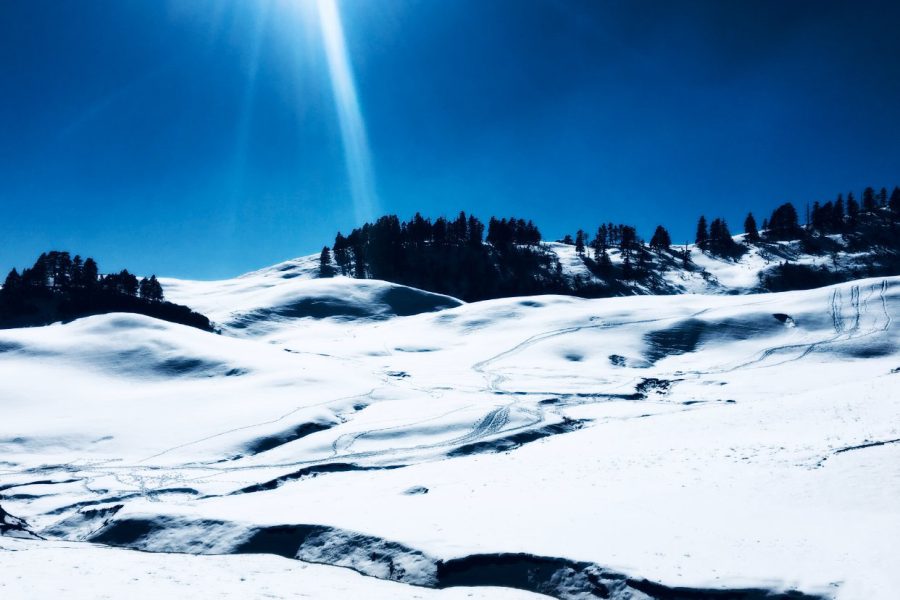
The Kedarkantha Trek is one of the most beautiful Himalayan treks and remains enchanting throughout the year. However, the best time to experience the trek is during December and January, and again from March to April, when the trail is covered in fresh snow, making the entire landscape feel magical and pristine.
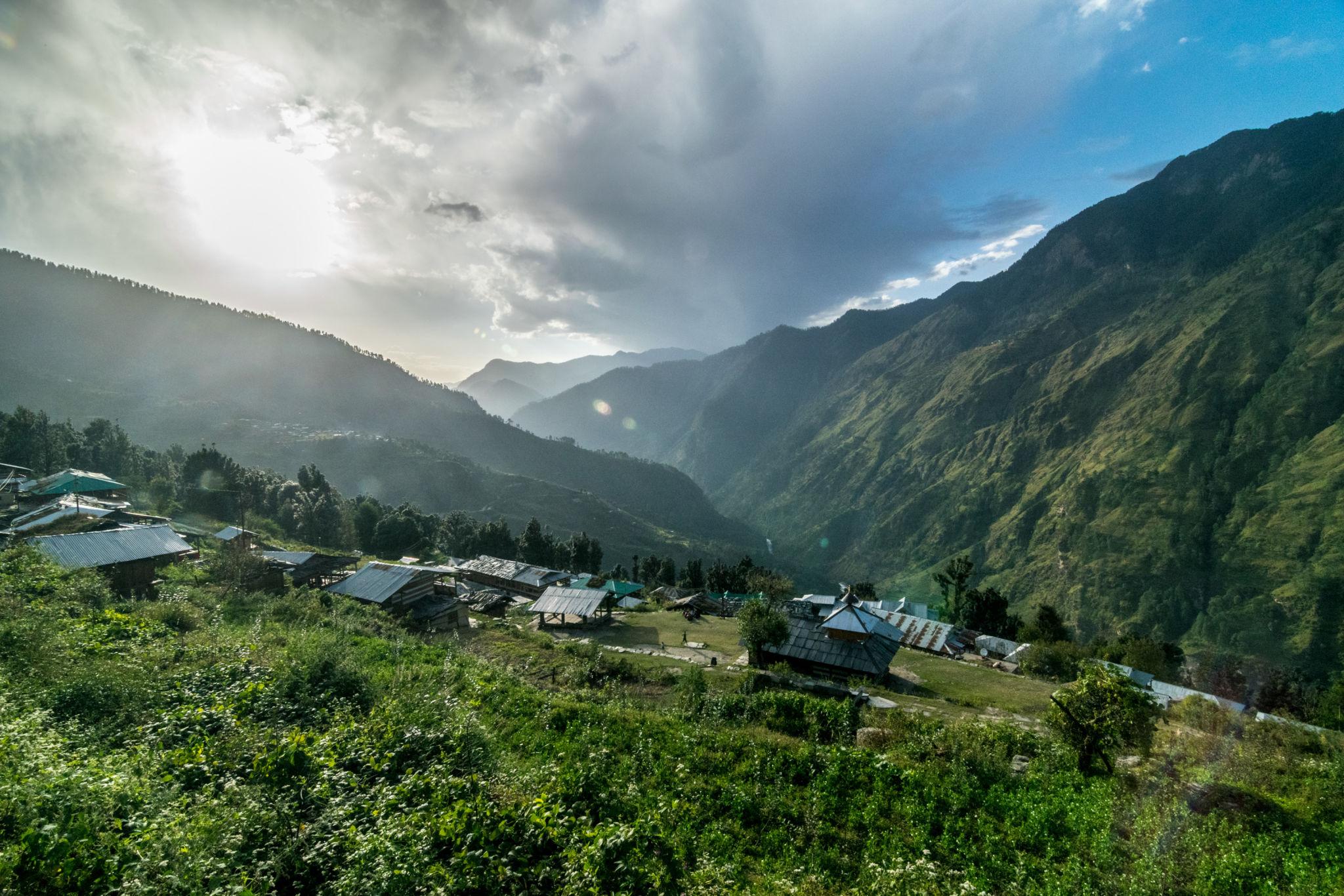
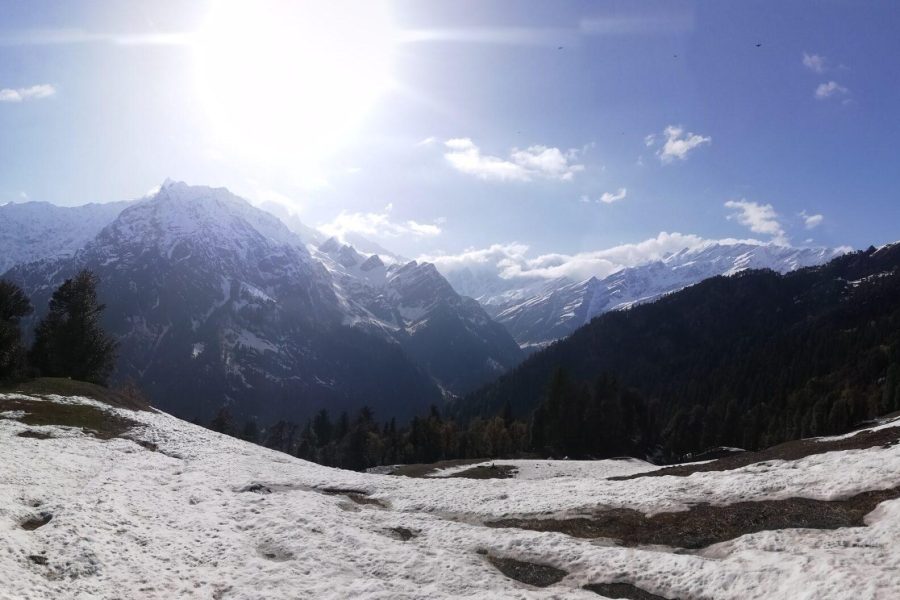
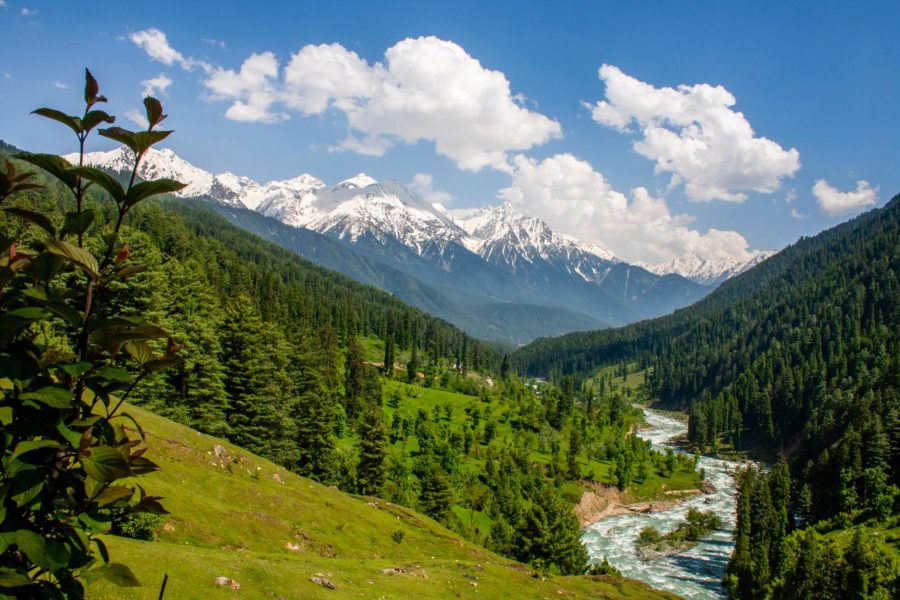
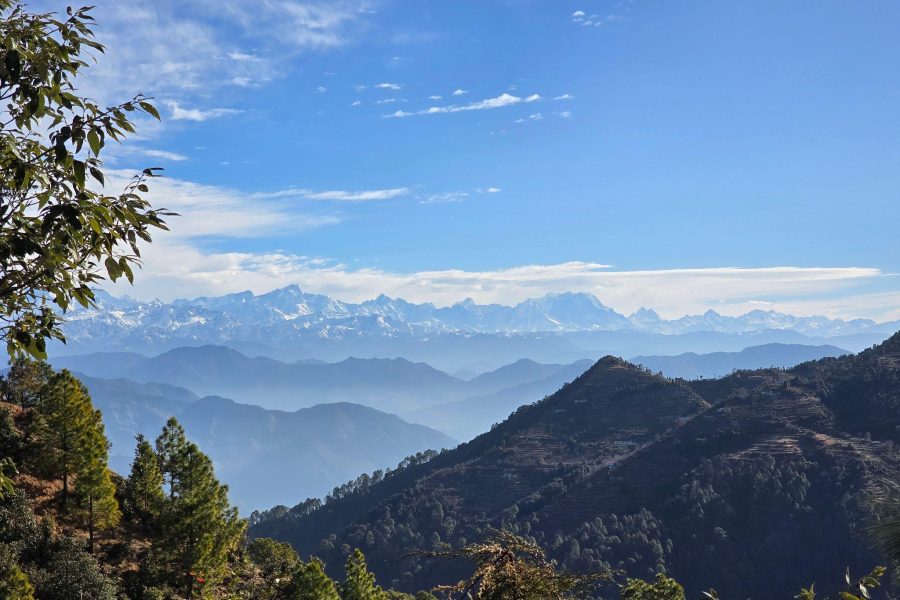
Surrounded by lush valleys, snow-covered peaks, dense pine forests, and clear blue skies, the trek offers breathtaking Himalayan scenery at every step. Blooming alpine flora, frozen streams, and sunlit mountain ridges add to the charm of the journey, creating a perfect experience for nature lovers and trekking enthusiasts alike.
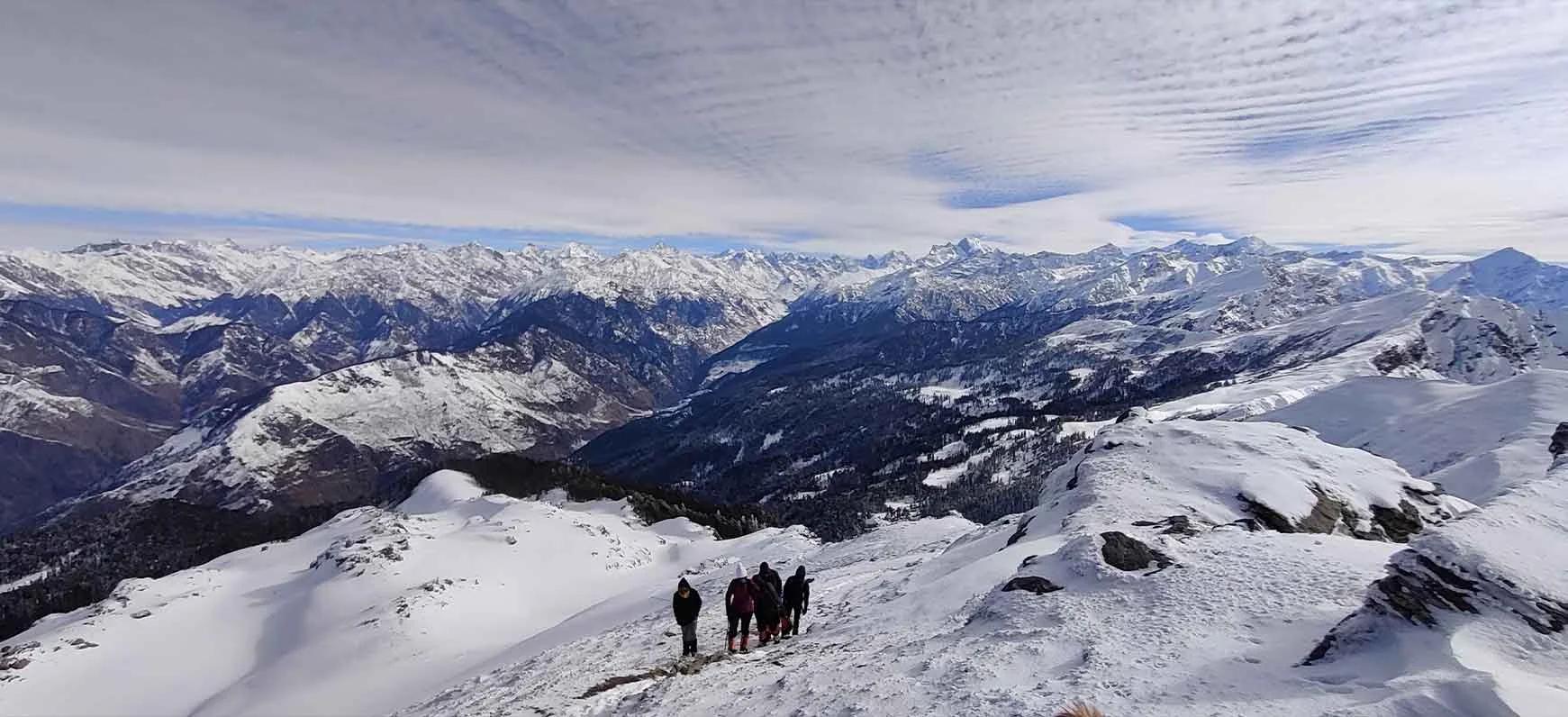
One of the most rewarding moments of the trek is witnessing the snow-clad Himalayan peaks glowing under the golden rays of the sun after a long ascent through the mountains. The peaceful atmosphere, crisp mountain air, and panoramic summit views make the experience truly unforgettable.
The Kedarkantha Trek reaches an elevation of approximately 12500 ft above sea level and covers a total trekking distance of nearly 20 km. The trek is usually completed comfortably over 4 days, including proper acclimatization and rest.
Weather conditions vary across seasons. From April to June, temperatures generally range between 6°C and 20°C, while during the winter months from November to March, temperatures can range from 8°C to as low as -10°C. Monsoon temperatures usually remain between 5°C and 17°C.
The trek offers spectacular views of several snow-covered Himalayan peaks and is especially popular during winter due to its stunning snow trails. During summer, the cool mountain climate provides a refreshing escape from the heat of the plains.
The trek is generally not recommended during the monsoon season from July to September, as continuous rainfall can make the trails slippery and challenging due to steep ascents and muddy terrain.
To reach Kedarkantha, you first need to arrive at Dehradun, the capital city of Uttarakhand. Dehradun is well connected by road, rail, and air, making it easily accessible from major Indian cities including Delhi, Mumbai, Chennai, Bangalore, and Kolkata. The nearest railway station is Dehradun Railway Station, which is served by several premium trains such as Shatabdi, Rajdhani, and Duronto. Travelers arriving by air can fly into Jolly Grant Airport, which operates regular flights from multiple cities across India. From Dehradun, the journey continues towards Sankri, a picturesque Himalayan village situated at an altitude of approximately 6455 ft above sea level. Sankri serves as the base camp for the trek. The drive from Dehradun to Sankri covers nearly 198 km via National Highway 123 and usually takes around 9–10 hours. The route passes through beautiful mountain landscapes, riverside roads, pine forests, and charming Himalayan settlements, making the journey itself a memorable experience. One of the most scenic stretches of the drive is the final 20 km approaching Sankri, which passes through the famous Govind Pashu Vihar National Park, known for its rich Himalayan flora and untouched natural beauty. Trekkers generally arrive at Sankri by evening, although travel time may vary depending on road and weather conditions, as certain mountain stretches can be uneven and slow-moving. Upon arrival, accommodation is arranged in local lodges or homestays followed by dinner and a short briefing session about the trek. An overnight stay at Sankri helps trekkers acclimatize to the mountain conditions before beginning the trek. Mobile connectivity in the region is limited and often unreliable, making Sankri a perfect place to disconnect from the rush of city life and immerse yourself in the tranquility of the Himalayas.
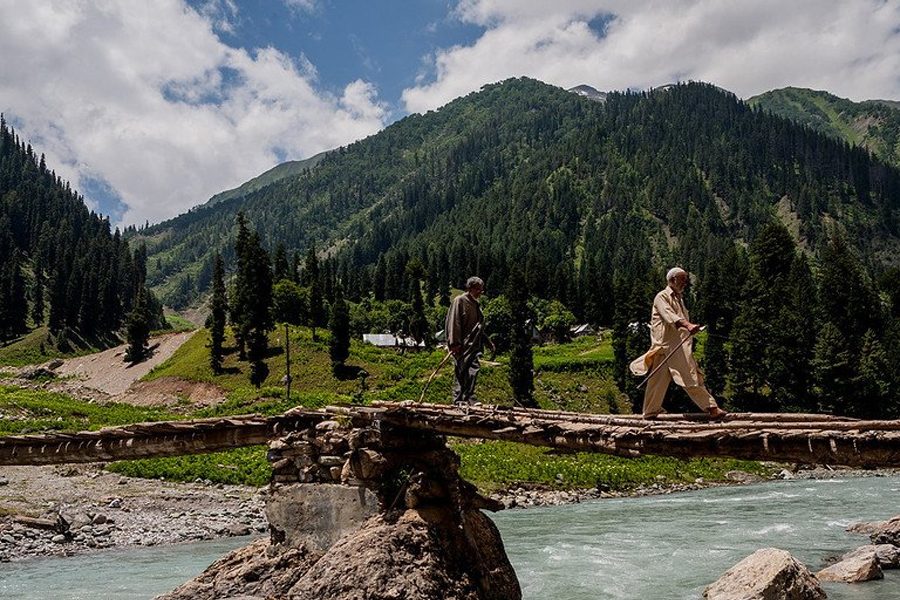
The next stage of the Kedarkantha Trek takes you from Sankri to Juda Ka Talab, covering a trekking distance of approximately 4 km. Situated at an elevation of nearly 9100 ft, the trek to Juda Ka Talab usually takes around 4 hours to complete. The trail passes through dense pine and maple forests, flowing mountain streams, wooden bridges, and beautiful clearings that gradually open into scenic meadows. After an early breakfast at Sankri, the trek officially begins by following a route locally known as Sor. Shortly after leaving the village behind, the trail starts ascending steadily through the forested landscape. As the journey continues, the sound of flowing streams accompanies the trail while the surrounding forests offer chances to spot Himalayan wildlife including langurs, wild boars, and martens. Along the way, trekkers may also pass small remote settlements where local villagers can often be seen carrying logs and dried leaves used for cooking and warmth during the cold mountain nights. After crossing a series of streams and oak forest sections, the trail finally reaches the beautiful campsite of Juda Ka Talab. True to its name, the campsite is centered around a serene high-altitude lake surrounded by dense forests and mountain landscapes, creating a peaceful and magical atmosphere for trekkers. Once at the campsite, trekkers can relax, explore the surroundings, and capture stunning photographs of the lake and forest scenery. Dinner is served at camp followed by an overnight stay in tents beneath the clear Himalayan sky. Evenings here are especially memorable, with warm tea, group activities, and peaceful mountain silence adding to the overall experience.
The main objective of Day 3 is to trek from Juda Ka Talab to the Kedarkantha Base Camp. Located at an elevation of approximately 11250 ft above sea level, the base camp is around 4 km from Juda Ka Talab and usually takes about 3 hours to reach. After an early breakfast, the trek continues along a relatively straightforward trail that gradually ascends through dense oak forests and scenic mountain ridges. Much of today’s route passes through open meadows where small shepherd huts can often be spotted amidst the landscape. During the winter months, snow patches begin appearing once you cross elevations of nearly 10500 ft, transforming the trail into a beautiful snow-covered Himalayan route. As you approach the base camp, stunning views of Himalayan peaks such as Bandarpoonch, Kala Nag, Swargarohini, and Ranglana begin dominating the skyline. Upon reaching the Kedarkantha Base Camp, tents are pitched at carefully selected camping spots surrounded by open mountain views and snow-covered terrain. The campsite offers one of the most memorable night skies of the trek, with bright stars illuminating the sky and, on clear nights, even the Milky Way becoming visible above the surrounding peaks. The cold intensifies significantly at this altitude, especially after sunset, making proper layered clothing essential. Dinner is served at the campsite followed by an overnight stay in tents amidst the peaceful Himalayan wilderness.
This is the most important and rewarding day of the Kedarkantha Trek as you make your way to the famous Kedarkantha Summit before descending towards Hargaon. The summit stands at an elevation of approximately 12250 ft above sea level, while Hargaon is situated at around 8900 ft. The total trekking distance for the day is nearly 6 km and usually takes around 6–7 hours to complete. The day begins early with breakfast before starting the summit climb during the magical hours of sunrise. As the first rays of sunlight illuminate the snow-covered mountains and meadows, the surrounding Himalayan landscape transforms into a breathtaking panorama. The trail initially passes through dense oak forests before gradually opening into snow-covered slopes and ridgelines. Although the climb near the summit becomes steeper and slightly challenging, especially for first-time trekkers, the reward at the top makes every step worthwhile. At the summit, trekkers are welcomed by a small temple dedicated to Lord Shiva and Goddess Parvati, along with a shrine of Lord Ganesh. From the top, a spectacular 360-degree panoramic view of the Himalayan ranges unfolds all around, creating one of the most unforgettable moments of the trek. After spending some time at the summit and capturing the stunning views, the group descends back towards the base camp for lunch. Later, the trail continues downhill towards Hargaon through dense oak forests, maple trees, shepherd huts, and serene mountain streams. The day concludes with dinner and an overnight stay in tents at Hargaon, bringing an end to one of the most exhilarating and memorable days of the entire trek.
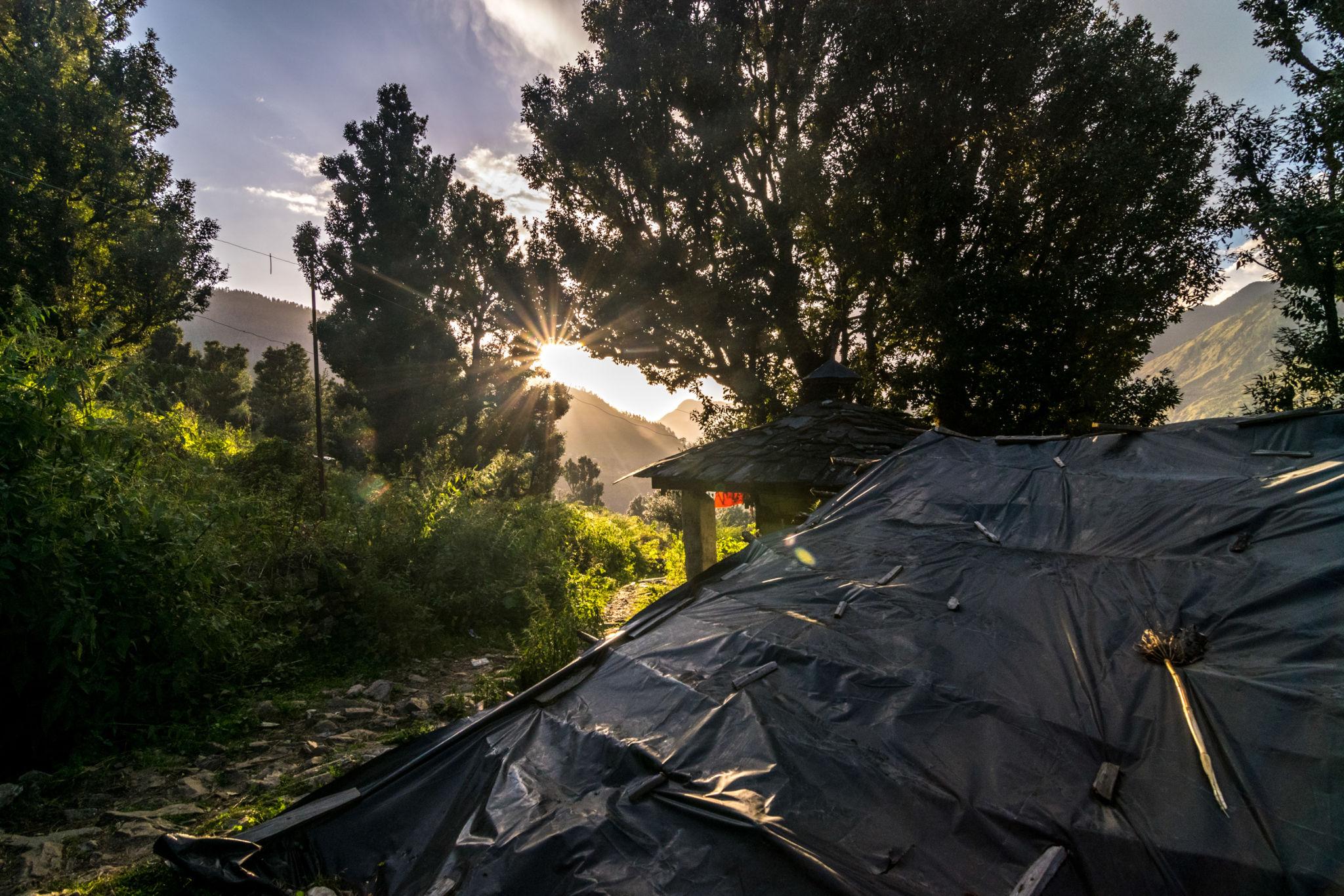
Today’s journey involves descending from Hargaon back to Sankri, which is situated at an elevation of approximately 6400 ft above sea level. The trail descends nearly 2500 ft through dense pine forests and covers a total distance of around 6 km, usually taking about 4 hours to complete. After an early breakfast, the trek begins along a well-defined mountain trail lined with pine forests, pebbled pathways, and flowing streams. The morning sunlight filtering through the thick pinewood creates a beautiful atmosphere throughout the descent. Along the route, trekkers pass small freshwater streams where water bottles can be refilled for the remaining journey. A little further down the trail, a scenic ridge offers beautiful views of the Har Ki Dun Valley, making it a perfect spot for photography and short breaks. The trail gradually winds through forests rich with Himalayan flora and fauna before eventually revealing signs of habitation, indicating that Sankri is nearby. By evening, trekkers reach Sankri and settle back into the village after days spent in the mountains. Those still full of energy can spend time exploring the charming village of Sankri, visiting local markets, or purchasing handmade souvenirs and local products. The village occasionally hosts local fairs and cultural gatherings that offer a glimpse into the traditions and lifestyle of the Himalayan communities. As the final night of the trek unfolds, trekkers often spend time reliving summit memories and sharing stories with fellow travelers who, over the course of the journey, have turned from strangers into friends.
This marks the final day of the Kedarkantha Trek as you begin the return journey from Sankri to Dehradun. The drive covers approximately 198 km via National Highway 123 and takes you once again through the beautiful landscapes of the Garhwal Himalayas. The route passes through the scenic stretches of Govind Pashu Vihar National Park, offering one final chance to witness the dense pine forests, mountain valleys, and riverside roads that made the journey so memorable. Breakfast and lunch halts are usually taken along the route, allowing trekkers to relax and enjoy the drive back through the mountains. Under normal road and weather conditions, you are expected to reach Dehradun between 6 PM and 7 PM. Travelers planning onward journeys are generally advised to book tickets after 8 PM, while those with extra time can choose to stay back and explore the city further. Dehradun and its surrounding areas offer several beautiful attractions including Sahastradhara, Tiger Falls, Robber's Cave, Mindrolling Monastery, Tapkeshwar Temple, Tapovan, and Kempty Falls. As the trek comes to an end, the memories of snow-covered trails, pine forests, peaceful campsites, star-lit skies, and panoramic Himalayan views remain etched in your heart long after you leave the mountains behind. The Kedarkantha Trek is more than just a Himalayan adventure — it is an experience filled with unforgettable landscapes, friendships, and moments that stay with you for a lifetime.
The Kedarkantha Trek is best experienced during the winter months. Winters in the region are cold and snowy, while summers remain pleasant and refreshing. The ideal time to undertake the trek is during December and January, and again between March and April. However, the overall winter season from November to April is considered the best period for the Kedarkantha Trek. During these months, the entire region transforms into a picturesque winter landscape with snow-covered trails and breathtaking views of the mighty Garhwal Himalayas. The surrounding valleys and forests look especially beautiful under fresh layers of snow, making the trek a paradise for nature lovers and photography enthusiasts alike. Be sure to carry a good camera or smartphone, as the scenic beauty and panoramic Himalayan views throughout the trek are truly worth capturing.
Kedarkantha is a high-altitude Himalayan trek with an easy to moderate difficulty level that requires a reasonable level of physical fitness, stamina, and endurance. No prior trekking experience is necessary, which makes it suitable for beginners as well. The trek spans around 6 days and covers a total distance of approximately 33 km. Along the trail, trekkers may encounter a few steep ascents and narrow ridges, while much of the route passes through dense forests and scenic mountain landscapes. During the winter months, the trek can become slightly more challenging as heavy snowfall covers large sections of the trail. However, apart from the snow season adding a bit of difficulty, the Kedarkantha Trek is generally considered an accessible and beginner-friendly Himalayan trek throughout most of the year.
Kedarkantha Trek is a high-altitude Himalayan trek with an easy to moderate difficulty level that requires a fair amount of physical fitness, stamina, and endurance. No prior trekking experience is necessary, which makes it an excellent choice for beginners as well. The trek usually spans 6 days and covers a total trail distance of approximately 40 km. During the winter months, the trek can become slightly more challenging as snowfall covers the trail and surrounding landscape. However, with proper preparation and a positive mindset, the conditions remain manageable for most trekkers. Kedarkantha is widely regarded as one of the safest and best beginner-friendly summit treks in the Himalayas. Its well-defined trails, gradual ascents, and breathtaking mountain views make it a perfect introduction to high-altitude trekking for first-time trekkers.
Kedarkantha stands tall at an elevation of approximately 12500\ \text{ft} above sea level. The best time to experience the trek is from mid-November to March, when the entire trail is covered in fresh snow, creating a magical winter landscape. During this season, trekkers get the opportunity to walk across beautiful snow-covered trails while witnessing the surrounding hills and valleys blanketed in white. The trek can become slightly more challenging in winter as sections of the route remain submerged under snow, but the breathtaking scenery makes the experience truly worthwhile. One of the major highlights of the trek is the spectacular view of the snow-clad ranges of the mighty Garhwal Himalayas. To stay comfortable in the cold mountain conditions, it is important to carry proper winter clothing and heavy woollens throughout the journey.
One thing for sure, you won't have to worry about the food on this trek. We can assure you that the food served on this trek will be one of the best that you might have encountered throughout your life. Generally, only vegetarian food is served on a trek because the non-vegetarian food has a high amount of protein which makes it difficult to digest. We have a serving of 6 meals per day which includes breakfast, lunch, evening snacks, dinner and bedtime milk. We don't compromise on the quality of the food. Hence, all you need to do is explore the beauty of the trek without worrying about the food.
Kedarkantha is a long 4-day trek and hence backpacks, raincoats and other types of equipment are necessary. Backpacks and raincoats including other items will not be available for rent by us. These are the things you need to bring on your own. You can check our website to make sure that you know about all the things that you need to carry by yourself on this trek. It is advised to carry all those things for your own convenience. The only accessories that we will provide on rent for this trek are trek poles and ponchos. All the other necessary items or equipment are not available for rent by our side.
Kedarkantha is a high altitude Himalayan trek. There will be a trek leader along with an assistant trek leader. A bunch of people who have booked for the Kedarkantha trek on the same date of departure. You are assured to get an amazing company of wanderlusts alongside you who are bored with their life as well. People from different spheres of life joining each other on an isolated trek might seem like a thrilling adventure. You will feel like going with strangers won't be that fun but believe me, you will certainly descend the trek with your hand over their shoulders promising to trace more peaks together in the future. We will also have porters, kitchen staff and mules along with us to make our journey a comfortable one.
So, what we do for the washroom/toilet facilities on the trek is that a toilet tent is put a little far away from the campsite. The toilet tent has a hole dug right into the earth. You do your business and then cover it with dirt. We can assure you that it won't be a problem.
We will pick you up at the Dehradun station at 6 o'clock in the morning and drop you back to Dehradun after the completion of the Kedarkantha trek. So, if you want to go sightseeing in Dehradun, you have to either go before or after the trek. The interesting places in and around Dehradun include Sahastradhara, Tiger Falls, Robert's Cave, Mindrolling Monastery, Tapkeshwar Temple, Tapovan and many more. You can also visit Kempty falls. All these places are amazing and if you have an extra day, we suggest you go out and explore the beauty of Uttarakhand. The scenic beauty and impeccable natural landscapes are something to look out for.

Member Since 2026