7 days
Specific Tour
16 people
___
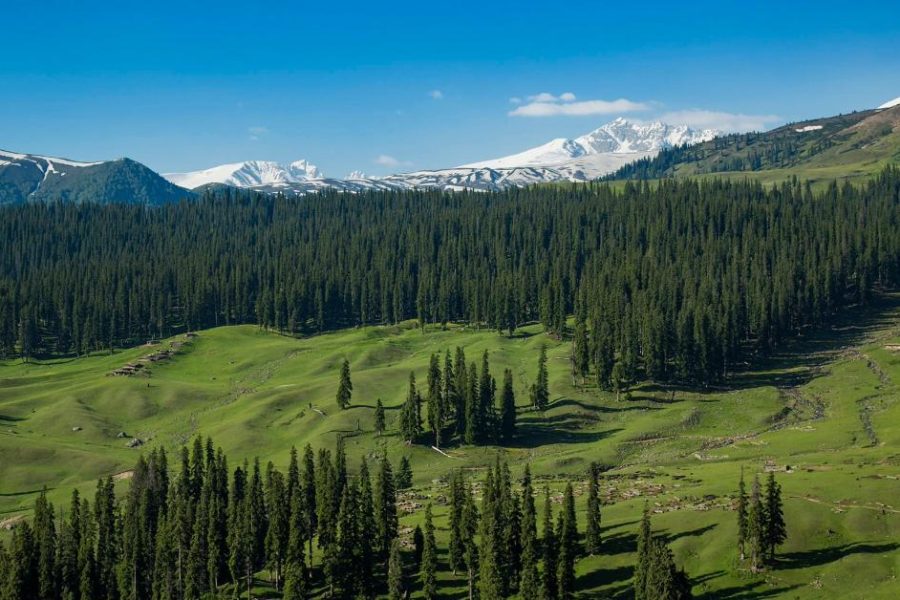
The Har Ki Dun Trek is one of the most scenic and culturally rich treks in the Garhwal Himalayas, located within the beautiful Har Ki Dun valley. The trail passes through the famous Govind Pashu Vihar National Park, a region known for its rich biodiversity, alpine landscapes, and traditional Himalayan villages.
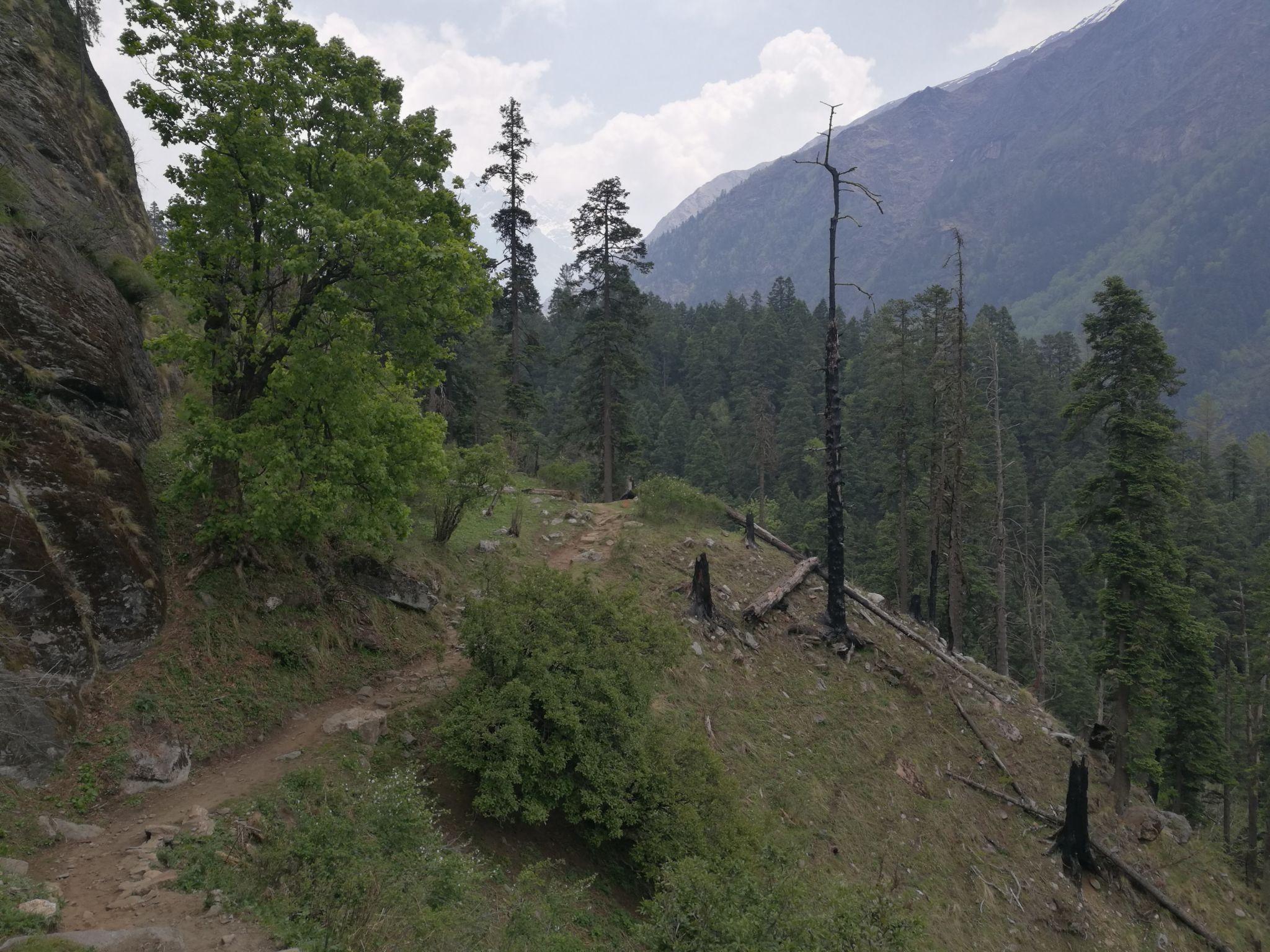
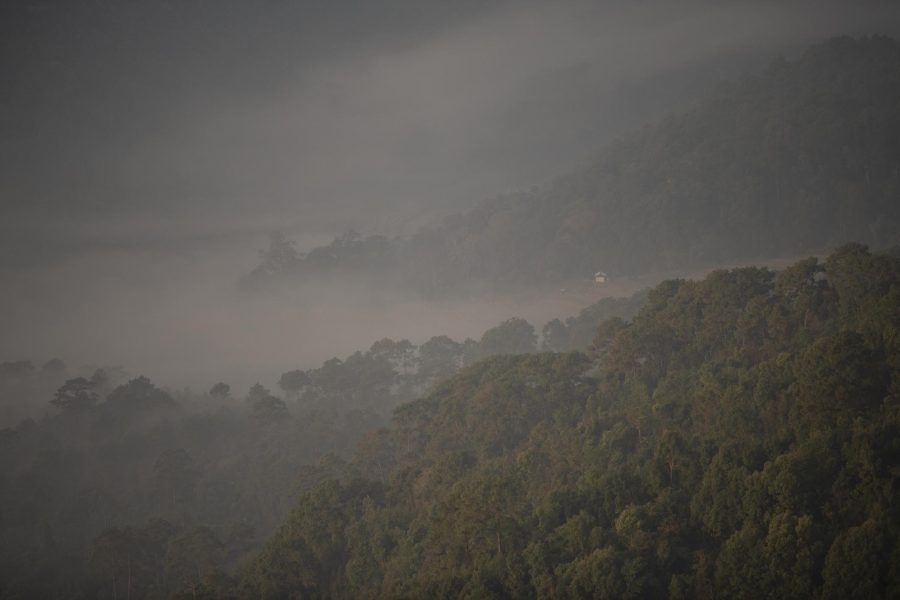
Throughout the journey, trekkers pass through dense pine forests, alpine meadows, glacier basins, moraine ridges, riverside trails, and centuries-old mountain settlements that still preserve the traditional culture of the region.
The trek reaches an elevation of approximately 12000 ft above sea level and covers a total distance of nearly 56 km, usually completed over 7–9 days.
The Har Ki Dun Trek is generally considered an easy to moderate trek, making it suitable for both beginners and experienced trekkers. However, first-time trekkers are advised to prepare physically and mentally beforehand. Following a regular fitness routine for a few months before the trek can greatly improve comfort and endurance on the trail.
The trek remains accessible during most parts of the year except the monsoon season. Spring and summer months bring lush greenery and blooming rhododendrons across the valley, while March and April offer snow-covered trails for trekkers looking for a more adventurous winter-like experience.
Temperatures vary depending on the season and altitude. During warmer months, daytime temperatures remain pleasant while nights can become significantly colder at higher campsites. Winter conditions can bring sub-zero temperatures and snow-covered landscapes across the valley.
The best time to undertake the trek is generally between March and May, when the valley is at its most scenic with clear skies, pleasant weather, and vibrant Himalayan landscapes. During summer months, occasional rainfall may occur, so carrying basic rain protection gear is recommended throughout the journey.
The journey to Har Ki Dun begins from Dehradun, which is the nearest major city connected by rail, road, and air. From Dehradun, it takes approximately 10 hours by road to reach Sankri, the base village for the trek. Travelers arriving by train can reach Dehradun Railway Station early in the morning, while those coming from Delhi often prefer overnight buses or taxis to Dehradun ISBT. The scenic drive towards Sankri passes through beautiful Himalayan towns including Mussoorie, Purola, Mori, Naitwar, and Naugaon before finally reaching Sankri. The route is filled with dense pine forests, mountain roads, riverside views, and picturesque valleys that make the long drive highly enjoyable. A lunch halt is usually taken along the way at one of the local cafés, restaurants, or roadside dhabas available on the route. Travelers are advised to complete important calls and internet-related work before crossing Purola, as mobile connectivity becomes limited further ahead, with BSNL being the primary available network in the region. Near Sankri, the route passes through a checkpoint close to Govind Pashu Vihar National Park, indicating arrival near the trekking region. Upon reaching Sankri, trekkers can rest at the guesthouse, explore the local village market, and purchase any last-minute essentials such as ponchos, gloves, caps, socks, or toiletries before beginning the trek into the Har Ki Dun valley.
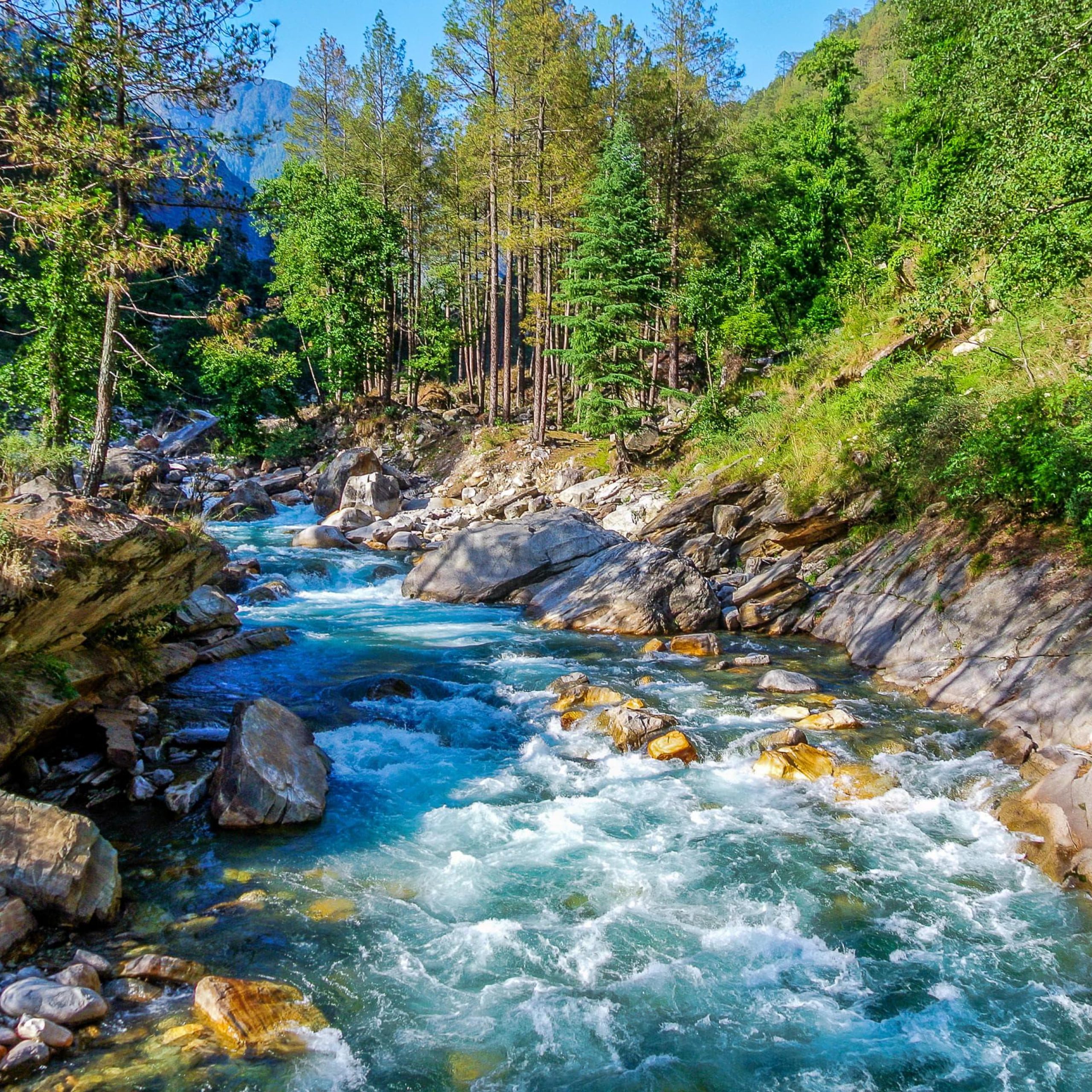
The day begins early with a drive from Sankri to Taluka around 7 AM. The scenic route winds through dense forests, rocky mountain paths, and freshwater streams cutting through the terrain, offering the perfect introduction to the landscapes of the Har Ki Dun Trek. Upon reaching Taluka, you can take a short break at the small village settlement before beginning the trek ahead. The trail initially descends towards the banks of the Tons River, which accompanies the route for much of the journey. Soon, the path enters dense conifer forests and crosses a cement bridge tucked amidst the wilderness. Further ahead, a wooden bridge leads towards flowing freshwater streams where trekkers can refill their bottles, although using a purifier is always recommended. The trail is surrounded by beautiful Himalayan vegetation including irises, wild roses, bamboo, chestnut, and towering deodar trees, making this section especially scenic for photography enthusiasts. Around lunchtime, the trail reaches the edge of the Supin River, where small local food shacks serve tea, snacks, and simple meals. Trekkers can also try local delicacies or carry packed snacks for the remaining trail. As the trek progresses, the landscape opens into wide agricultural fields growing millet, potatoes, and maize, creating a refreshing contrast to the dense forests earlier in the day. Eventually, the trail leads to the beautiful green clearing of Pauni Garaat, the campsite for the night. Reaching here around dusk offers stunning views of the soft evening sky and surrounding valley landscapes. The route also passes through some of the oldest Himalayan villages in the region including Osla and Gangad, both known for their traditional mountain culture and wooden architecture. The trail further moves through Bhida Ka Thach and descends towards the Thamsa river valley, where the flowing river remains a constant companion. Along the way, trekkers cross wooden bridges, natural water points, and occasional clearings suitable for short halts or emergency camps. The trail also passes through Dhatmir village before continuing towards Gangad, which is approximately a 30–40 minute trek from Pauni Garaat. Small roadside dhabas on the route offer refreshments and packed food options for trekkers. One of the major highlights of this section is the famous Someshwar Temple in Osla village. Known for its remarkable traditional Himalayan architecture, the temple holds deep cultural and spiritual importance for the local villagers, who continue to preserve and worship it with great devotion.
The trek for the day covers approximately 7 km and usually takes around 7 hours to complete, making it ideal to begin early in the morning. The trail passes through traditional Himalayan landscapes where you will come across small hydroelectric grinding units used by villagers to process crops like millet and maize into flour. As the journey continues, the route moves through harvest fields, grazing lands, and rustic slant-roofed storage huts that beautifully reflect the local mountain lifestyle. The gradual ascent offers increasingly stunning views of the surrounding Himalayan ranges glowing under the morning sunlight. Further ahead, you arrive at Simatra, the campsite for the night. Surrounded by peaceful mountain scenery, the campsite offers a true Himalayan camping experience amidst open landscapes and cool mountain air. Once the tents are set up and the campsite is prepared, trekkers can relax and enjoy freshly prepared meals served at camp. As night falls, the sky above transforms into a spectacular blanket of stars, far away from city lights and pollution. The crystal-clear night sky here creates a perfect setting for stargazing and astrophotography enthusiasts. Early risers can also witness and capture a mesmerizing Himalayan sunrise the following morning, making this campsite one of the most scenic highlights of the trek.
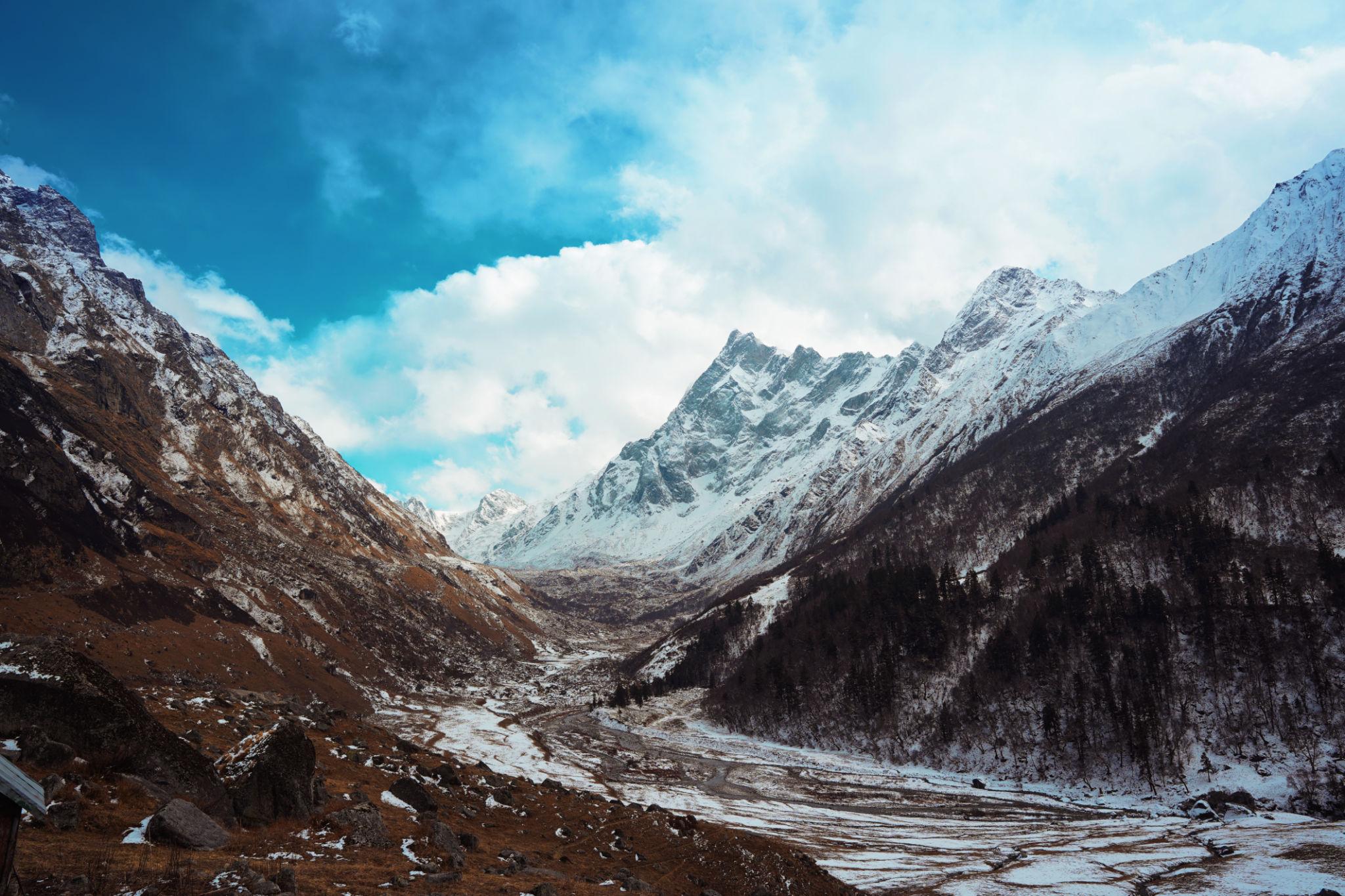
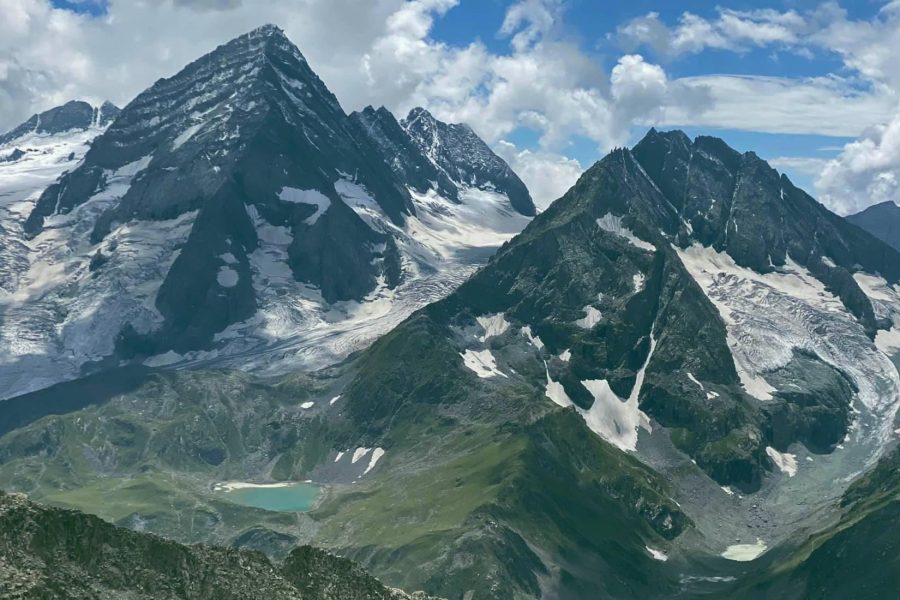
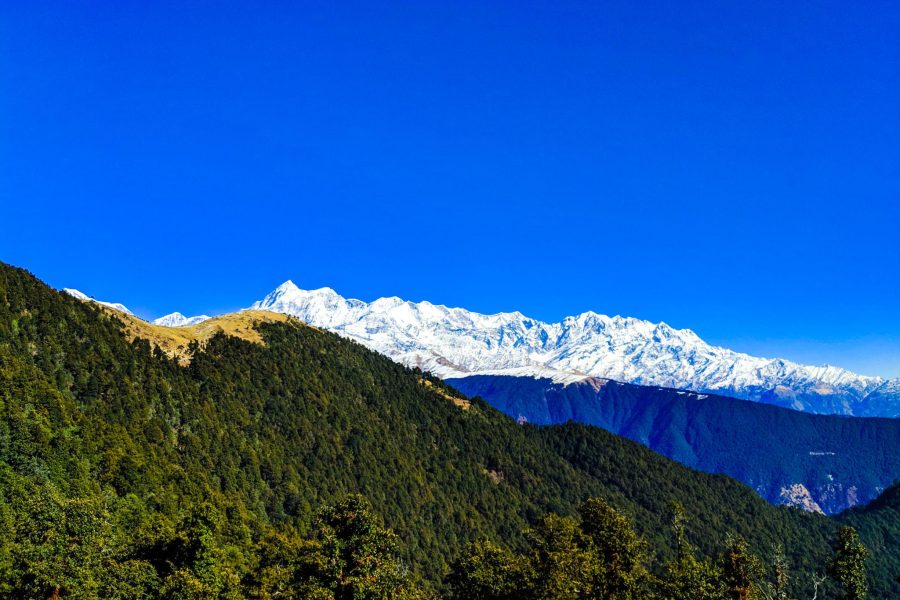
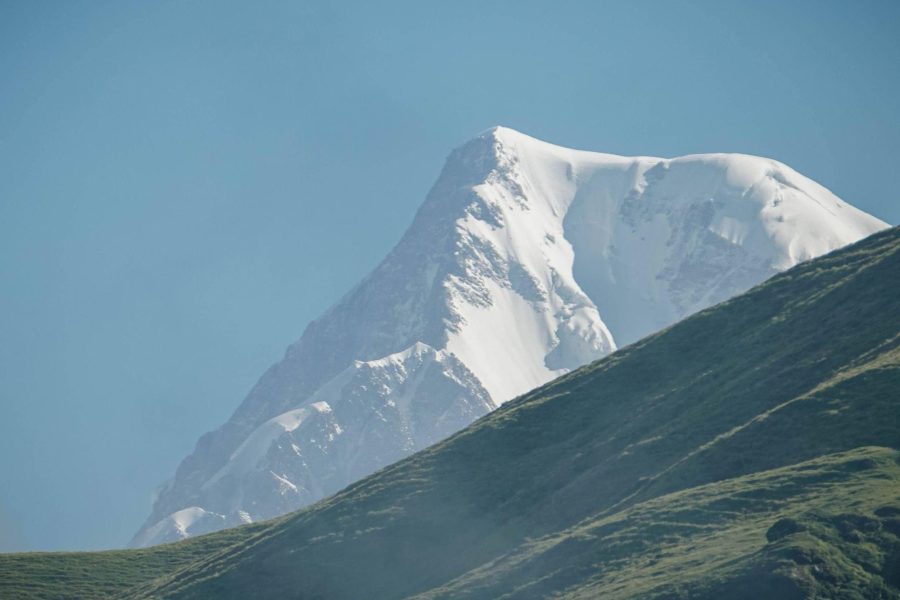
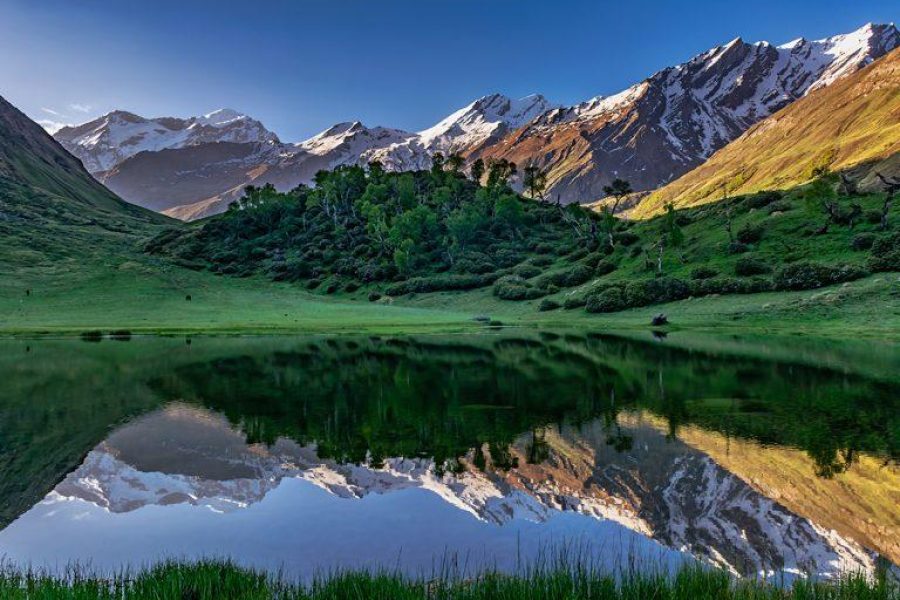
This is the most rewarding day of the Har Ki Dun Trek as all your efforts finally lead you to the breathtaking valley of Har Ki Dun. The trail unfolds through alpine meadows, glacier sections, dense pine forests, and dramatic Himalayan landscapes that make every step worthwhile. The route involves a mix of ascents and descents with uneven terrain, requiring steady stamina and endurance throughout the day. During winter months, much of the trail remains covered in snow, adding both beauty and challenge to the journey. As you gain altitude, frozen waterfalls and glacier patches begin appearing along the route while the magnificent Himalayan peaks slowly reveal themselves around the valley. Stunning views of Swargarohini, Black Peak, and Hata Peak dominate the skyline, especially as sunlight illuminates the natural ridges and snow-covered faces of the mountains. The valley itself is a spectacular blend of alpine meadows, coniferous forests, glacier moraines, and towering Himalayan peaks, creating one of the most beautiful trekking landscapes in Uttarakhand. Reaching Har Ki Dun marks the completion of the summit journey and offers a deeply rewarding experience amidst the serene beauty of the Garhwal Himalayas before beginning the return journey back home.
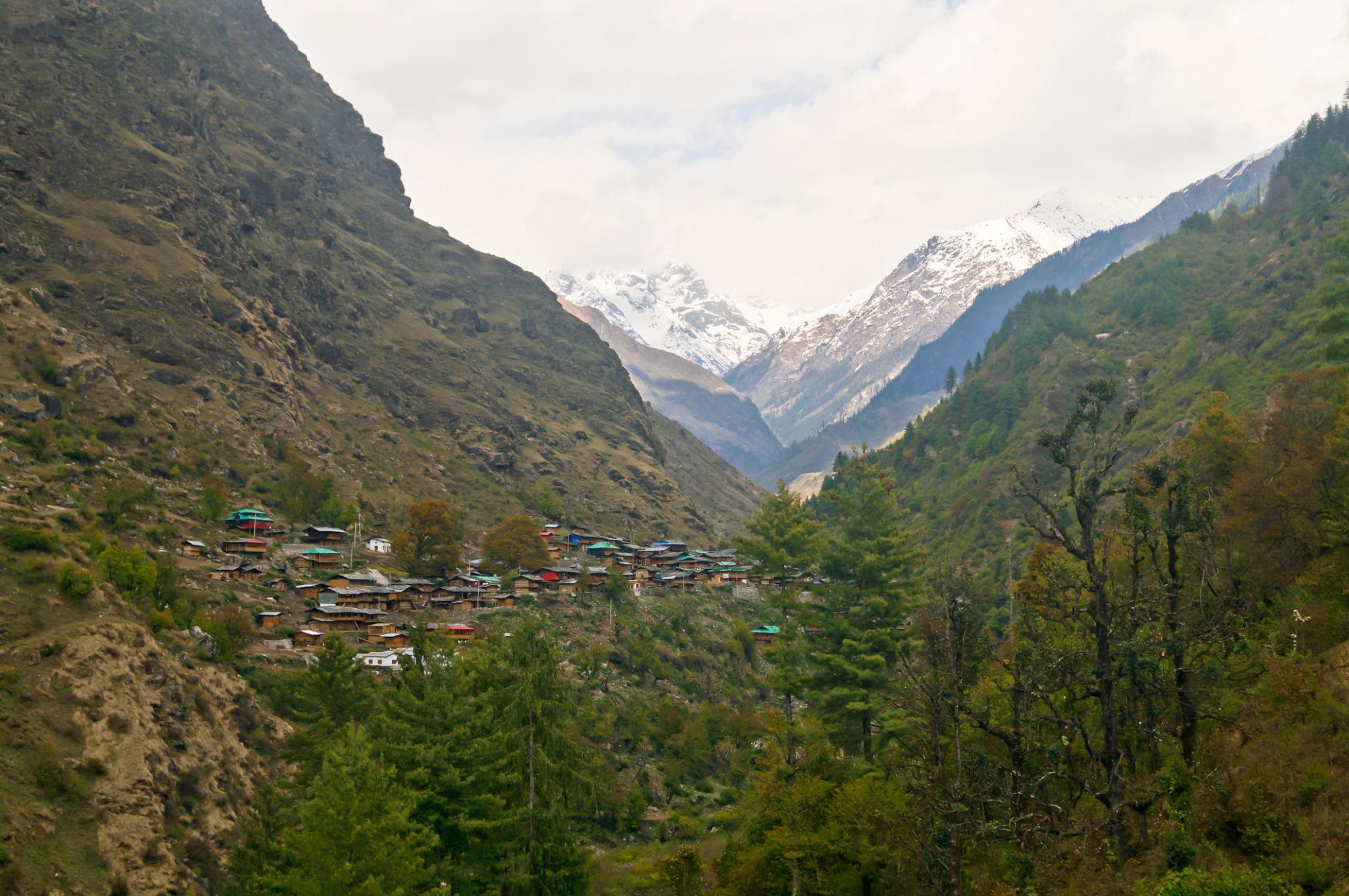
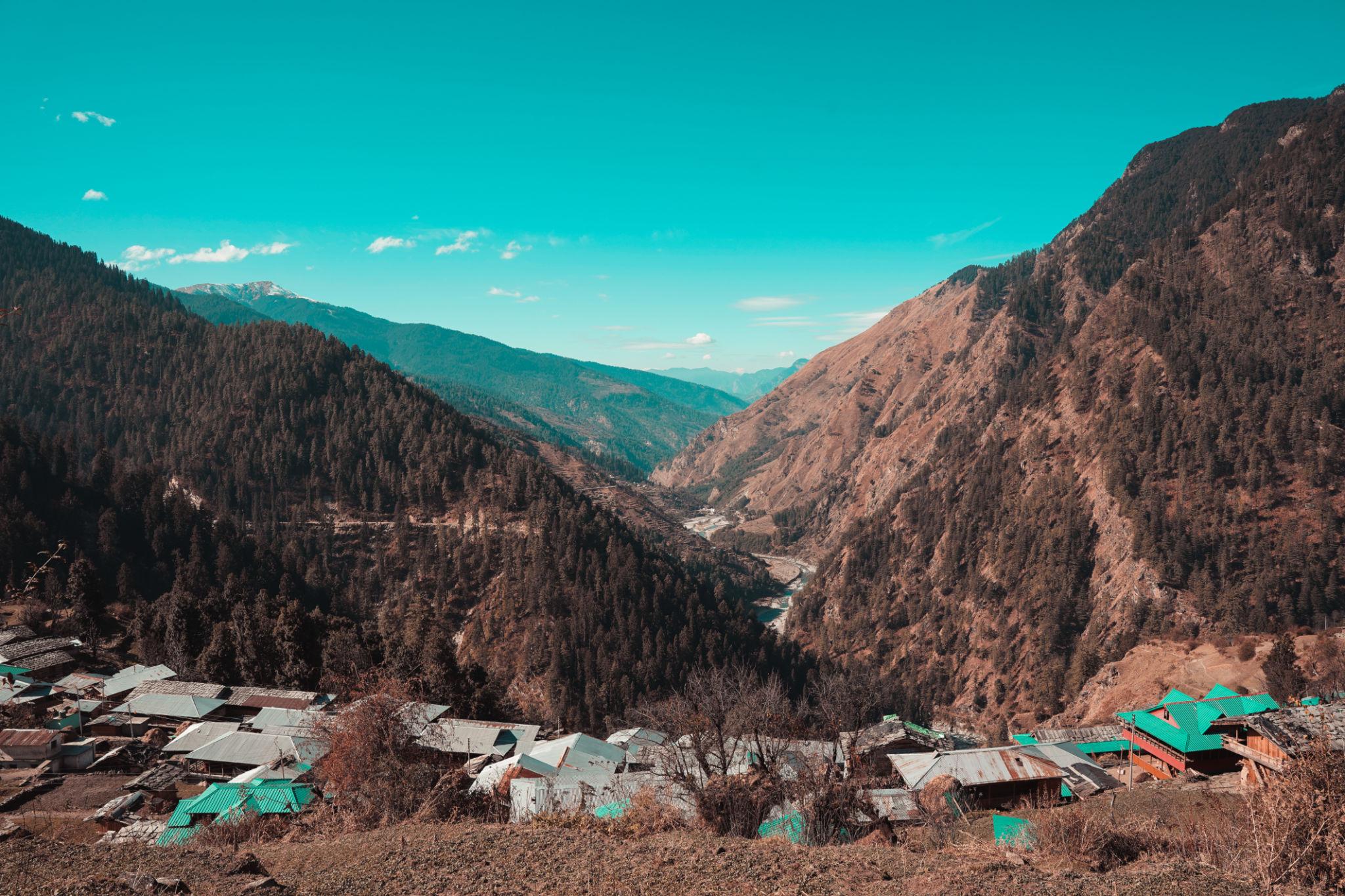
Today’s trek takes you through some of the oldest Himalayan villages in the region, where generations of locals have preserved their traditions and way of life for centuries. The trail winds through dense forests filled with chir pine, needle pine, ferns, and flowering trees, making this section especially scenic and peaceful. As you continue along the route, you may notice fellow trekkers ascending towards Har Ki Dun, since the ascent and descent trails run parallel for much of the journey. Both routes eventually meet near the Seema Bridge, an important midpoint on the trek. From here, the trail continues towards Chilurgad, located around 2 km away, before descending further to Gangad village, the campsite for the night. Staying at Gangad offers a wonderful opportunity to experience the local Himalayan culture closely. The villagers, who have guided trekkers through these mountains for generations, are known for their warmth and hospitality. Trekkers can learn about the traditional lifestyle, local cuisine, customs, and spiritual beliefs that continue to shape life in these remote Himalayan settlements. The village temples and peaceful surroundings also provide a calming spiritual atmosphere amidst the mountains. While interacting with locals, it is always important to remain respectful and mindful of their traditions, as these communities have long welcomed travelers into their homes and valleys with great warmth and generosity.
Today’s trail mostly involves gradual descents as you make your way back towards Taluka. While descending, it is important to stay cautious as mountain trails can often become slippery and uneven. Using a trekking pole is highly recommended, as it provides better balance, reduces strain on the knees, and makes the descent safer and more comfortable. After bidding farewell to the warm locals of Gangad, you begin retracing the same scenic trail crossed earlier during the ascent. Maintaining a steady pace usually allows trekkers to reach Taluka within 3–4 hours. From Taluka, a vehicle transfer takes you back to Sankri via the well-connected mountain road. The drive saves time and offers one final chance to admire the beautiful Himalayan landscapes along the route. Upon reaching Sankri by afternoon, trekkers can spend time exploring the local market and shopping for regional products such as woollens, organic rajma, herbs, honey, rice, and handmade souvenirs that beautifully reflect the culture of the region. The night is spent at a guesthouse in Sankri, where trekkers can finally relax after days spent in the mountains. A warm meal, local tea, and a peaceful evening in the village provide the perfect ending to the trekking experience. Those wishing to explore further can take a short walk through the charming local market and capture a few final glimpses of life in the Himalayas before returning home.
The final day of the journey begins early as you depart from Sankri and begin the long drive back to Dehradun. Since mountain roads are often subject to weather conditions and occasional blockages, it is generally advisable not to book onward train or flight tickets too close to your expected arrival time. Many travelers prefer spending an additional night in Dehradun for a more relaxed journey home. The drive from Sankri to Dehradun usually takes around 10 hours and passes through beautiful mountain roads, riverside stretches, forests, and small Himalayan towns. Breakfast and lunch halts are taken along the way, with several cafés, restaurants, and roadside dhabas available throughout the route. Under normal road and weather conditions, you are likely to reach Dehradun by evening. For those staying back overnight, the city offers a wonderful opportunity to explore local markets, cafés, food streets, and the laid-back atmosphere of Uttarakhand’s capital. As the journey finally comes to an end, the memories of alpine meadows, ancient Himalayan villages, pine forests, riverside trails, snow-covered peaks, and peaceful campsites continue to stay with you long after the trek is over. The Har Ki Dun Trek is not just a mountain adventure, but an experience that leaves behind stories, friendships, and moments to cherish for a lifetime.
It also receives snowfall from March until mid-April, making it possible to experience this trek during the snow season as well. The trail remains accessible, although trekking during this period can be more challenging compared to other seasons. Weather conditions tend to be harsher, and the required trekking gear differs significantly. Prior trekking experience is highly recommended for those planning to undertake the trek during the snow months.
The Har Ki Dun Trek spans around 7 days, so it is important to pack your clothing and essentials accordingly. A basic trekking checklist should include a first-aid kit, flashlight or head torch, extra layers, 2–3 pairs of socks, a water bottle, toiletries, and comfortable slippers. Fresh vegetarian meals are usually served throughout the trek. The day often begins with warm lemon ginger tea, followed by a hearty breakfast. Lunch is either served at the next campsite or packed for the trail on longer trekking days. In the evening, trekkers are served tea along with snacks, while dinner is prepared fresh before retiring to the tents for the night. A warm cup of Bournvita milk at the end of the day adds the perfect touch to the overall Himalayan camping experience.
If you are a first-time trekker, renting things might be a good option as you might or might not use them again in the future. However, if you are a frequent trekker, you should form a gear kit of your own. We rent out ponchos and trekking poles. If you wish to rent any of those, just shoot us an email and we can get it arranged.
A toilet tent is set out in the open apart from the campsite. A hole will be dug in the ground for you to do your business. Make sure you cover it up nicely with loose mud once you are done. Cleanliness and hygiene are definitely maintained and it is totally safe to use temporary toilets.
The base camp, i.e. Sankri, has a variety of things to do, you can visit the Old Village temple, do yoga classes, try out the herbal tea which is very popular in the area, have a small picnic at the place, or just simply stroll in the village, another popular thing which many tourists do is get snapshots of them wearing the local traditional clothes of the village, it is a memory you will cherish forever! You can always shop for souvenirs and little handicrafts to take back home and bring a little bit of Sankri with you.
For this Trek, you will be needing a trekking pole as this trek is known for its steep slopes and climbs, where you will definitely need external support to preserve your energy and also give you a boost of energy to climb the mountain top.
The tents and sleeping bags are always according to the weather, season and altitude of your trek, so the protection of your sleeping bags will be according to the varying temperatures it can withstand.
You may leave your extra luggage or the luggage you do not intend to carry with you on the trip to the peak at your hotel cloakroom.

Member Since 2026