9 days
Daily Tour
16 people
___
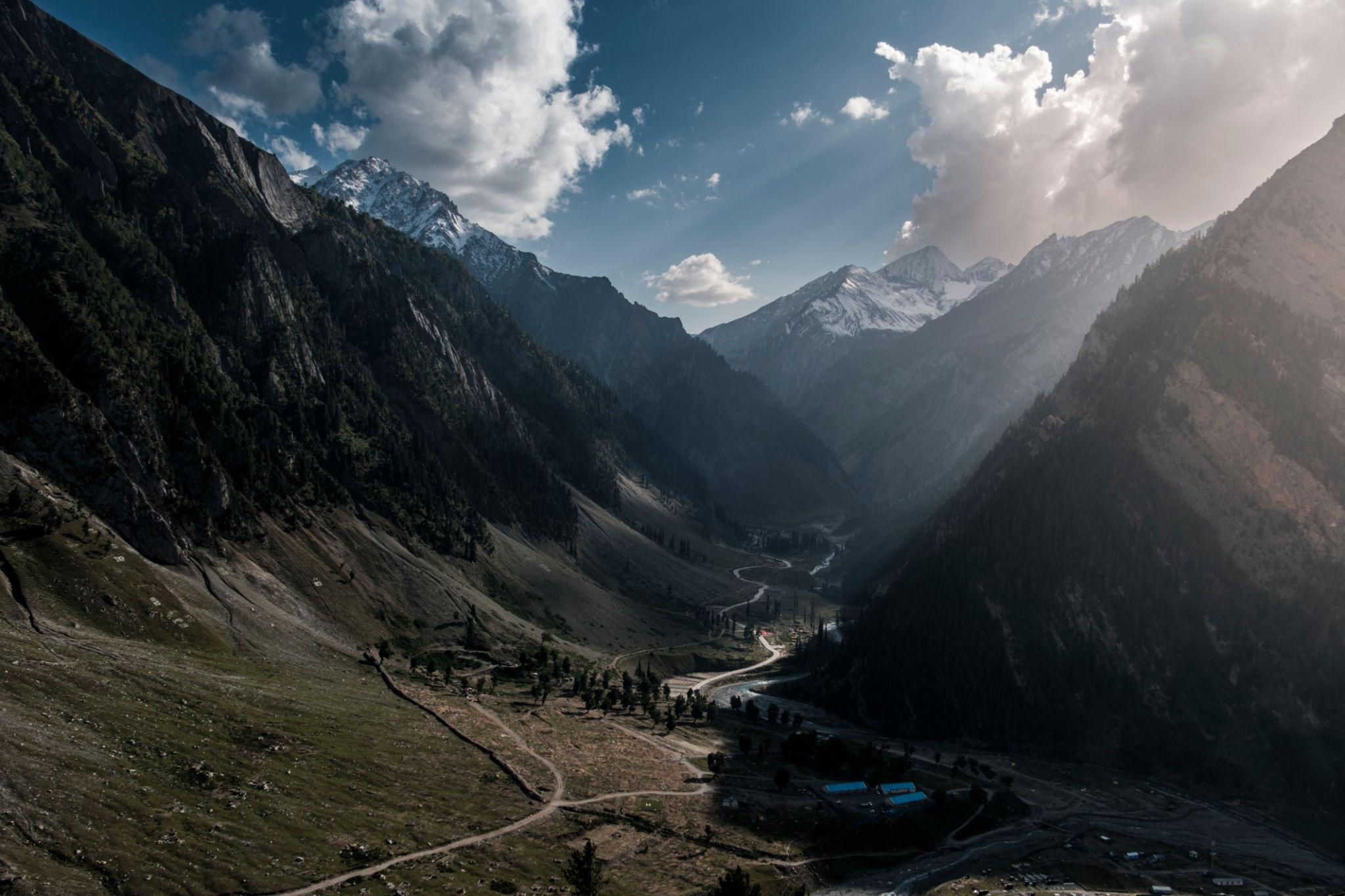
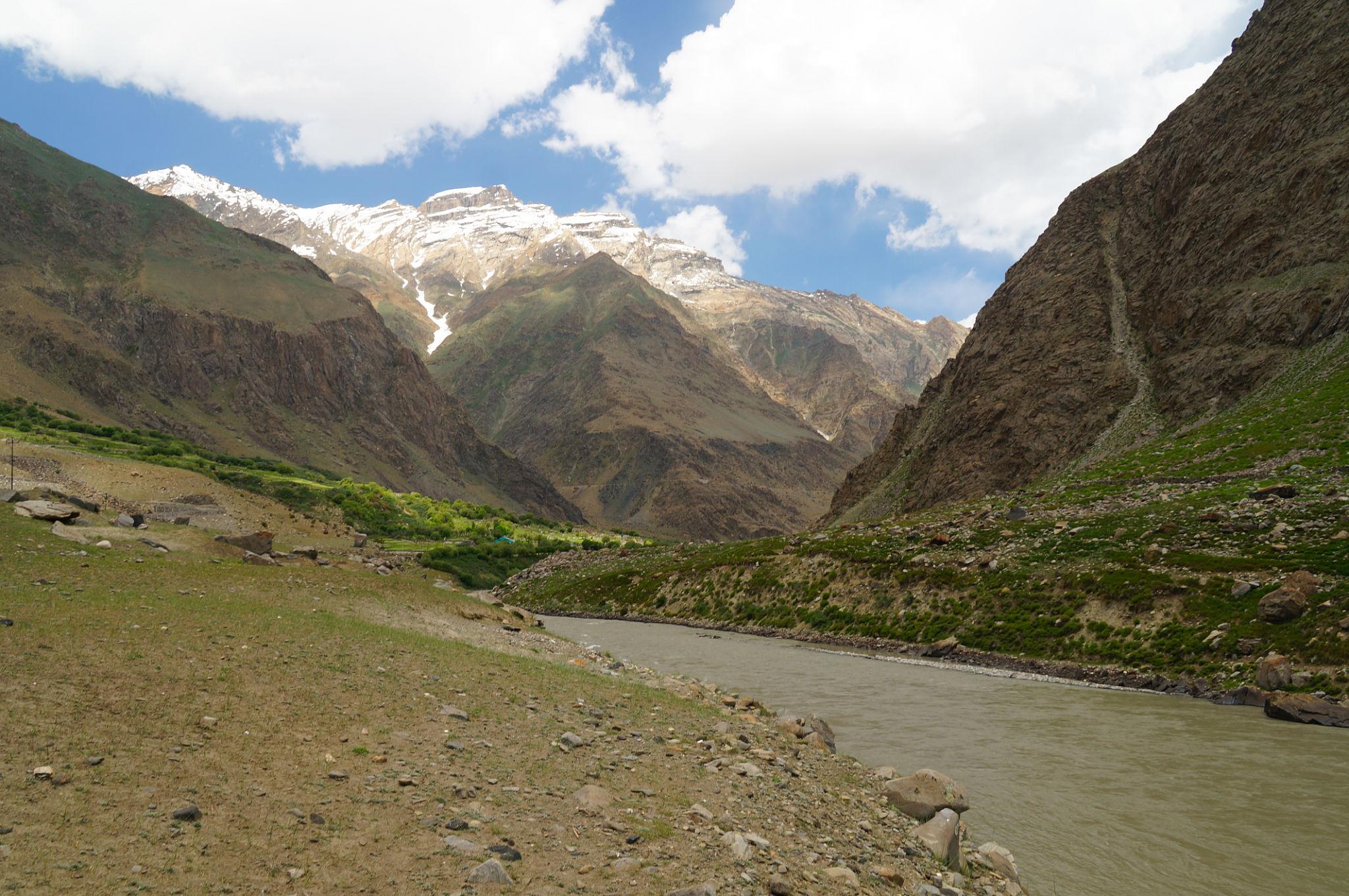
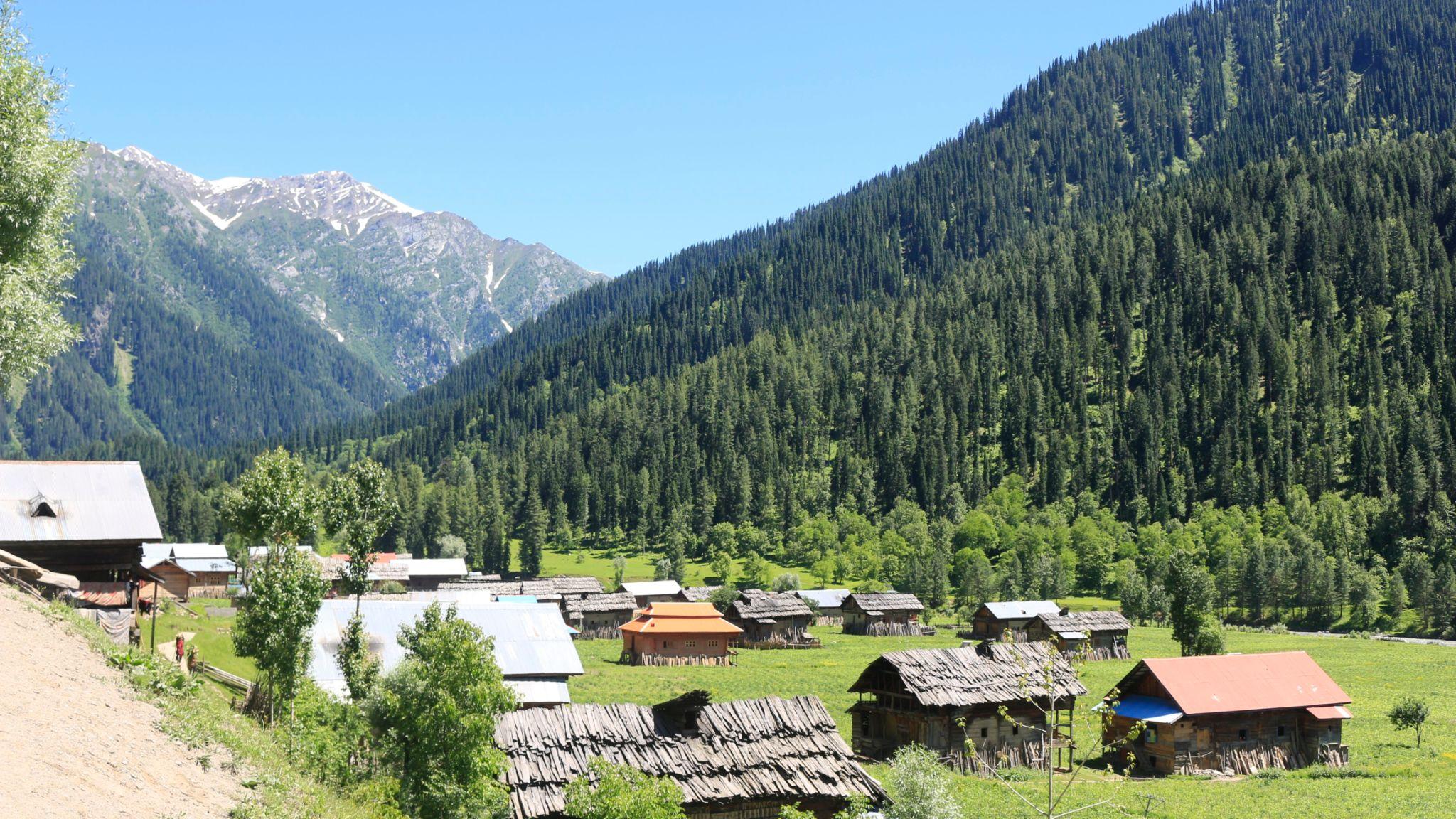
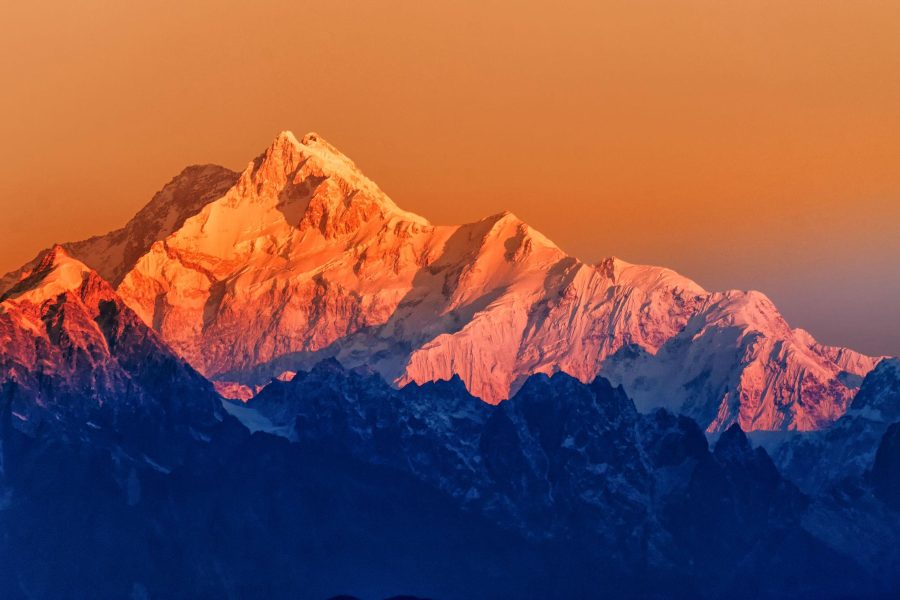
Nestled deep within the Himalayan wilderness of Warwan Valley, the Warwan Valley Trek remains one of the most untouched and unexplored trekking experiences in Kashmir. Unlike many popular Himalayan trails, Warwan offers a raw and authentic mountain journey filled with dramatic landscapes, remote villages, massive glaciers, roaring rivers, and breathtaking alpine scenery.
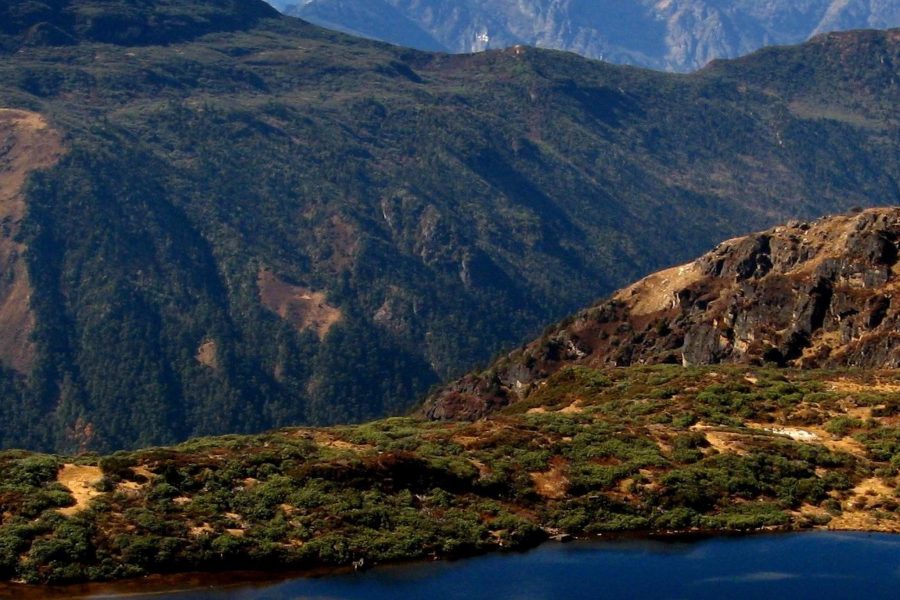
The adventure begins with a scenic drive from Srinagar to the beautiful Suru Valley, passing through the historic town of Kargil. After an overnight stay in Panikhar, the trek gradually unfolds into a stunning mix of landscapes featuring sprawling river basins, flower-filled meadows, glacial lakes, moraine fields, crystal-clear streams, and rugged mountain terrain.
As the journey progresses, trekkers cross high mountain passes and traverse alongside the magnificent Kaintal Glacier before descending into the enchanting valleys of Kashmir. The final sections of the trek pass through timeless Himalayan villages that still preserve the traditional culture and lifestyle of the region.
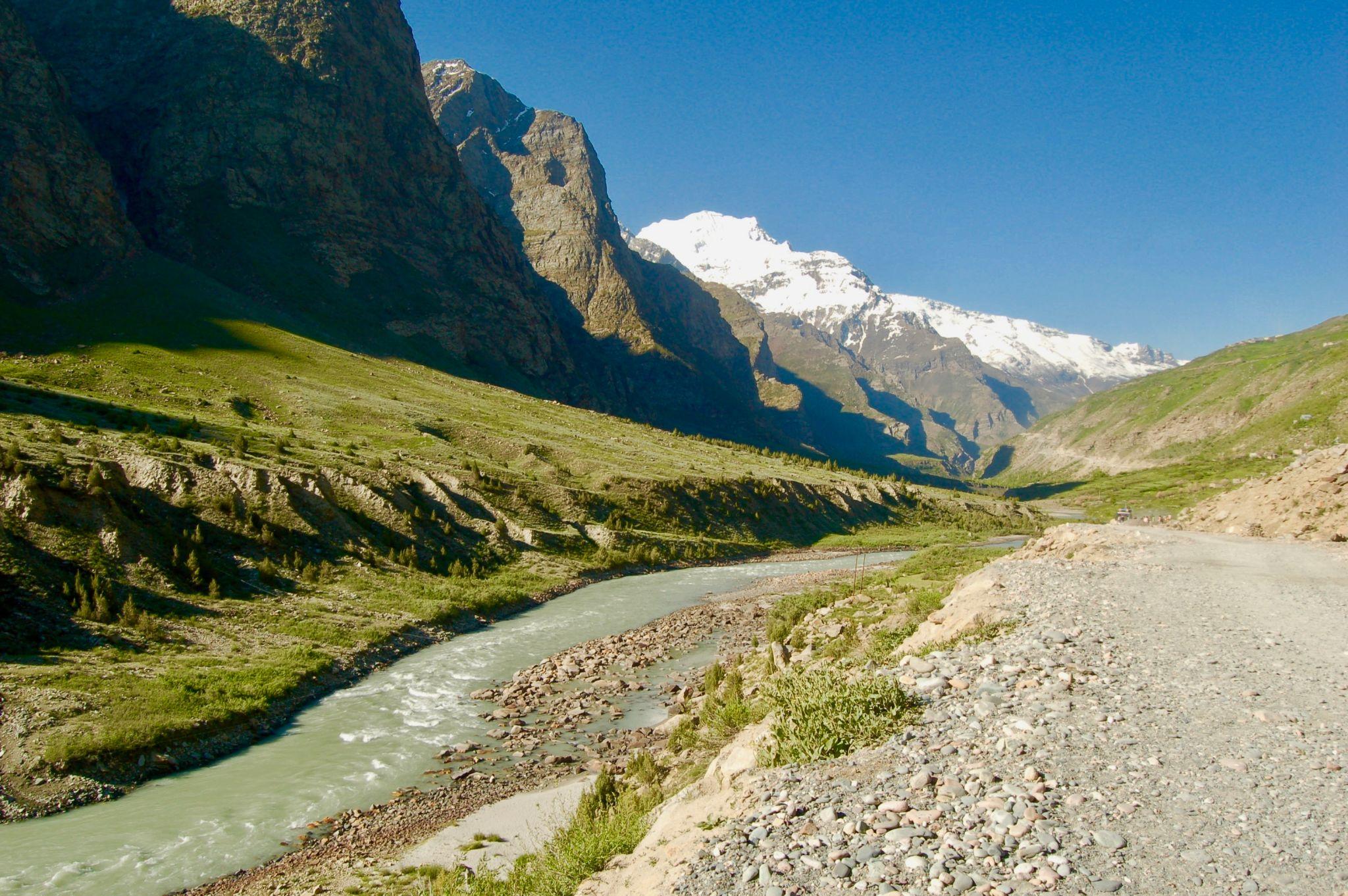
One of the most fascinating aspects of the Warwan Valley Trek is its incredible diversity of terrain and experiences. From dramatic ridgelines and thrilling river crossings to peaceful meadows and glacier walks, every day on the trail feels completely different from the last. Walking beside powerful rivers, crossing icy streams, traversing snowfields, and witnessing massive glaciers up close create a truly immersive Himalayan adventure.
The valley is also rich in Himalayan wildlife and natural beauty. Keep an eye out for playful marmots, wagtails, and other mountain birds that add life and charm to the peaceful wilderness around you.
Remote, rugged, and breathtakingly beautiful, the Warwan Valley Trek is a hidden Himalayan gem that offers a rare opportunity to experience Kashmir in its purest and most untouched form.
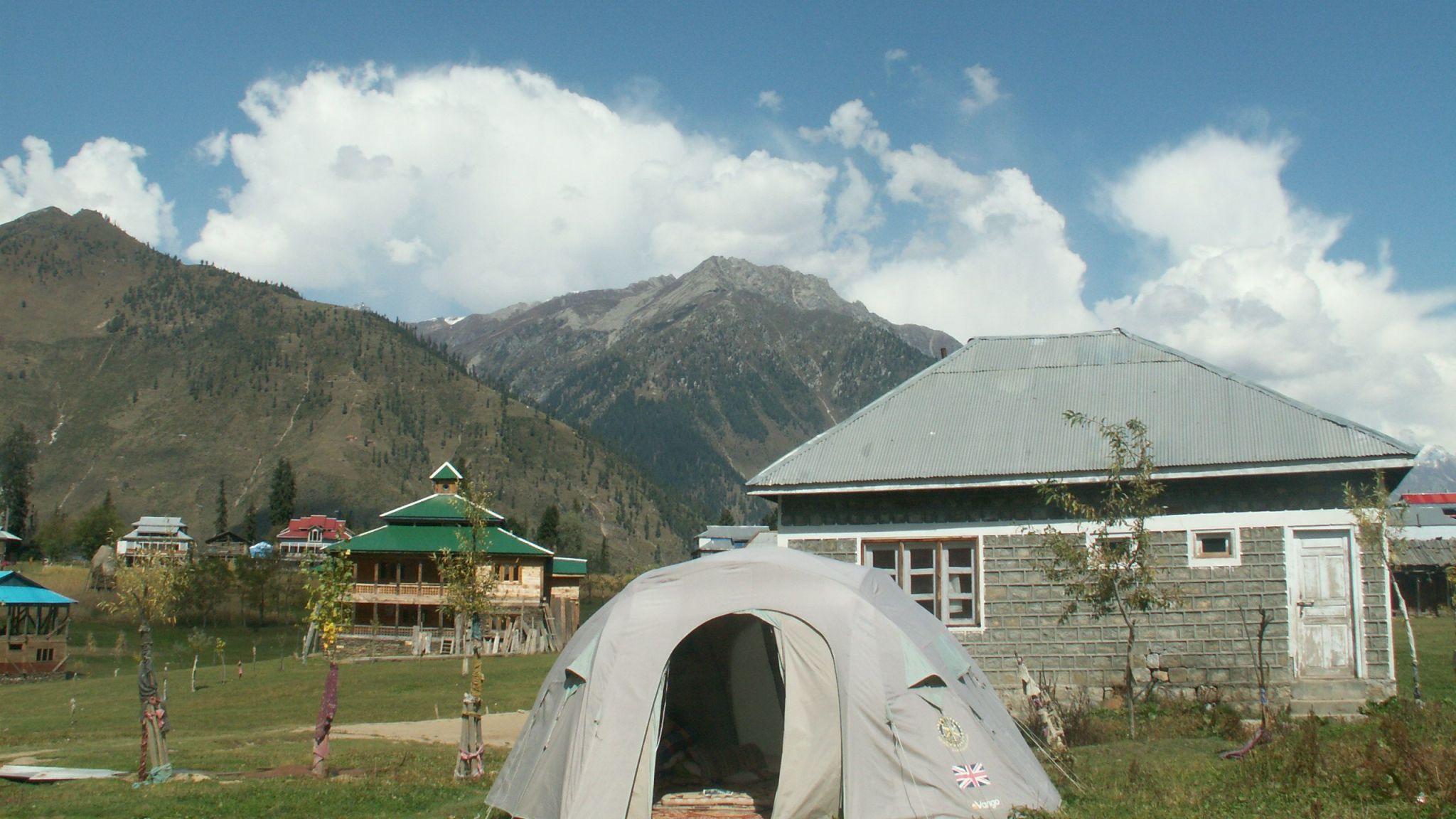
The journey begins with a breathtaking drive from Srinagar through the mesmerizing landscapes of Kashmir. Covering a distance of approximately 256 km, the drive takes an entire day and offers some of the most scenic mountain views in the Himalayas. The route passes through the famous Sonamarg, often referred to as the “Meadow of Gold.” As you approach the valley, the beauty of the region unfolds dramatically — snow-capped mountains rise on either side while the sparkling Sind River flows gracefully alongside the road. Charming villages, lush green meadows, paddy fields, and dense mountain landscapes accompany the drive, offering a true glimpse into the natural beauty of Kashmir. Continuing onward, the road gradually ascends towards the legendary Zoji La Pass, situated at an altitude of approximately 3528 m above sea level. This dramatic mountain pass serves as the gateway connecting the lush Kashmir Valley to the rugged landscapes of Ladakh. The winding roads and panoramic Himalayan views along this stretch are nothing short of spectacular. After crossing Zoji La, the landscape slowly transforms into the barren yet majestic terrain of Ladakh. Vast valleys, endless mountain ranges, and rugged cliffs dominate the scenery as the journey continues towards the Kargil region. Along the route lies Drass, famously known as the second coldest inhabited place on Earth. While winters here are extremely harsh, summer reveals a surprisingly peaceful and scenic mountain settlement surrounded by untouched natural beauty. A lunch halt here offers a chance to experience the quiet charm and traditional lifestyle of the local communities. The drive then continues through the bustling markets of Kargil before finally reaching the serene village of Panikhar in the beautiful Suru Valley. Surrounded by towering mountains, green fields, and peaceful landscapes, Panikhar offers a tranquil Himalayan retreat away from the chaos of city life. Located at an elevation of approximately 10800 ft above sea level, Panikhar is a small yet welcoming village known for its untouched beauty and warm hospitality. Since only a few small shops are available here, it is advisable to purchase essential supplies beforehand from Srinagar or Kargil before arriving at the campsite.
The first day of trekking embarks on an exhilarating journey to the shimmering Panikhar Nallah. The trail gracefully meanders alongside this sparkling watercourse before crossing a quaint bridge, leading you to the other side of the nallah. As you continue your trek, the village gradually fades into the distance, leaving behind a serene and untouched landscape. The path, wide and clear, winds through a narrow valley with a gentle ascent. The surroundings are stark and barren, with the barren beauty of the land contrasting against the lush vitality of the river on your right, cascading down in an elegant flow. The journey along this trail reveals a myriad of enchanting sights. A bridge crossing beckons, leading you toward a vibrant, grassy meadow where river streams meander through the lush greenery. As you proceed, you encounter a shepherd settlement, a peaceful scene that reflects the simple, harmonious life of the region. Not long after, the trail leads you to the picturesque Sumdo campsite, nestled at the confluence of two rivers, where nature’s elements unite in breathtaking harmony. The trail narrows as you approach the next section, transforming into a wide walking path. Continuing forward, the landscape unfolds with a dramatic curve, offering your first glimpse of two valleys merging ahead. Below, nestled between the intersecting valleys, lies Sumdo, your campsite for the day. The setting is nothing short of spectacular, with rivers, meadows, and majestic mountain chains framing the horizon—an idyllic sanctuary for weary travelers
On this day, your trek will involve crossing several river streams, each located close to the other. These multiple crossings will take approximately half an hour to navigate, with the cold waters numbing your feet as you wade through them. The Panikhar Nallah remains in close proximity, and the valley you traverse also harbors another shepherd settlement, adding a touch of life to the otherwise tranquil surroundings. To begin, you will remove your shoes, preparing to cross the streams that lie ahead. The path guides you toward the valley to the left, where you will stick to the right of the Nallah, which rushes down the valley with a sense of urgency. Immediately following the river crossings, you will be greeted with the expansive basin of Denora and Sumdo—a breathtaking sight that reveals itself in all its glory. The landscape here is vast and unending, with meadows dotted with vibrant wildflowers, painting the ground in a mesmerizing array of colors. After a short distance, you will come upon the meadow of Kalapari, where the tranquil river stream winds its way through the landscape. This will be your campsite for the day, a peaceful setting beside the flowing waters. This is the shortest and easiest trekking day of the journey, with a gentle gradient that offers a welcome respite. The remaining days will bring more challenging terrain, but for now, you can enjoy the simplicity and beauty of this serene day on the trail.
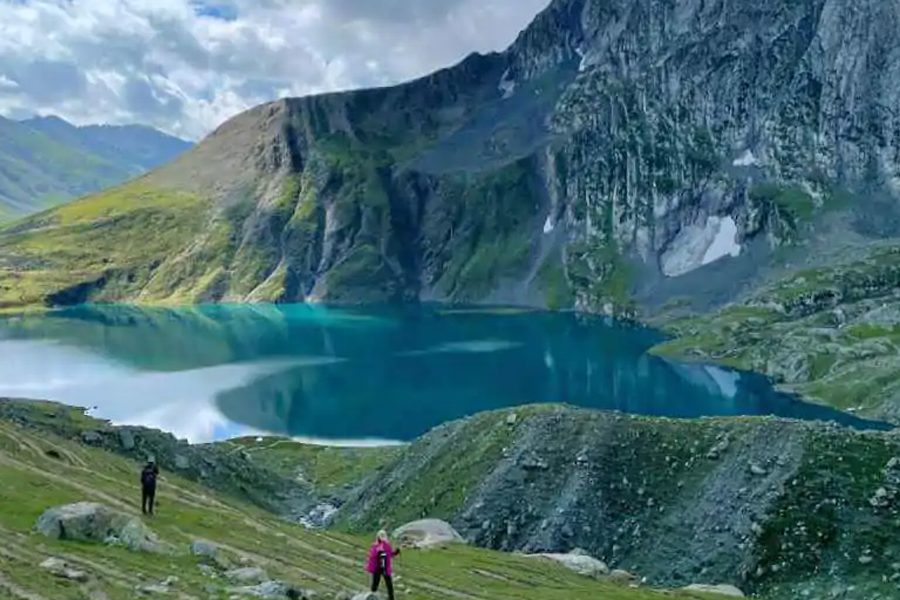
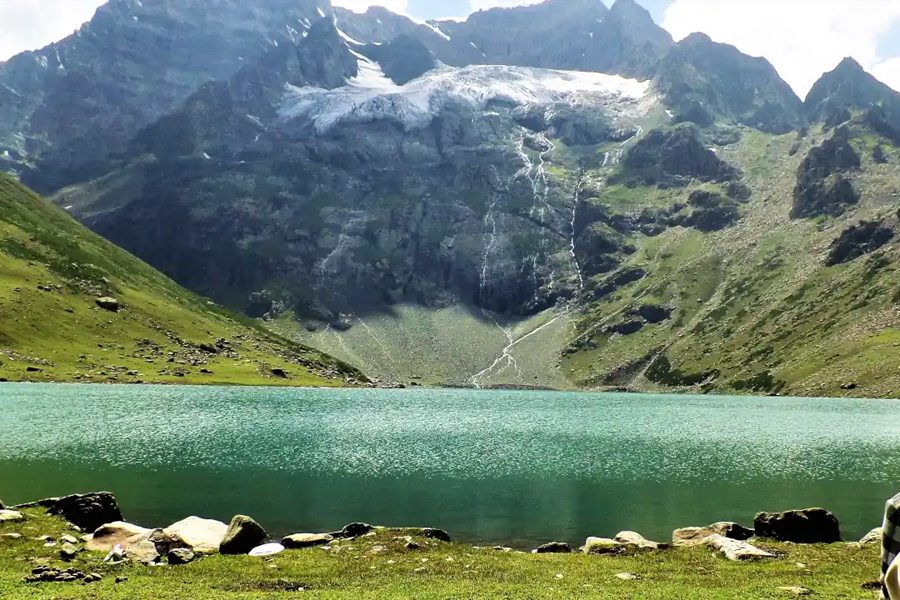
This day marks the longest and most challenging segment of the entire trek, demanding both physical endurance and mental fortitude. The day begins early, with a hearty breakfast to fuel your body for the arduous journey ahead. While the trail itself is well-defined, it is the sheer distance of around 17 kilometers and the glacier traverse that makes this leg particularly strenuous. The glacier walk does not require specialized equipment beyond trekking poles, making it a relatively safe maneuver, though the terrain through the moraines adds complexity. As you depart from the campsite, the trail leads you through the rugged moraines, offering a magnificent view of the Kalapari summit and glacier. A glance back from the top reveals your campsite in the distance, sprawling across the valley below, offering a panoramic vista of the surrounding landscape. Not long after, you will encounter the only lake on the trail—a stunning body of water fed by the glacier, with chunks of snow floating serenely on its surface. The path runs beside this shimmering lake, providing a dramatic view of the massive glacier, which stretches about one kilometer in width. This brackish glacier, known as Kaintal Glacier, is a breathtaking sight. After traversing the glacier, the trail takes you into a valley, where another glacier awaits. You will navigate through moraines before arriving beneath the towering Kalapari Mountain. Soon after, a steep ascent brings you to the pass, which sits at an altitude of around 14,550 feet. Along the way, you’ll encounter several lakes, most of which are nearly frozen, adding to the stark beauty of the scene. From the pass, vast snowfields unfold, gently sloping and easy to walk on. Following the general direction toward the valley opening on your right, you will make your way across these snowfields, a half-hour’s walk toward the valley’s edge. On your right, a nearly frozen lake comes into view, adding a touch of serenity to the harsh terrain. The descent from the pass is a challenge, particularly with the steep boulder section that can be tricky to navigate. However, as you approach the opening of the valley, you are rewarded with your first glimpse of what lies beyond. The descent continues through patches of snow, eventually leading to the famous Bracken Glacier. This section of the glacier is particularly icy and requires caution with every step. Afterward, the icy expanse gives way to rocky moraines, and soon you will be looking down at the Kaintal Valley. The trail in the valley begins on rocky ground before transforming into an expansive grassland. Your campsite for the night is nestled within this vast meadow, offering a peaceful and stunningly beautiful refuge. It will take over two hours of descent through the moraines to reach the edge of the glacier and the faint grassy area above. Another hour of descent through rough moraines brings you to the basin of the river emerging from the glacier's base. Though this is a physically demanding day, the campsite at the end of the journey is nothing short of a reward—an idyllic patch of heaven amidst the wild beauty of the landscape, offering a well-earned rest after a challenging trek.
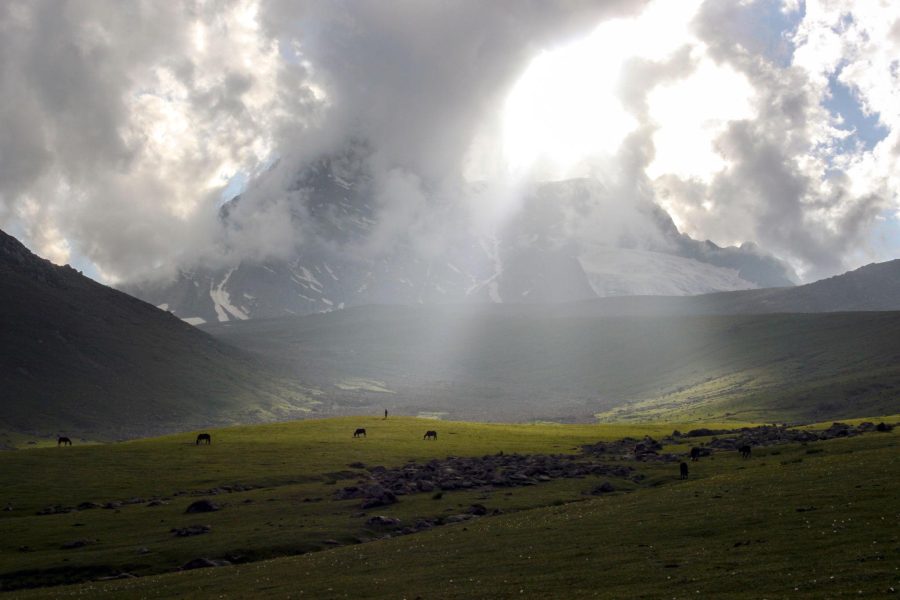
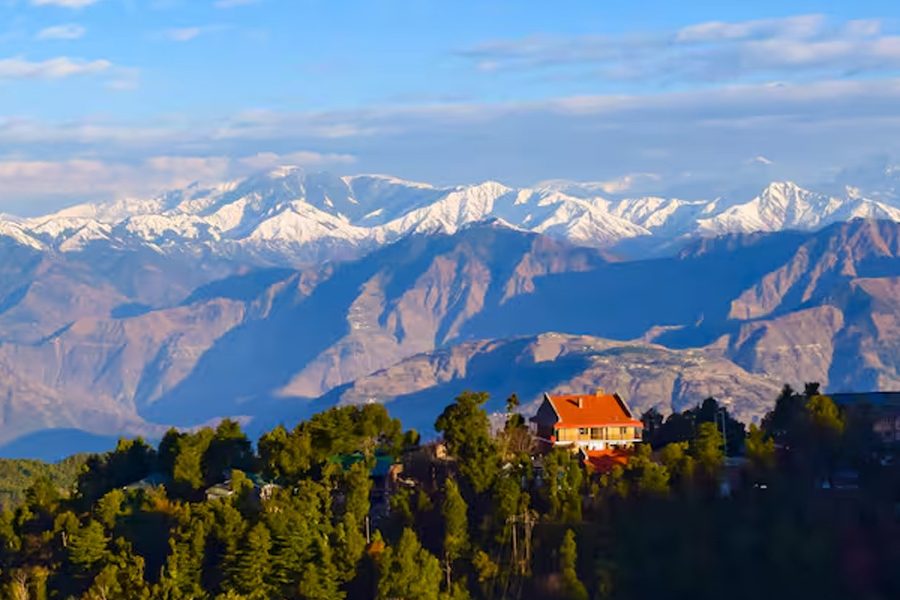
This day unfolds as a long and demanding journey, where continuous ascents and descents dominate the terrain. Leaving Kaintal, the trail meanders alongside the river, passing by quaint shepherd huts, offering glimpses into the region’s pastoral life. Along the way, you'll encounter numerous river streams until reaching Humpet, adding a dynamic rhythm to the trek. The expansive grass fields and meadows stretch endlessly, with horses grazing peacefully, creating a picturesque scene of rural tranquility. In a short span, the trail ascends to the top of a hump, unveiling a breathtaking panoramic view. There are several such humps along the route, each offering its own stunning perspective of the landscape, as you make your way toward the next campsite. As you progress, the trail crosses a series of river basins. After nearly every stretch of grassland, you will face a couple of shallow but chilly river crossings. While the water is not deep, its coldness will prompt you to remove your shoes to ford the streams. One notable feature along the way is the Sar Grassland. After passing through this vast expanse of green, the Bracken Glacier fades from view. A few hours into the trek, you will be rewarded with a magnificent view of Humpet. From Humpet, you are granted a striking contrast of landscapes. To the west, the lush, verdant mountains of Kashmir stretch far into the distance, while to the east, the barren, rugged peaks of Ladakh rise starkly against the sky. The view encapsulates the dramatic contrast between the two regions, offering a glimpse into their distinct natural beauty. The campsite at Humpet is set in a serene grassland, surrounded by the rugged wilderness. From this tranquil spot, you are treated to a magnificent view of the shepherd village of Thangkam, adding a charming, human touch to the otherwise remote and expansive landscape.
This day on the trek takes you on a lengthy downward journey towards the serene Sukhnai Valley. Along the way, you are treated to a view of the route that leads to the sacred Amarnath Yatra. Sukhnai is nestled in the Warwan Valley, an area renowned for its biodiversity, boasting 285 plant species, of which 26 are considered threatened, adding to the uniqueness of this picturesque region. The day begins with a steady ascent before transitioning into a long descent that lasts for about four hours. As you make your way down, the trail brings you through lush grasslands, leading to the charming and serene Sukhnai Village, a peaceful haven in the heart of nature. A couple of hours into the trek, you will reach a junction where a crystal-clear river merges with the Kaintal Nala, forming a wider, more powerful river. To one side, you’ll see the mountain range that leads to the famed Sheeshnag Lake, a prominent stop along the Amarnath Yatra route. From this junction begins the captivating Warwan Valley, a narrower and more intimate landscape that unfolds before you. The valley is dotted with several river crossings, reminiscent of the previous days' terrain. The trail is well-marked and steady, though you will encounter a bridge crossing, with a nearby path leading toward the revered Sheeshnag Lake. During this day, you will navigate overhanging sections of the trail, so it’s crucial to remain cautious and deliberate with each step. With confidence and care, you will safely traverse these sections, taking in the beauty of the surroundings. Not long after, you will be rewarded with a stunning vista of Sukhnai—vast expanses of verdant grasslands stretching before you. Another two hours of trekking will bring you to Sukhnai Village, where the path winds through farms enclosed by short fences, evoking the idyllic countryside charm reminiscent of European rural landscapes. This part of the trek is particularly enchanting, offering an unparalleled beauty that captures the essence of a peaceful, pastoral life.
Buffer day or Rest day, thoughtfully built into the itinerary to allow for recovery or to account for any unforeseen delays, such as inclement weather. If we encounter a rainy day or any other reason requiring us to adjust the schedule, this day serves as a backup to ensure we stay on track. The day is to rest and recuperate, allowing everyone to recharge before continuing with the trek. One may choose to bask in the sun, read a book, swim in the nearby waters, meditate, or simply reflect on the journey thus far. It's also a perfect opportunity to soak in the beauty of your surroundings and explore the region around the campsite at a leisurely pace. Breakfast will be served at a leisurely time, allowing you to fully rest and enjoy the morning. Later in the day, we will have a hot lunch, followed by evening tea with snacks, soup, dinner, and a sweet dish. This day offers a much-needed respite in the midst of the trek, allowing everyone to relax and fully enjoy the serene beauty of the landscape, both physically and mentally.
The final day of this remarkable trans-Himalayan trek marks the culmination of your adventure, leading you through the serene beauty of vast grasslands, the tranquil Marwah River, and the charming village of Rekenwas. The trail, filled with a series of ascents and descents, weaves through the landscape, and after a few hours of walking, you will be greeted by the picturesque Rekenwas village. The highlight of the day is the succession of untouched, pristine villages along with the flowing Marwah River. One such village is Basmina, a slightly larger settlement than the others, exuding a charming, rustic vibe. With a handful of shops and a bustling atmosphere, it stands as a testament to the simple, traditional life that remains largely unaffected by modern influences. The villagers, warm and curious, will likely ask you where your travels have taken you, offering a genuine welcome and insight into their way of life. The village is nestled beside a river, adding to its peaceful, scenic appeal. From Basmina, the trek's endpoint—Chaudraiman—lies just 5 kilometers away. By evening, you will arrive at the campsite, bringing your incredible journey through the trans-Himalayan landscape to a satisfying close. This final day of trekking offers both a reflective sense of completion and a deep appreciation for the unspoiled beauty of the region.
This marks the final day of your tour, as you embark on the drive from Chaudraiman back to Srinagar. The journey is a scenic one, beginning with an ascent to the renowned Margan Top, where the views are nothing short of breathtaking. From there, the road begins its descent into the Anantnag district, meandering through picturesque villages and lush orchards, offering a glimpse of the serene rural life. As the road continues, it eventually merges with the bustling NH1 highway, leading you back to the vibrant city of Srinagar. This long drive provides a reflective end to your trek, with stunning landscapes unfolding along the way.
Backpack 40–50 Lt with rain cover – Goes on the horse/porter
– Day Pack 15–20 lt with rain cover- to carry your camera, water bottle, trail layers, trail food etc.
- Trekking Shoes: Please do not wear sports shoes as on most treks, as we go higher it gets harder to use sports shoes
-2 -3 pairs of trekking socks.
– 2 pairs of woolen socks – ideal to sleep in and best to use when in camp. We do not recommend them while trekking
– Pants: 3 pairs (including the ones you wear) – Ideal are the quick dry trekking pants.
Alternatively, track pants are also comfortable to trek in.
– T-shirts 3 pairs (including the ones you are wearing) – Preferably quick dry, full sleeve t-shirts You can also choose to get T-shirts with collars, they offer extra protection for the neck from sunburns.
– Fleece Jacket
– Rain & Wind Protection
– Down filled / Hollow fiber fill insulated Jacket
– Thermal liners – 1 pair upper and lower (optional).
– Warm Cap
– Gloves
– Sun Cap
– Sunglasses with UV protection.
– Toiletries – sunscreen SPF 40+, moisturiser, lip balm, soap, toilet paper.
– – Repair Kit (needle and thread).
– Headlamp/ Torch
– Camera
– Water Bottle- Ideally keep two bottles 1 litre each.
– Trekking Pole – Optional.
– Plastic Packing covers. (Please pack all your gear in waterproof plastic bags so that your clothes etc do not get wet while on horses or porters. Also, carry extra plastic bags in case you need to pack wet clothes.)
We provide highly skilled and experienced trek guides to ensure your safety throughout the journey. Their expertise will enhance your trekking adventure, ensuring both enjoyment and security at every step. All of our trek leaders are certified Medical First Responders.
Mountain Trails Kashmir is renowned for its strong focus on safety. We uphold the highest safety standards by providing essential equipment, medical support, and well-trained personnel to manage any emergencies that may arise during the trek.
We supply top-quality hiking gear, including waterproof tents, -15°C sleeping bags, and other essential trekking equipment. This ensures trekkers enjoy a comfortable and pleasant journey throughout their adventure.

Member Since 2026