14 days
Specific Tour
16 people
___
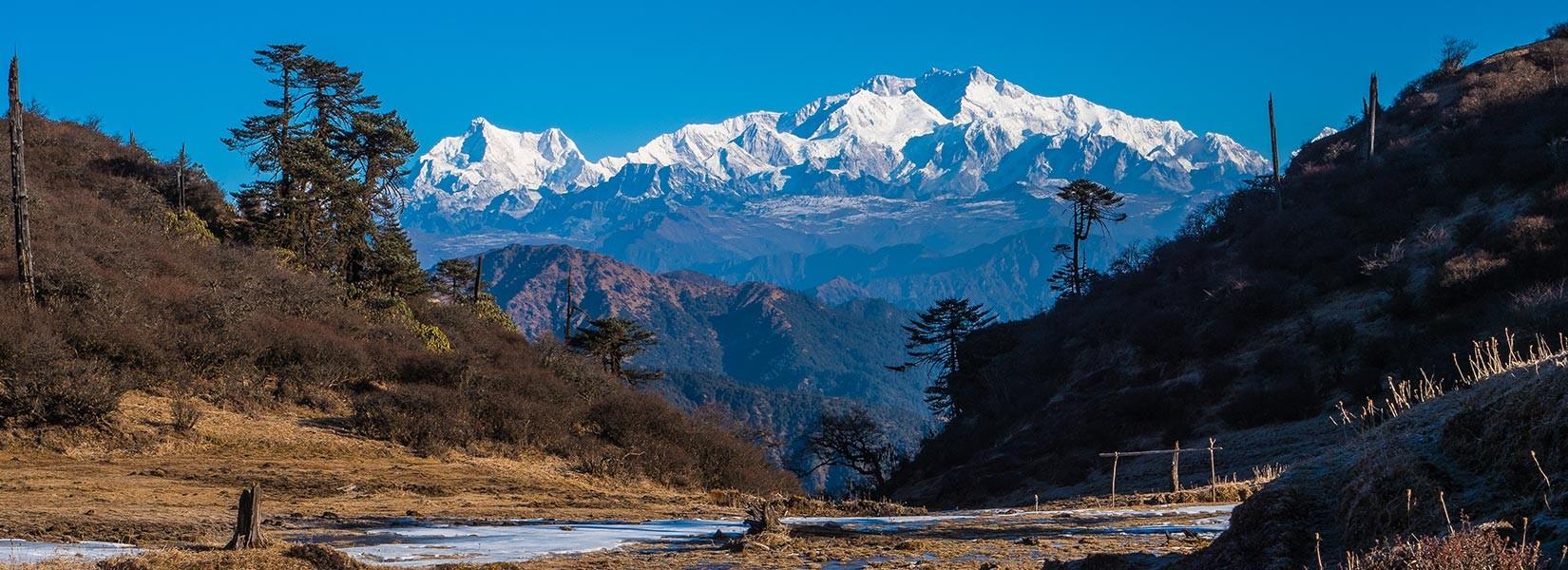
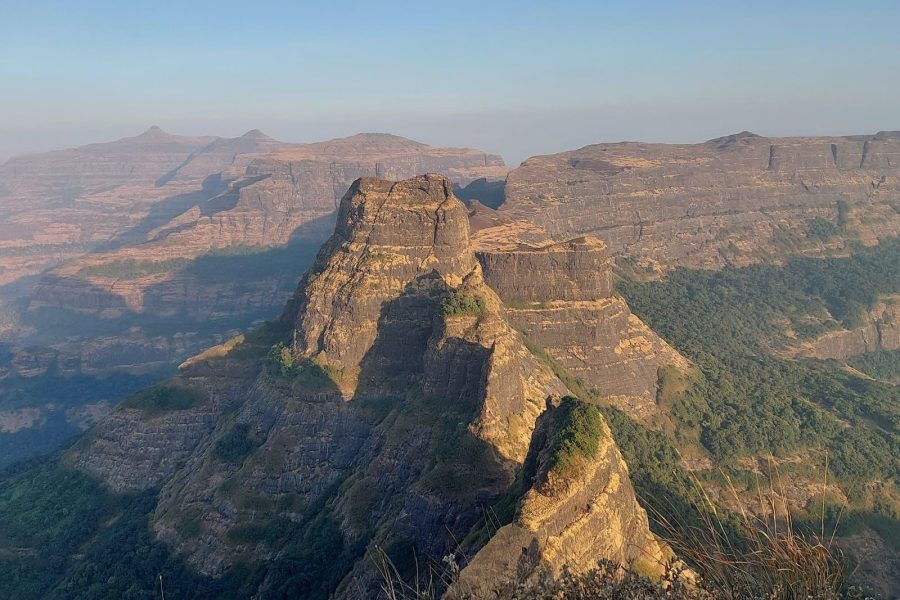
Opened to trekkers only in the early 2000s, this Kanchenjunga Round Trek remains one of the lesser-explored routes in the Indian Himalayas and is considered among the finest high-altitude treks in the region. The journey from Chiwabhanjang to Dzongri offers spectacular mountain views right from the beginning, making the entire experience exceptionally rewarding.
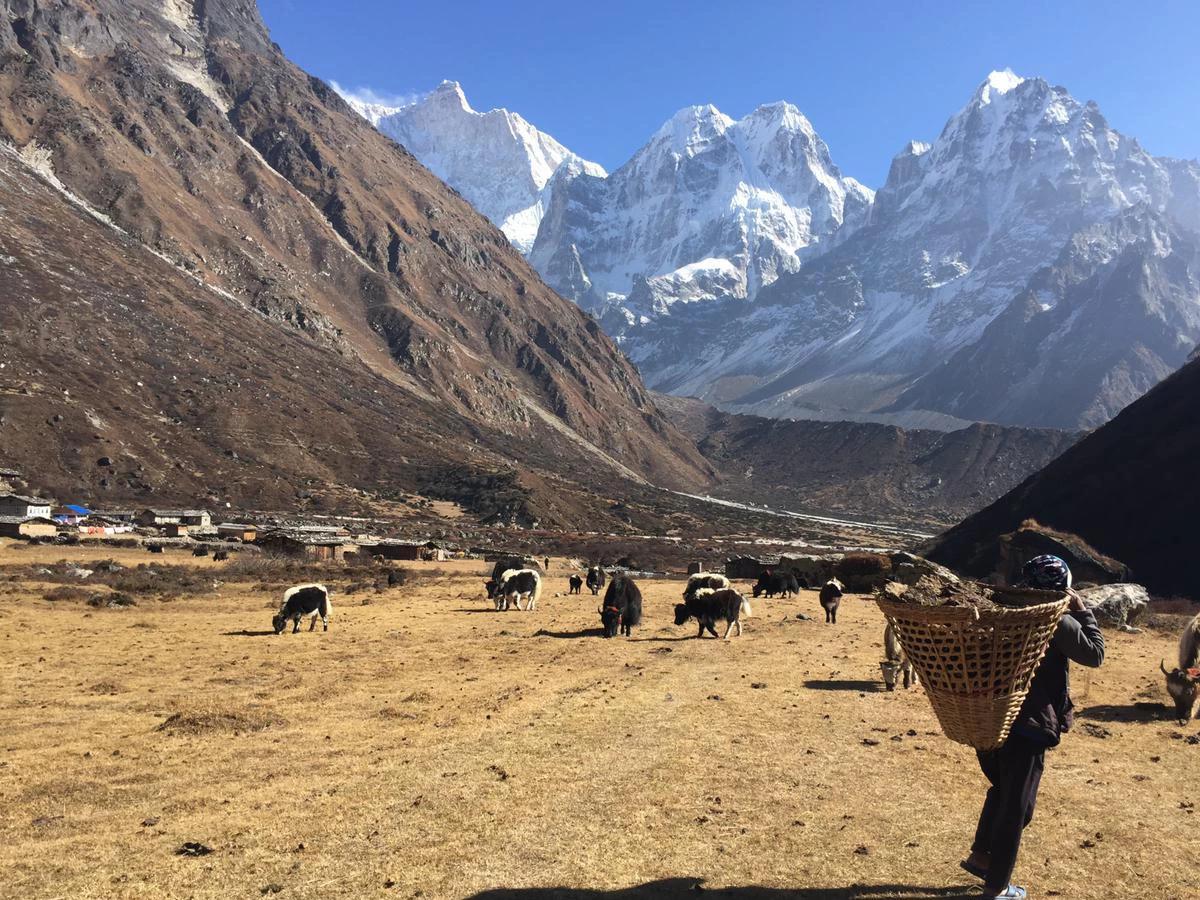
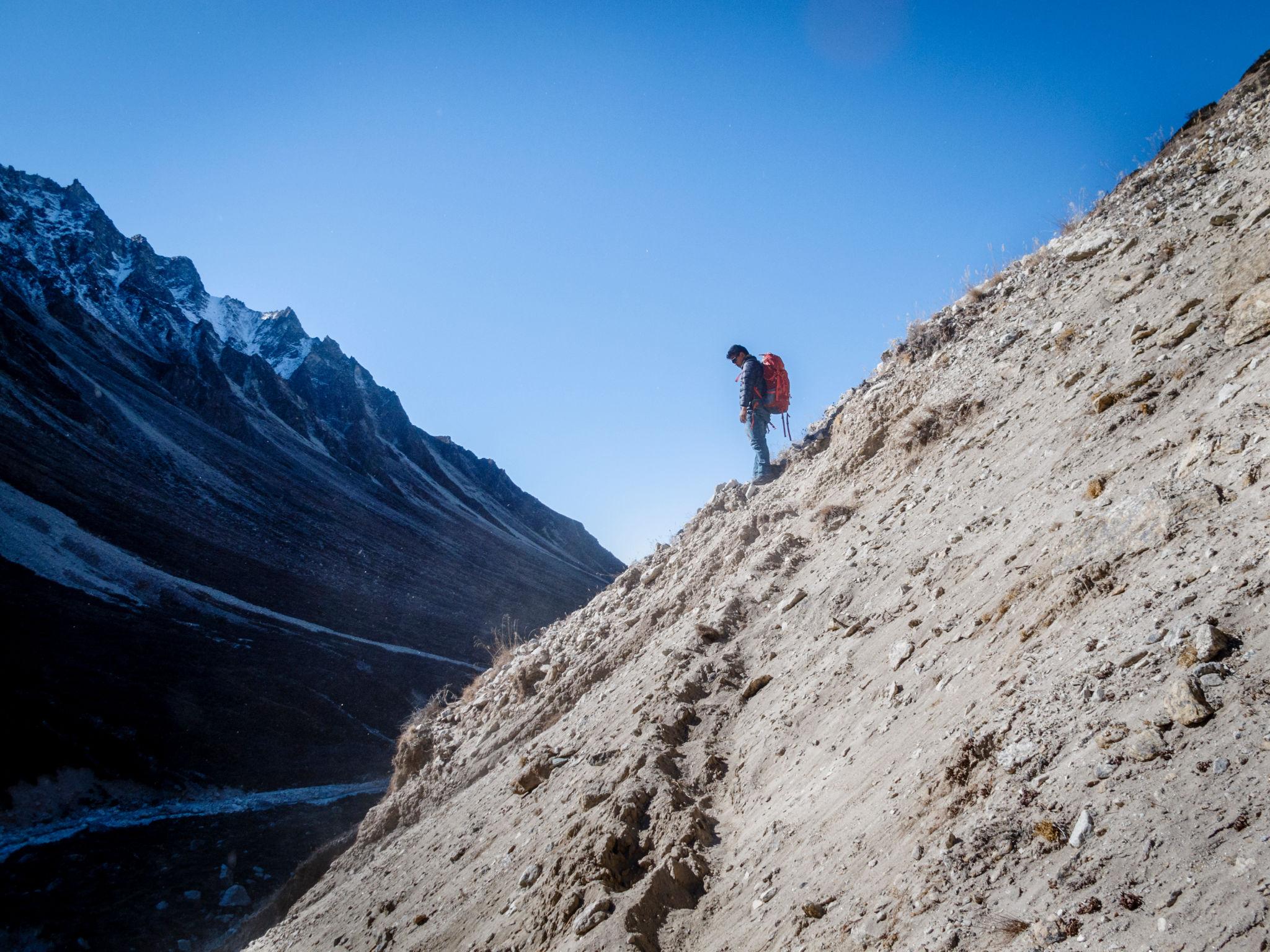
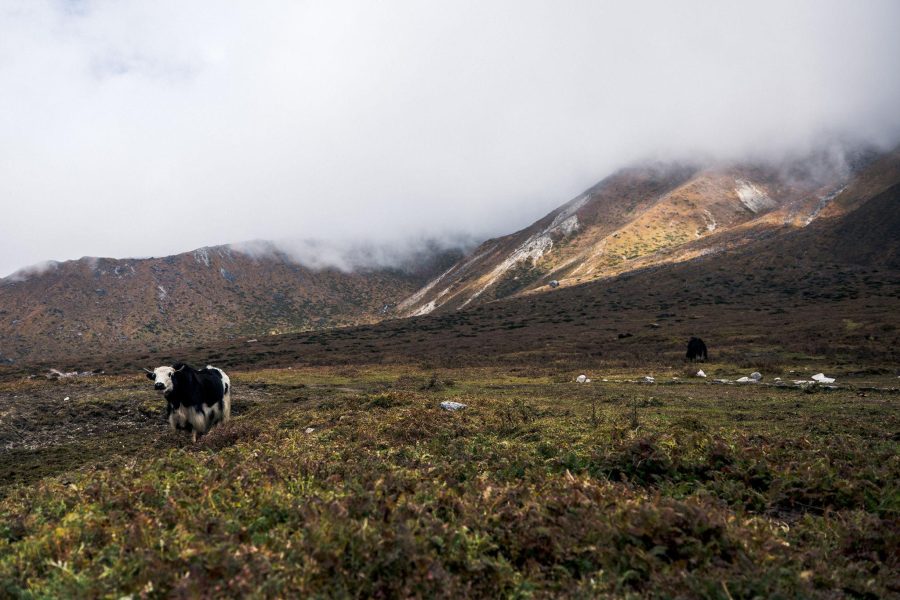
One of the unique aspects of the trek is the opportunity to interact with yak herders and their large herds, who spend the months between April and October grazing across these remote alpine landscapes. Much of the trail runs along or close to the Indo-Nepal border, with certain sections passing through both India and Nepal. While the route includes narrow ridges, steep ascents and descents, and occasional scree sections, the trail is generally well-established and primarily used by local yak herders from Sikkim and Nepal.
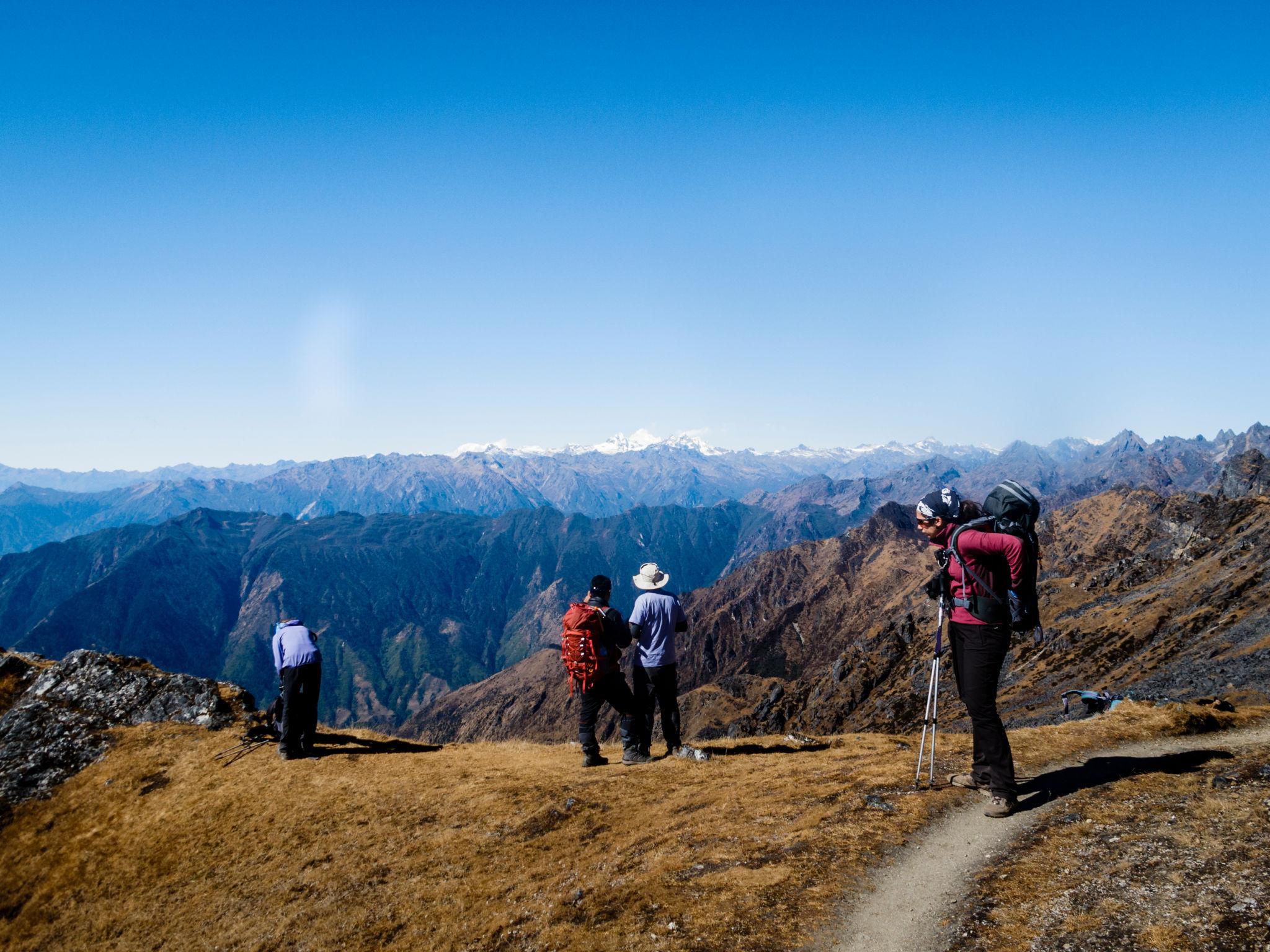
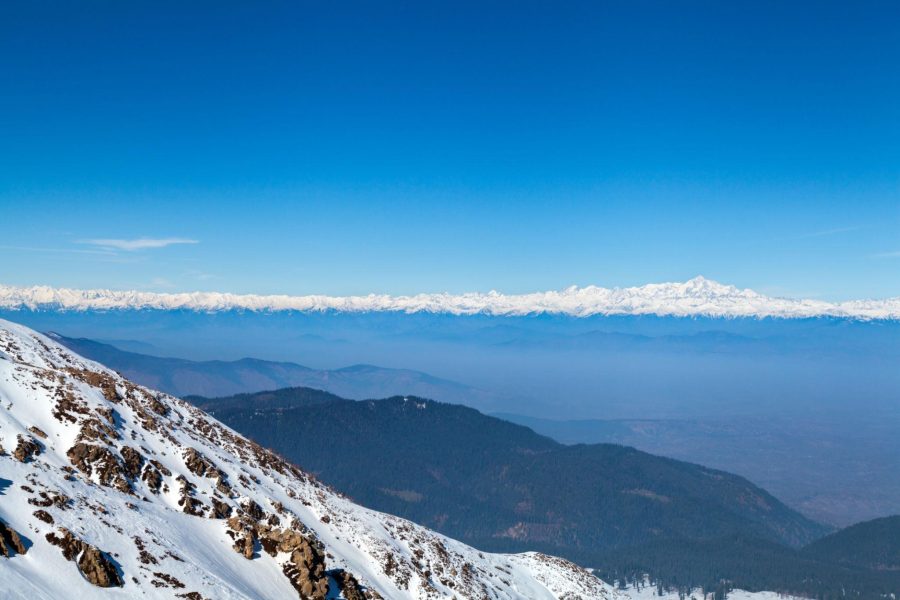
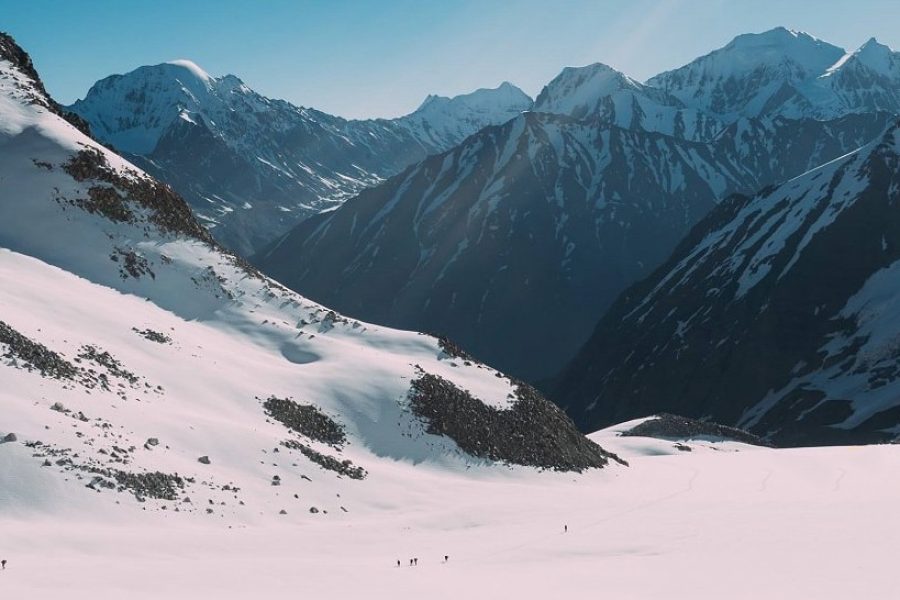
The trek begins from the charming Himalayan village of Uttarey and initially passes through dense forests for nearly two days, crossing several Indian Army posts before reaching Chiwabhanjang. Beyond this point, the trail rises above the tree line and follows dramatic mountain ridges with breathtaking panoramic views on both sides and towering snow-covered Himalayan peaks in the distance.
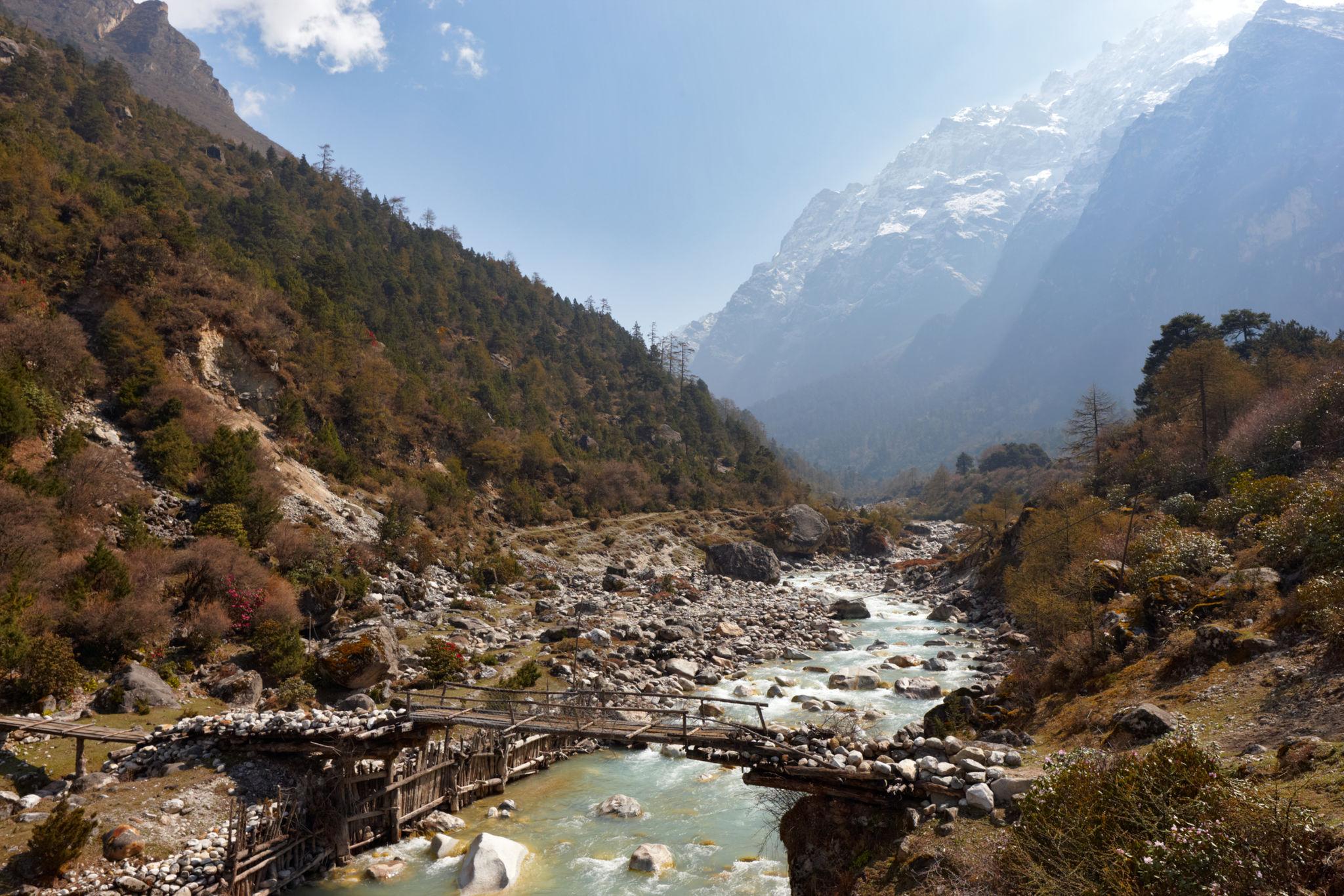
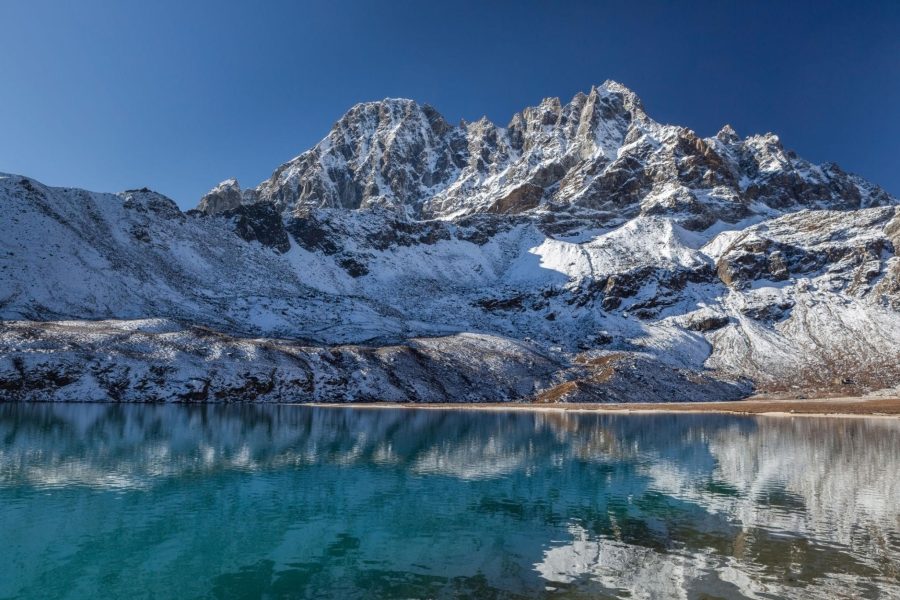
Further ahead, near Parey Megu, the route passes several pristine high-altitude lakes that are deeply revered by the local communities. The trail also crosses multiple unnamed mountain passes, including the notable Dafeybir Pass, which is often covered in mist and followed by a steep descent toward the valley below.
Eventually, the trek joins the famous Yuksom–Dzongri–Goechala Trail at Dzongri before continuing onward to Goecha La, situated at an elevation of approximately 16273 ft above sea level. From here, the mighty Kanchenjunga appears astonishingly close, standing just about 9 km away in a straight line.
Over the following days, the journey concludes with a drive to Yuksom, the historic former capital of Sikkim, where the first Chogyal (king) of Sikkim was crowned. The village still houses the historic Coronation Throne, adding a cultural and historical dimension to this extraordinary Himalayan expedition.
The best seasons for this trek are Spring (March to May) and Autumn (September to November) when the climate conditions are moderately milder. The climate is charming, with moderate temperatures. During the favored season, the climate gives the best for the trek; the climate stays moderate, and you can get the best out of the trek. The mountain scenes are without a doubt staggering. The blossoming backwoods and shocking scene along the path are no less mysterious during the favored season. What's more, there are fewer odds of outcomes except for the group.
The temperatures sway between 12 to 15 degrees in the daytime and fall to 3-5 degrees around evening time. Higher elevations see a further drop to chilling below zero degrees. It can be really snowy and very cold around the trek.
Kanchendzonga Round Trek has an accumulation of snow along the elevated part of the trails. Yes, it can be done on snow. The Kanchendzonga Round Trek is coated with snow mostly.
The best seasons for this trek are Spring (March to May) and Autumn (September to November) when the climate conditions are moderately milder. The mood is wonderful, with moderate temperatures.
Kanchendzonga Round Trek is a high-altitude trek. You need to be fully prepared for the comfortable completion of the trek. All the essential kinds of stuff required for the trek such as Rucksack, 2 pairs of quick-dry T-shirts and trek pants, 2 pairs of socks, trekking shoes, fleece, sunscreen SPF 50+, towel, lip balm, headlamp/torch, water bottles of 1 liter, and personal medicines should be available with you. For a complete checklist, download the checklist from the footer. Make sure that you have all these things before the start of the trek.
Kanchendzonga Round Trek is a 16-day long trek and hence backpacks, raincoats and other types of equipment are necessary. Backpacks and raincoats including other items will not be available for rent by us. These are the things you need to bring on your own. You can check our website to make sure that you know about all the things that you need to carry by yourself on this trek. It is advised to carry all those things for your convenience. The only accessories that we will provide on rent for this trek are trek poles and ponchos. All the other necessary items or equipment are not available for rent by our side.

Member Since 2026