11 Days
Specific Tour
16 people
___
The Goecha La Trek is one of the most spectacular high-altitude treks in India, offering breathtaking Himalayan landscapes, dense forests, alpine meadows, glacial lakes, and unforgettable sunrise views over the Kanchenjunga range. Rising to an elevation of approximately 15100 ft above sea level, the trek is located in Sikkim, one of the most scenic and culturally rich regions in the country.
Known for its peaceful mountain atmosphere, clean surroundings, and unique Himalayan culture, Sikkim offers a completely different experience compared to most other parts of India. The local traditions, food, clothing, and lifestyle create a distinct cultural identity, while the warmth and hospitality of the people make travelers feel welcomed throughout the journey.
The complete Goecha La Trek covers a distance of approximately 90 km and is usually completed over 11 days. One of the biggest highlights of the trek is its proximity to the massive Himalayan peaks near the Nepal border, allowing trekkers to witness spectacular panoramic mountain views throughout the route.
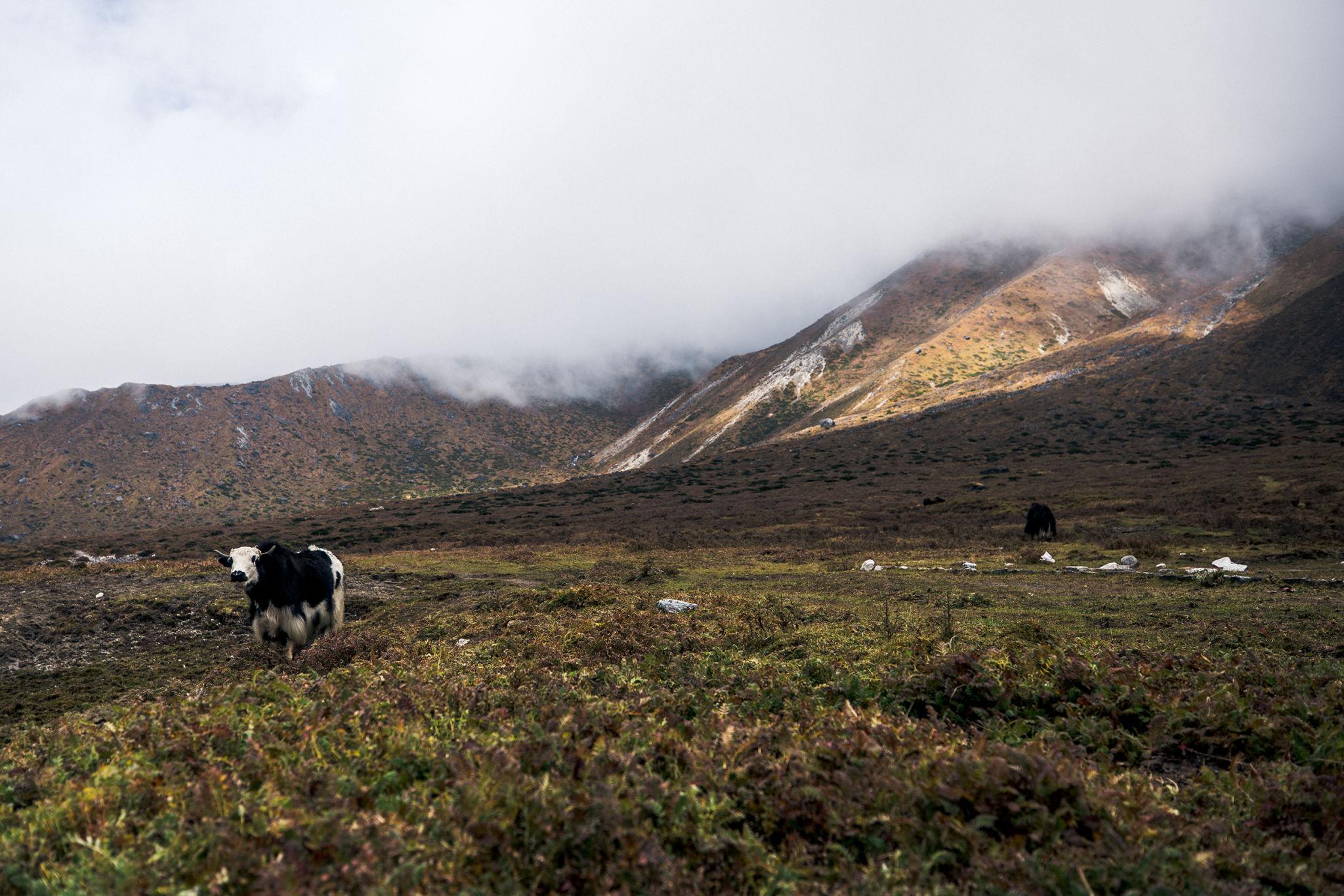
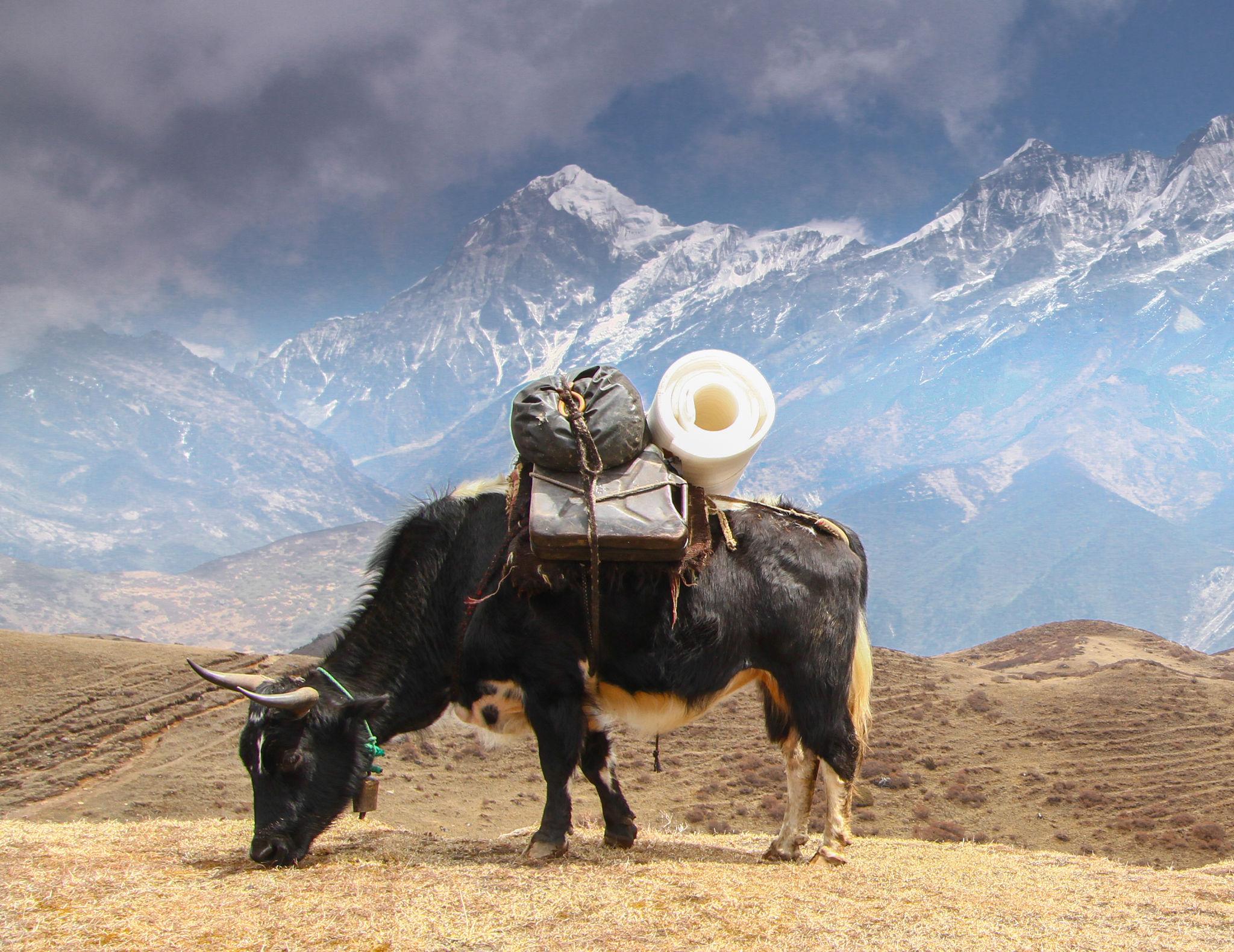
The trek begins from Yuksom, which serves as the basecamp for the expedition. From here, the trail gradually ascends towards Sachen, crossing multiple suspension bridges and forested sections where animals such as yaks and mules are often spotted.
The route then continues towards Tshoka and Bakhim, where the climb becomes slightly more demanding. These sections are surrounded by dense rhododendron forests, alpine vegetation, and mountain landscapes that become especially vibrant during the flowering season.
One of the most important stops on the trek is Dzongri, a stunning high-altitude meadow and acclimatization point offering panoramic Himalayan views. Many trekkers spend additional time here exploring the surrounding landscapes and local culture before continuing higher into the mountains.
Beyond Dzongri, the trail passes through beautiful Himalayan locations including Lamuney and the breathtaking Samiti Lake before finally reaching the famous Goecha La viewpoint region.
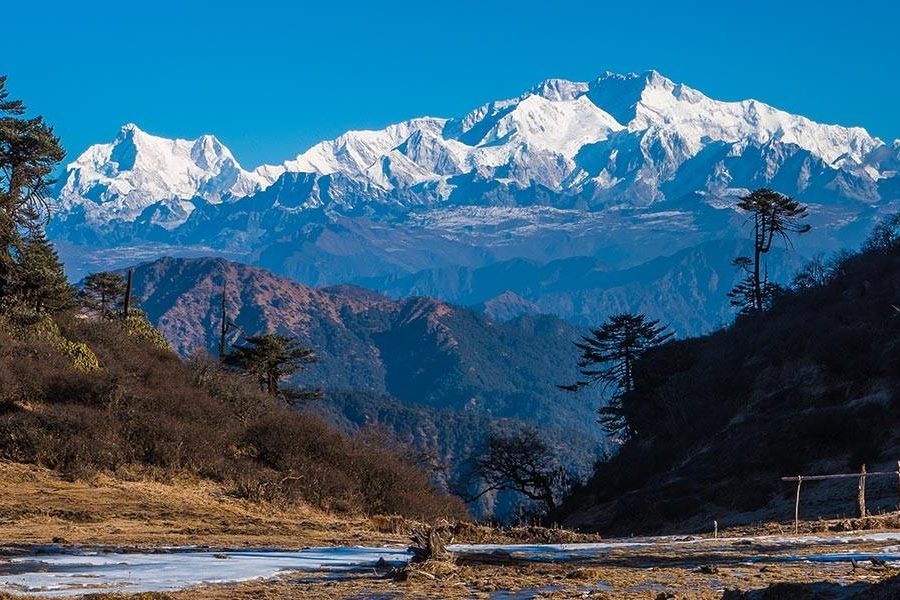
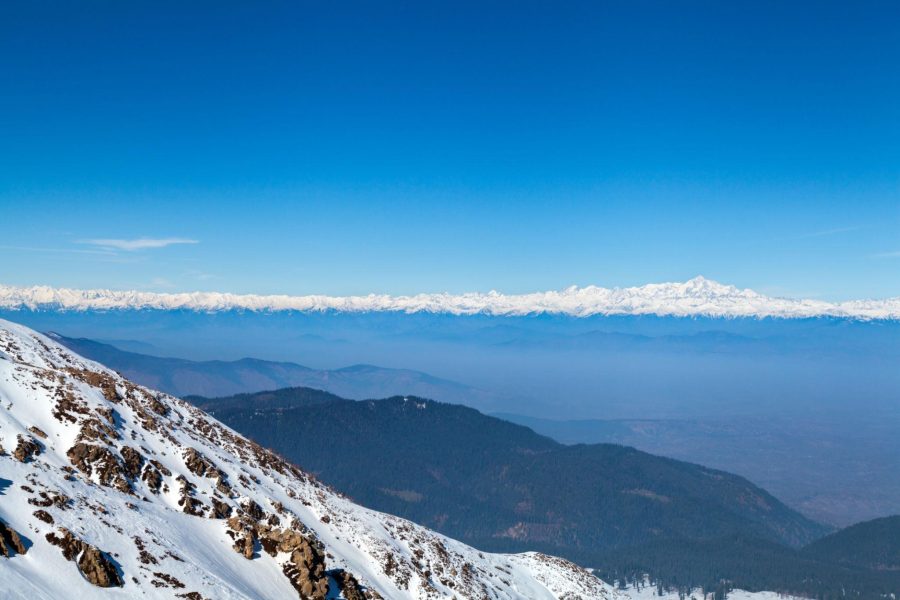
The trek is especially renowned for its spectacular sunrise views over the Kanchenjunga range. Although access to the actual Goecha Pass is restricted, viewpoints such as Viewpoint 1 and the Dzongri viewpoint offer equally magnificent views of the first sunlight illuminating the snow-covered Himalayan peaks, creating one of the most unforgettable mountain experiences in India.
One of the major highlights of the Goecha La Trek is the beautiful high-altitude meadow of Dzongri, which serves as an important campsite and acclimatization point during the journey. Surrounded by panoramic Himalayan landscapes, Dzongri offers trekkers a peaceful environment to relax, explore, and experience the local mountain culture.
Trekkers often spend time interacting with the local communities and visiting nearby monasteries, which add a calm and spiritual atmosphere to the overall experience. The peaceful surroundings, prayer flags, mountain views, and quiet Himalayan environment make Dzongri one of the most memorable sections of the trek.
Trekking in Sikkim offers a unique combination of serenity, natural beauty, adventure, and cultural richness. The region is especially known for its peaceful mountain landscapes and untouched Himalayan atmosphere, making it an ideal destination for travelers seeking both thrill and tranquility.
However, the Goecha La Trek is considered a difficult-grade trek and demands good physical fitness, stamina, and endurance. Due to the long trekking distances, high altitude, and challenging terrain, proper preparation is essential before attempting this trek. It is strongly recommended for trekkers to follow a consistent fitness routine and complete easier Himalayan treks beforehand.
Because of the demanding nature of the trail, the Goecha La Trek is generally not recommended as a first trek for beginners. Prior trekking experience and good endurance levels are highly beneficial for comfortably completing the journey.
The Goecha La Trek begins from Yuksom, a peaceful Himalayan settlement located in the western region of Sikkim. Yuksom serves as the starting point for the trek as well as the main entry gateway to the famous Khangchendzonga National Park. The journey to Yuksom usually involves a scenic 6–7 hour drive from New Jalpaiguri Railway Station. Along the route, trekkers pass through beautiful mountain roads, river valleys, and small Himalayan settlements before reaching the base village. On the way to Yuksom, travelers may come across police verification checkpoints where valid identity proof is required for entry. Before beginning the trek, all necessary permits are arranged at the forest checkpoint in Yuksom, generally by the trek leader or organizing team. The permit process includes access permissions for the national park along with services related to the trek such as camping logistics, porters, yaks, and support arrangements. Additional charges may apply for carrying professional cameras or photography equipment. The approximate permit and service charges generally range between ₹700–₹800 per trekker, while different permit regulations and fees may apply for foreign nationals.
The trek from Yuksom to Sachen generally takes around 5–6 hours, while continuing further to Bakhim can take approximately 8–9 hours depending on pace and weather conditions. This section of the Goecha La Trek involves several steep ascents, especially on the route towards Bakhim, making it one of the more physically demanding early stages of the journey. Trekkers are advised to carry at least 2 litres of water while starting the trail, although natural streams along the route provide opportunities to refill bottles when needed. The trail initially passes through dense forest sections for nearly half an hour before reaching a shelter area near a bridge crossing over Pha Khola. Surrounded by thick Himalayan vegetation, this forest region is rich in flora and fauna and offers a cool, shaded atmosphere beneath the dense canopy. As the trail gradually ascends further, trekkers eventually encounter the beautiful Tshushay Khola Falls after approximately one and a half hours of walking. A short distance ahead lies a sturdy iron bridge that continues deeper into the trekking route. After trekking for another hour, the route reaches a small cement bridge situated at an elevation of approximately 7100 ft above sea level, located roughly half an hour before reaching Sachen. Upon arrival at Sachen, trekkers will find a simple log hut accommodation setup containing a few shared rooms capable of housing around 6–7 people, along with a small pantry area used for cooking. For larger trekking groups, campsites are also available opposite the shelter area, offering open camping space amidst the surrounding forest landscape.
The trek from Sachen to Tshoka generally takes around 5–6 hours to complete. The trail passes through dense oak forests, creating a peaceful trekking experience surrounded by cool mountain air and thick Himalayan vegetation. As you continue deeper into the forest, towering trees and shaded pathways make the climb especially pleasant. About half an hour into the trail, vibrant rhododendron forests begin to appear, adding colour and beauty to the route. As the altitude gradually increases, the temperature drops and the mountain atmosphere becomes noticeably cooler and thinner. The trail steadily ascends towards a ridge before eventually reaching Bakhim, an important resting point along the route. Bakhim features a forest rest house where some trekkers choose to halt and spend additional time enjoying the beautiful panoramic views of the Yuksom valley below. A small tea stall is also located here, offering refreshments and light snacks before continuing further uphill. From Bakhim, the climb towards Tshoka becomes steeper and more demanding. At elevations nearing 9000 ft above sea level, the forests grow denser and darker, with thick tree canopies limiting the sunlight that reaches the trail. After trekking through the shaded forest sections, the route gradually opens into a plateau where the peaceful campsite and settlement of Tshoka are located. Accommodation at Tshoka includes both campsites and wooden hut-style lodges capable of housing multiple trekkers. A forest rest house is also situated slightly uphill from the main campsite area for those choosing to stay indoors. Tshoka itself is a charming Himalayan settlement with a peaceful atmosphere and very limited habitation. Trekkers can explore local cafés serving traditional beverages such as Tumba, a locally prepared millet-based drink, and also visit the nearby monastery which adds a spiritual and calming presence to the village. From Tshoka, the views of the Kanchenjunga range become even more dramatic and closer than before. The snow-covered peaks create breathtaking mountain scenery, while Mount Pandim dominates much of the surrounding skyline. Trekkers often hike slightly above the campsite area to capture wide panoramic views of the Himalayan ranges surrounding the valley.
From Tshoka, the trail continues past the nearby monastery and gradually ascends deeper into the Himalayan landscape. The route begins with a series of steep climbs, and within a short while, Tshoka slowly disappears from view as the trail enters dense rhododendron forests. During the spring months, especially around May, the slopes are covered with vibrant blooming rhododendrons that paint the mountainsides in bright shades of red and pink, creating a spectacular and colourful trekking experience. The initial steep ascent lasts for nearly half an hour before gradually easing into a more comfortable climb. As the trek progresses, the trail transforms into a beautiful wooded pathway lined with wooden benches on either side, creating a peaceful atmosphere amidst the forests. The fresh scent of pine, rhododendrons, and mountain vegetation fills the air while the gentle slope makes this section comparatively relaxing. After trekking for some time, you arrive at Phedang, which offers stunning panoramic views of snow-covered Himalayan peaks. Small huts and resting benches are available here, making it an ideal location for a short halt and lunch break. From Phedang, the journey continues towards Kokchurang and eventually onwards to Dzongri. Around 15 minutes beyond Phedang, trekkers come across a natural spring where water bottles can be refilled before continuing further. As the trail climbs higher, smaller rhododendron bushes begin lining the route while the ascent becomes slightly more challenging. The path follows ridgelines that move between both sides of the slope, gradually leading higher into the mountains. After approximately an hour of trekking, colourful prayer flags begin appearing along the trail, creating a spiritual Himalayan atmosphere all the way towards the top. A small local shrine is located nearby where many trekkers pause briefly before beginning the descent towards Dzongri. The campsite and hut at Dzongri appear around a bend in the trail beside a flowing mountain stream. The accommodation area can host multiple trekkers and serves as one of the most important acclimatization points on the trek. Dzongri itself is a vast high-altitude meadow surrounded by spectacular Himalayan peaks on all sides. From here, trekkers can witness magnificent views of the snow-covered Kanchenjunga range along with several surrounding peaks. The panoramic scenery at Dzongri is so breathtaking that many trekkers choose to spend extra time here simply to absorb the beauty of the Himalayas.
The day begins with an early morning trek towards Dzongri Top, situated at an elevation of approximately 13778 ft above sea level. This viewpoint offers some of the finest panoramic Himalayan views on the entire Goecha La Trek. From the summit, trekkers are rewarded with breathtaking views of the surrounding mountain ranges, valleys, forests, and campsites crossed earlier during the journey, all appearing miniature from the high-altitude viewpoint. The majestic Singalila Ridge and the magnificent Kanchenjunga range dominate the skyline, creating one of the most memorable photographic experiences of the trek. The climb to Dzongri Top generally takes around one hour from the Dzongri campsite and involves a steady ascent across open mountain slopes. Trekkers aiming to witness the famous Himalayan sunrise usually begin the climb around 4 AM using headlamps or torches in order to reach the viewpoint before dawn. As the first rays of sunlight strike the Kanchenjunga peaks, the entire mountain range slowly changes colour under the golden morning light, creating a breathtaking sunrise spectacle that is often regarded as one of the finest experiences in the Himalayas. As you continue exploring the area, the vast Singalila range gradually unfolds across the horizon while the surrounding peaks become more prominent with changing light and weather conditions. The constantly shifting colours of the mountains and sky make Dzongri especially captivating throughout the morning hours. Beyond the sunrise viewpoint, Dzongri itself is a beautiful high-altitude meadow ideal for relaxed walks and exploration. Surrounded by Himalayan peaks and open landscapes, the region offers countless opportunities for photography, nature walks, and peaceful moments amidst the mountains. For trekkers and photography enthusiasts alike, Dzongri remains one of the most rewarding sections of the entire journey.
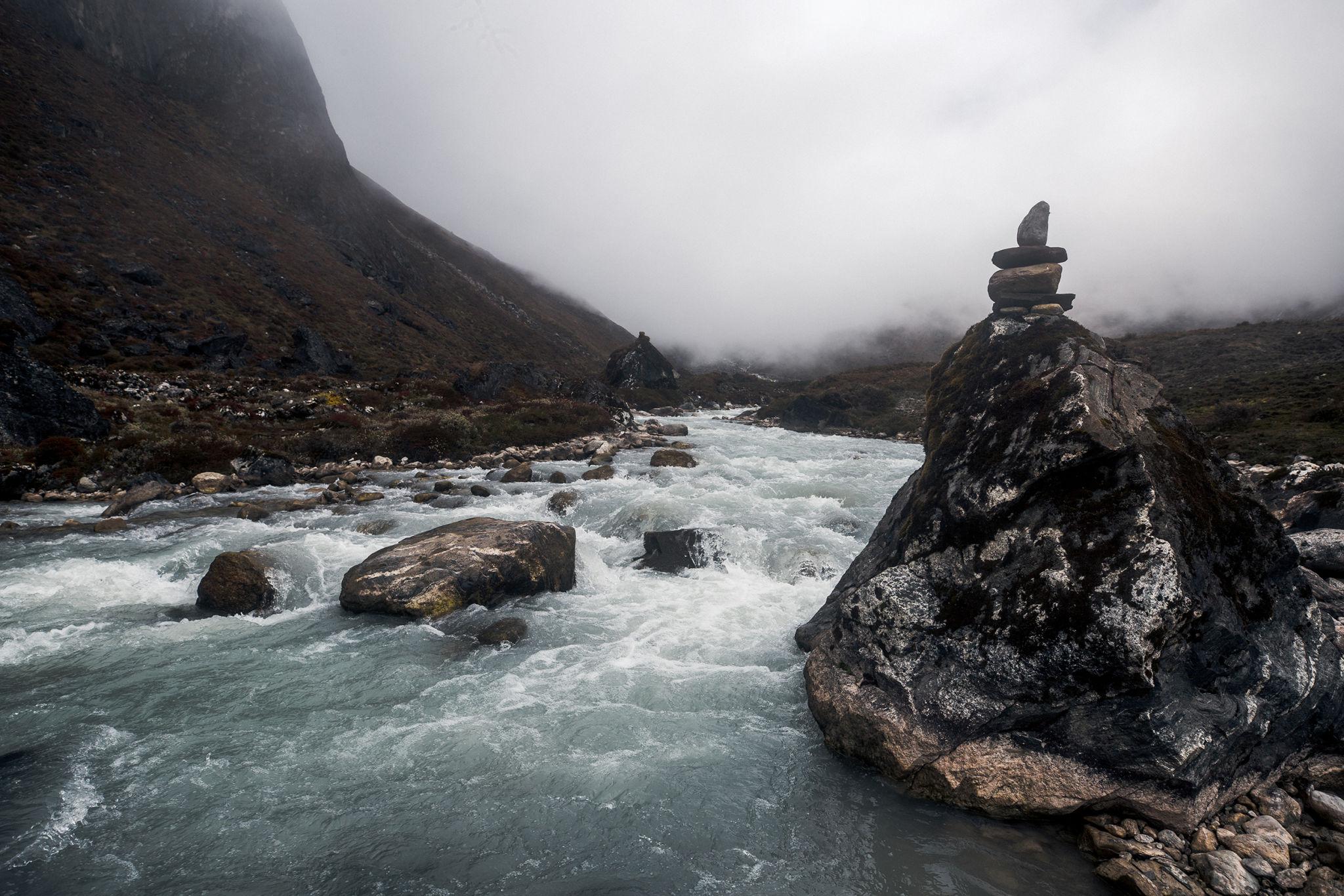
The trail ahead once again passes through the beautiful rhododendron forests that make the Goecha La Trek so visually stunning. During the flowering season, the route becomes especially vibrant as colourful rhododendrons bloom across the mountainsides, adding bright shades of red and pink throughout the landscape. The trek initially involves a gentle descent for nearly two hours. As you gradually move lower, the rhododendron shrubs begin transforming into dense forest sections filled with towering trees and rich Himalayan vegetation. Once inside the forest, the descent becomes comparatively steeper and requires careful footing along the trail. The forests along this section are also home to several Himalayan bird species, making the route especially appealing for birdwatchers and nature photographers. Many of these birds blend naturally into the forest surroundings, often camouflaged among the rocks, branches, and trees. Further along the trail, you will come across the beautiful Kokchurang Spring, a natural water source surrounded by forested landscapes. From here, the trail continues deeper into the mountains towards Phedang and nearby trekking sections. Although camping directly at Kokchurang is usually not permitted, campsites are commonly set up near the river located around 100 metres away. The peaceful sound of flowing water combined with the cool mountain weather creates a memorable camping atmosphere for trekkers spending the night here. From Kokchurang, the route crosses a bridge over the freezing waters of the Prek Chu river. The crystal-clear river flowing beneath the bridge offers a refreshing and scenic stop along the journey. Beyond the bridge, the trail gradually moves towards Thansing, located around 2 km away. Along this section, the landscape changes dramatically from dense forests to open rocky terrain and alpine meadows. Upon reaching Thansing, trekkers are welcomed by a vast open meadow surrounded by towering Himalayan peaks. A trekkers’ hut is visible within the meadow, although most travelers continue staying in tents set up nearby amidst the beautiful mountain scenery.
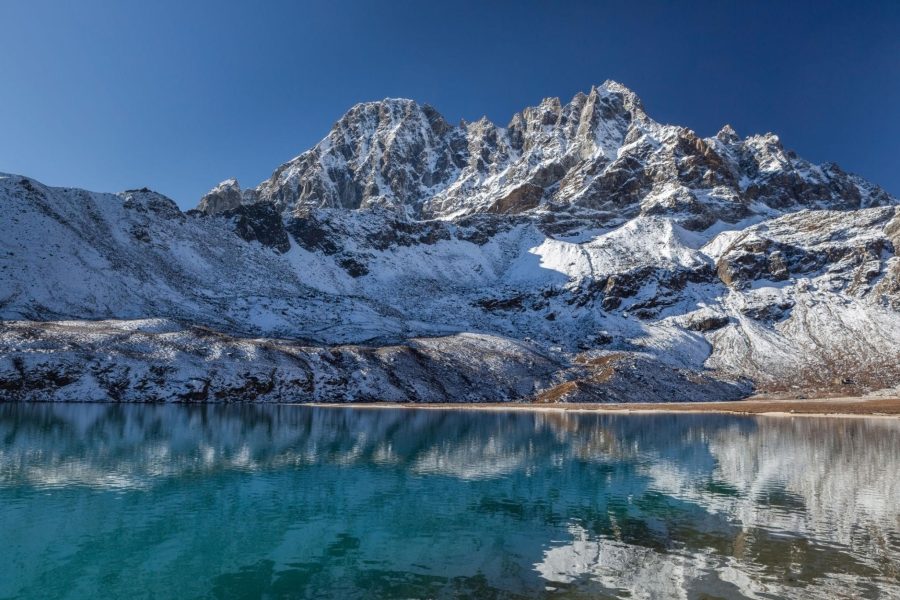
The trek from Thansing to Lamuney is comparatively gentle and peaceful, passing through wide Himalayan meadows and open pasturelands that offer a calm and refreshing atmosphere. Surrounded by expansive landscapes and towering mountain ranges, this section of the Goecha La Trek provides a relaxing change from the steeper forest trails crossed earlier. Upon reaching Lamuney, trekkers usually halt for lunch before exploring the surrounding high-altitude region further. From Lamuney, the trail continues towards the famous Samiti Lake, one of the most beautiful alpine lakes in Sikkim. The climb from Lamuney to Samiti Lake generally takes around one hour. After the ascent, the trail gradually opens into a broad flat valley where the crystal-clear lake comes into view amidst the surrounding Himalayan landscape. Known for its untouched natural beauty, Samiti Lake is famous for its stunning shades of blue and emerald water. The surface of the lake constantly changes with the direction of the mountain winds, creating beautiful reflections and movement across the water. The peaceful atmosphere around the lake makes it one of the most serene and photogenic locations of the entire trek. Trekkers often spend considerable time here enjoying the scenery, relaxing by the lakeside, and capturing photographs of the surrounding landscapes. The region also supports rich Himalayan wildlife and birdlife, with bluebirds and grazing mountain animals occasionally spotted near the lake. Camping near Samiti Lake is generally not permitted in order to preserve its pristine environment. Trekkers therefore return back to the Lamuney campsite for the night. The Lamuney campsite itself is beautifully located amidst open meadows and cool mountain winds, creating a peaceful setting to relax and recover from the journey so far. During the evening, trekkers are usually briefed about the next day’s ascent towards Goecha La, the final and most important stage of the trek, making it essential to rest and properly recharge for the adventure ahead.
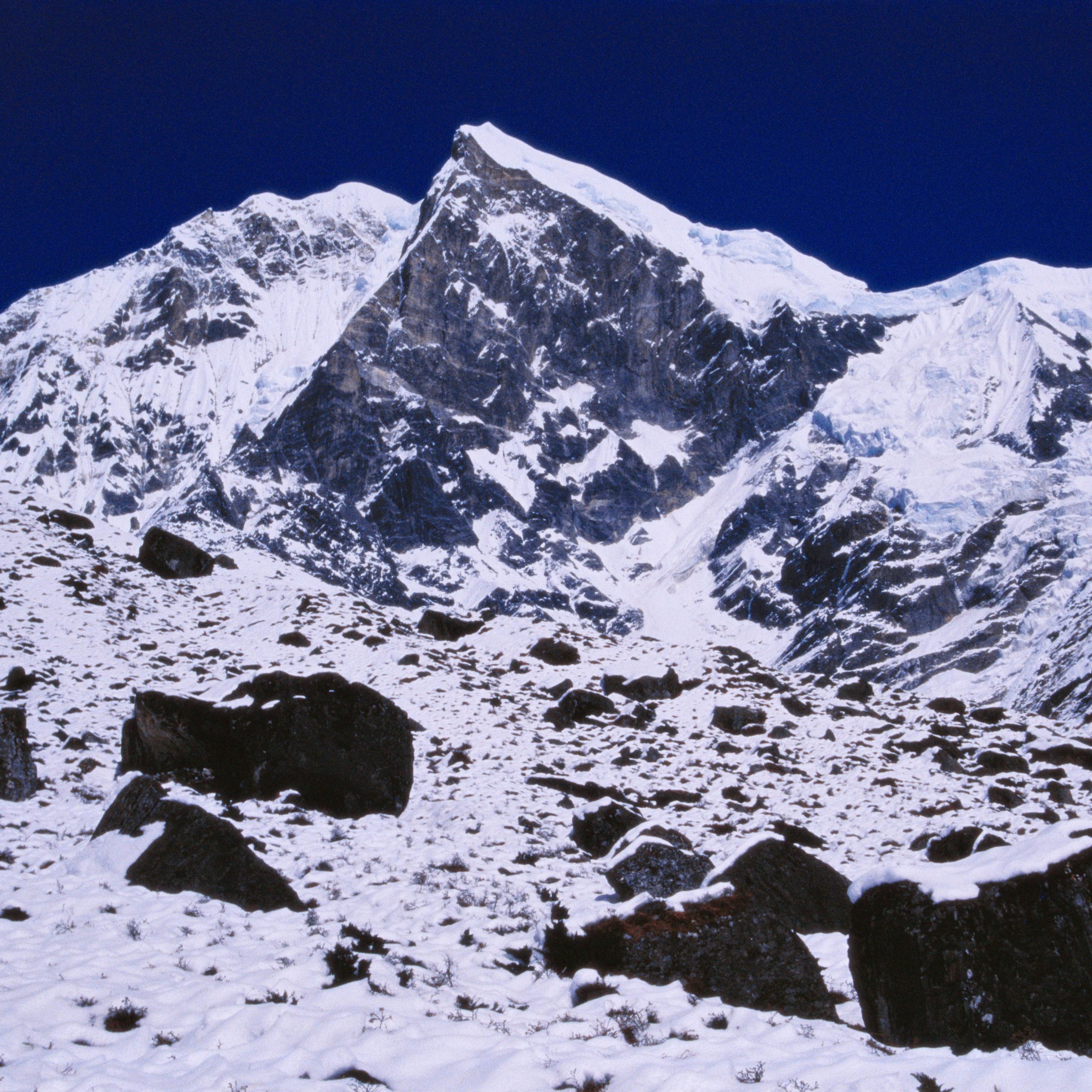
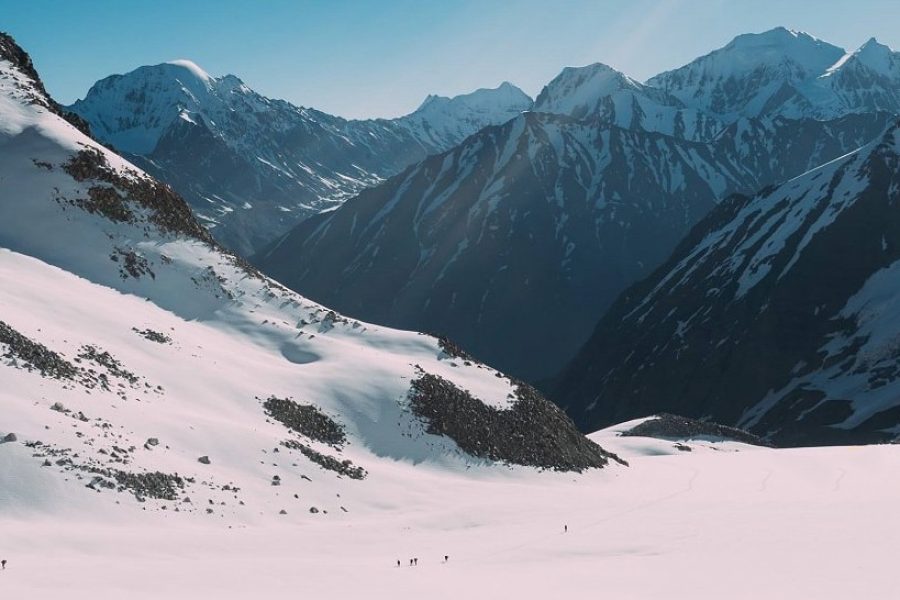
Today marks the most challenging and rewarding day of the Goecha La Trek as you make your way towards the famous Goecha La Viewpoint 1. This is the longest trekking day of the entire expedition, covering a demanding route from Lamuney to the viewpoint and back, which generally takes around 12–13 hours to complete. The journey begins extremely early, usually around 1 AM, allowing trekkers enough time to comfortably reach the viewpoint before sunrise. Starting during the night also gives you the unforgettable opportunity to witness the first rays of sunlight illuminating the Himalayan peaks. The initial section of the trail leads once again towards the breathtaking Samiti Lake. For those visiting the lake for the first time, the experience is especially memorable as the crystal-clear waters reflect the surrounding mountains under the early morning sky. The peaceful lake, glowing under moonlight and dawn colours, creates a surreal atmosphere perfect for photography and quiet reflection. The trek from Lamuney to Samiti Lake generally takes around one hour. From there, the trail becomes steeper as it ascends towards Goecha La Viewpoint 1, located at an elevation of approximately 15100 ft above sea level and roughly 5 km from Lamuney. As you climb higher, the spectacular Himalayan sunrise gradually unfolds across the snow-covered peaks. The contrast between the golden sunlight, dark rocky mountain faces, and fresh snow creates one of the most breathtaking sights of the entire trek. From the viewpoint, trekkers are rewarded with magnificent views of several iconic Himalayan peaks including Kabru South, Kabru North, Kabru Dome, Goecha Jupano, Kanchenjunga, Mount Pandim, Tenzingkhang, and Sinvo. The panoramic scenery from Goecha La Viewpoint 1 is considered one of the finest mountain views in the Indian Himalayas. After spending some time at the viewpoint enjoying the scenery and capturing photographs, the trail descends back towards Lamuney. A warm lunch is served at the campsite before continuing the descent further down to Thansing, where trekkers halt for the night and prepare for the return journey on the following day.
The return journey from Thansing towards Tshoka once again passes through the beautiful rhododendron forests that make the Goecha La Trek so visually unforgettable. During the flowering season, the vibrant rhododendrons brighten the forests with striking shades of red and pink, adding colour and charm to the Himalayan landscape. The total distance covered from Thansing to Tshoka is approximately 16 km. Throughout much of the trail, trekkers continue to witness stunning views of Mount Pandim and the magnificent Kanchenjunga range standing prominently across the skyline. The route gradually leads back towards Phedang, which generally takes around 4–5 hours depending on the group’s pace and weather conditions. Along the way, the trail passes through untouched Himalayan forests filled with unique plant species, dense vegetation, and peaceful mountain surroundings that create a calming and immersive trekking experience. The snow-covered peaks of Mount Pandim continue appearing dramatically between forest clearings and ridgelines, creating breathtaking Himalayan scenery throughout the journey. Along the trail, trekkers usually halt briefly at a temporary resting point to enjoy packed lunch, relax, explore the surroundings, or simply take in the peaceful mountain atmosphere. After resting and regaining energy, the journey continues towards Tshoka. From Phedang, the remaining distance to Tshoka is approximately 6 km. The route continues through dense rhododendron forests and shaded mountain trails, offering a final opportunity to experience the enchanting Himalayan wilderness of Sikkim. Certain sections of the descent can be steep and require careful footing, especially during wet or snowy conditions. Trekkers are advised to descend steadily and avoid long breaks in order to comfortably reach Tshoka before nightfall. Upon arrival at Tshoka, dinner is served followed by an overnight stay, allowing trekkers to rest and recover after another long yet incredibly scenic day in the Himalayas.
The trek from Tshoka back to Yuksom generally takes around 6 hours to complete and covers an approximate distance of 15 km. After days spent amidst the high Himalayas, the final descent begins with a refreshed and energized group ready to complete the journey back to civilization. Packed lunch is usually carried for the day to minimize long breaks along the trail and maintain a steady pace throughout the descent. The route largely retraces the same paths crossed earlier during the ascent, making the descent comparatively faster and more comfortable. Throughout the journey, the magnificent Himalayan ranges continue accompanying trekkers in the background, offering one final glimpse of the snow-covered mountains that defined the trek. Beyond Sachen, the terrain becomes more uneven with a series of ups, downs, and zig-zag mountain trails before gradually approaching lower altitudes. The route once again passes through Bakhim before continuing towards the final stretches near Yuksom. A few short uphill sections remain towards the end of the trail, serving as the final challenge before the trek officially concludes. As you finally descend into the peaceful settlement of Yuksom, the feeling of returning from the Himalayas becomes truly rewarding. Mobile network connectivity gradually returns here, allowing trekkers to reconnect with family and friends and share the successful completion of the trek. Upon arrival, trekkers can settle into the guesthouse, freshen up, relax, and recover after the long Himalayan journey. For those wishing to spend more time in Sikkim, Yuksom offers a wonderful opportunity to explore local culture, traditional food, monasteries, and handicraft markets. Visitors can also explore nearby monasteries to experience the spiritual atmosphere of the region and shop for local souvenirs and handmade crafts that serve as lasting reminders of the journey through the Himalayas. The Goecha La Trek is far more than just a mountain expedition. Beyond the breathtaking landscapes, alpine lakes, forests, campsites, and towering Himalayan peaks, the trek leaves travelers with unforgettable memories, meaningful experiences, and a deeper connection with nature and the mountains.
This marks the final day of the Goecha La Trek as you prepare to leave Sikkim and begin your return journey to New Jalpaiguri Railway Station. The day usually starts early with the peaceful sunrise views of Yuksom, followed by breakfast and departure around 8 AM. The drive to New Jalpaiguri generally takes around 8–9 hours, although travel time may vary depending on weather, road conditions, and occasional landslide-prone stretches common in the Himalayan region. The scenic drive back offers beautiful views of the Himalayas, river valleys, rural villages, and mountain roads, making the journey equally enjoyable. A short halt is usually taken at Jorethang for lunch, where travelers can enjoy Indian, Chinese, continental, and local Sikkimese cuisine. Since delays are possible during mountain travel, it is advisable to book onward train or flight tickets with sufficient buffer time. Many travelers also prefer staying an extra night near Jalpaiguri before continuing their journey. If time permits, you can also explore parts of Jalpaiguri, including popular shopping areas such as Hong Kong Market and Bidhan Market, both known for local food, shopping, and lively street markets. As the journey concludes, the memories of alpine lakes, rhododendron forests, snow-covered Himalayan peaks, campsites, and the unforgettable sunrise views over Kanchenjunga remain with you long after the trek comes to an end.
The best time to experience the Goecha La Trek is during the autumn months of September and October. After the monsoon season, the valleys feel fresh and vibrant, while the cool mountain breeze and mist-covered landscapes create a peaceful Himalayan atmosphere. The clear skies during this season also offer some of the finest panoramic views of the surrounding snow-covered peaks. Another excellent time to undertake the trek is during April and May, when spring transforms the forests into a colourful spectacle. During these months, rhododendrons bloom across the trail in vibrant shades of red and pink, covering large sections of the mountainsides like a natural carpet of flowers. Spring also brings comparatively milder weather conditions, making the trekking experience more comfortable, especially during the nights at higher campsites. Combined with blooming forests, scenic mountain views, and pleasant temperatures, both spring and autumn are considered the ideal seasons for the Goecha La Trek.
The Goechala trek is considered to be a fairly difficult trek, which means that it is not advisable for a beginner to try this trek blind-sided; this trek requires a rigorous amount of training and mental strength. Physical strength here is a bigger issue since these slopes and ridges you climb here won't be as easy as the treks marked easy. It is not a joke, trekking is a serious business and people often get injured or worse. Therefore, only if you are ready to train 5 months prior to the trek should you think of choosing it.
Since the Goechala Trek is a moderate to difficult trek, therefore it can surely not be your first trek. And the level of fitness required is a little more than the basic fitness for easy treks. The slopes are steeper and the stamina required is also more than the stamina required on an easy trek. The ground time i.e. the time you are on your foot is also more. The number of breaks is also less. The trekkers who choose the Goecha La trek are mostly experienced or have done similar treks like this. You need to form a rigorous fitness routine and make sure that you maintain it as well. But only having a fit body won't help. When you perform treks experience also counts, therefore try out other easier treks if you haven't stepped into the trekking arena as a sport.
The Goechala trek can not be done in winters, it is extremely dangerous and near impossible to do this trek in winters when the whole area is covered in snow and frequent blizzards which will put your life at risk, however, if you still want to feel like trekking in the snow then the time from April to May is ideal when the snow is freshly melted and even though you will see a lot of suns and spring-blooming it's way in, there will definitely be snow on your trail, most of the snow is already melted so what you find is few of the last remains from the departure of the winter season.
The Goechala trek is of 11 days, do you need to pack your clothes accordingly. Other than that, basic survival kit would include, a first aid kit, flashlights, head torch, extra layers, 2 to 3 pairs of socks, water bottle, toiletries, slippers. When we talk about food, have protein bars, chocolates, toffies, dry fruits, and nuts. These will give you instant energy and this is something to eat whenever you feel hungry. Proper meals only take place when you reach a place inhabited by people, which will have dhabas and cafes and restaurants to provide you with proper meals, but on the way, these little things will come in handy.
For the Goechala trek, you can either get your own gear by buying basic things like a raincoat or poncho for protection against the rain or just simply rent it out. As a company, we can provide a poncho and trekking poles on rent. For other basic gears, like day bags, gators, etc, you can rent it from your home city or the base city of the trek. But the important things like shoes and rucksacks should be bought because they are two factors that can make or break your treks.
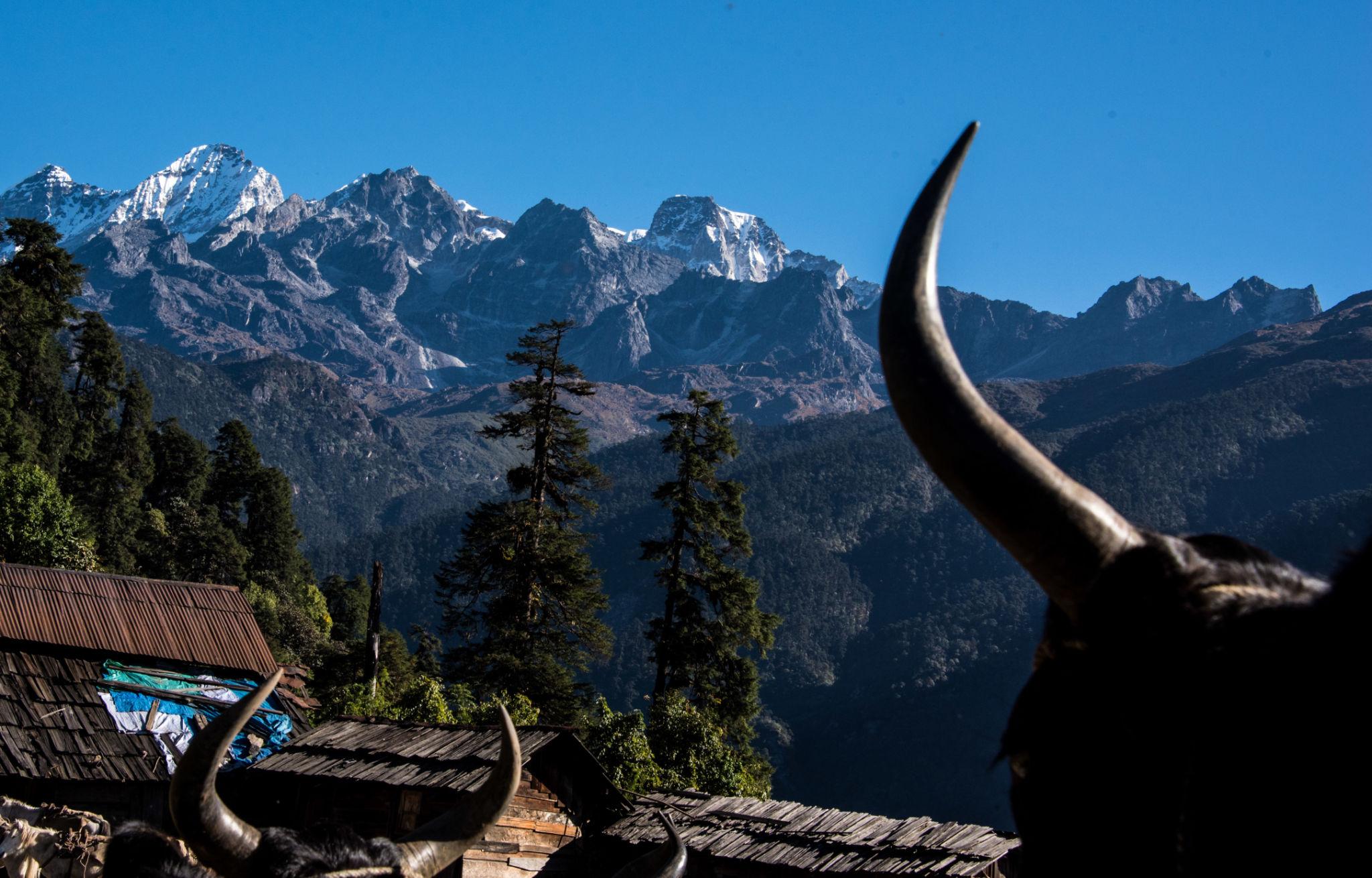
On the Goechala Trek, you will be accompanied by various people other than your group mates who have come from different places for this trek. Usually, you will have a guide who is aware of the whole route and with whom you will never get lost even during the night. There will be a cook who will ensure your stomach is well fed at all times. There will be porters and yaks or horses which will accompany you; they often carry bulky luggage like tents, utensils, etc. The animals depend on the region you are trekking.
The Goechala Trek definitely has toilet facilities, if you are living in the guest huts then there is a possibility of a proper bathroom facility, but if we camp out in the open the temporary tents are set up which act as toilets. A hole is dug in the earth for you to do your business; once you are done, make sure to cover it up with more mud. Cleanliness and hygiene are definitely maintained and it is totally safe to use temporary toilets.
Other than the local villages that come in the way of your trek, the best places to visit nearby are Jalpaiguri in West Bengal and of course the capital city of Sikkim, Gangtok. These are very much developed cities and will give you a chance to get to know the urban population of the place. You can most definitely visit the best markets of Gangtok, where you will find a variety of handicrafts that you can take with you as a souvenir or gift for someone.

Member Since 2026